


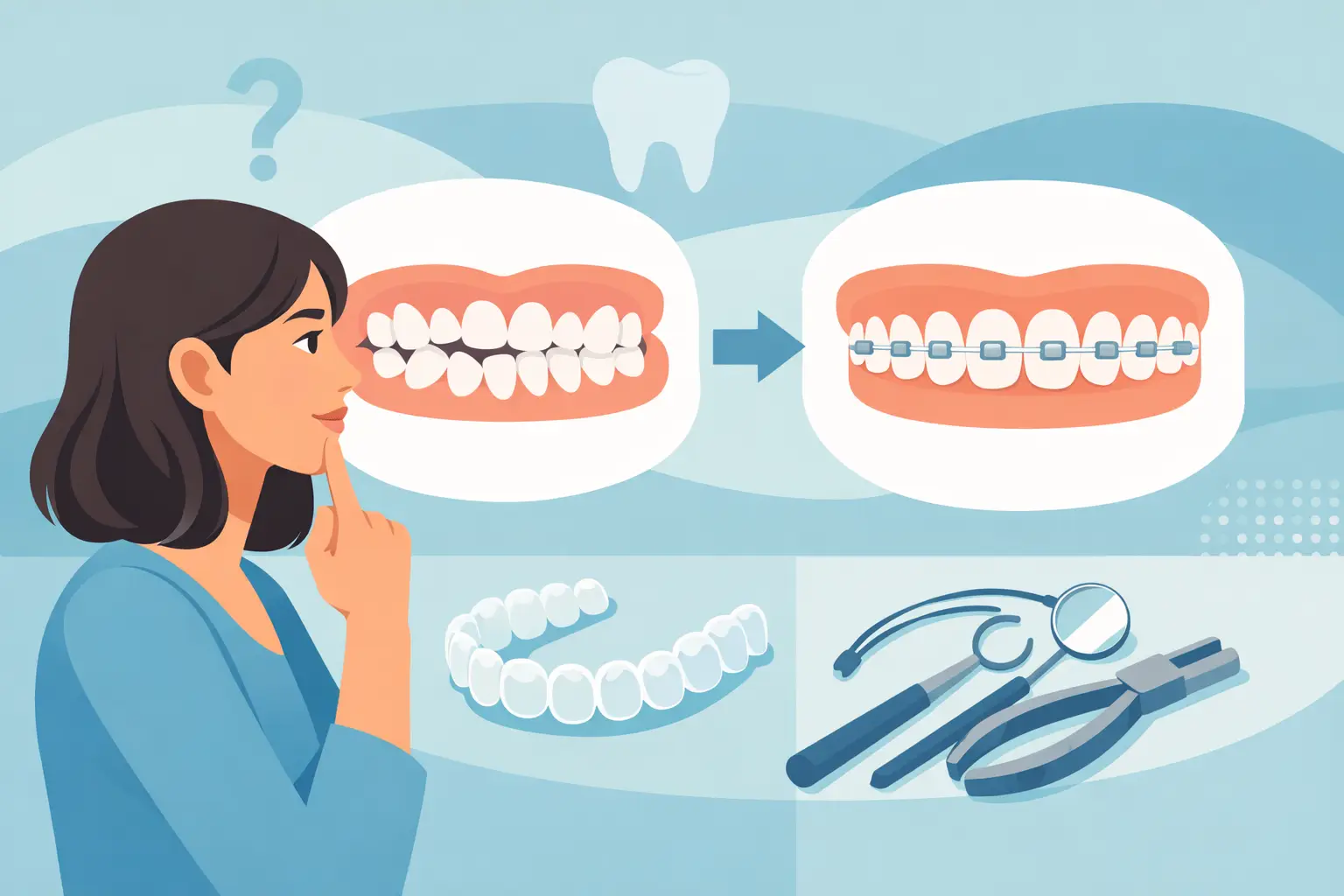
Can Adults Still Straighten Teeth? What to Know
A crowded lower front tooth, a bite that has changed over time, or a smile you have hidden in photos for years can make you wonder: can adults still straighten teeth? In many cases, yes. Adult orthodontic treatment can improve tooth alignment and bite function at virtually any age, provided the teeth, gums, and supporting bone are healthy enough for movement.
The real question is not whether you are too old for orthodontics. It is which treatment approach fits your smile, oral health needs, schedule, and budget. A personalized exam helps answer that question without guesswork.
Can Adults Still Straighten Teeth Safely?
Teeth do not stop responding to orthodontic pressure after the teenage years. Braces and clear aligners work by applying controlled, gentle force that encourages teeth to move gradually through the bone. This biological process can still occur in adults.
What can be different for adults is the starting point. Many adult patients have older fillings, crowns, missing teeth, gum recession, wear from grinding, or a history of dental treatment. Those issues do not automatically prevent orthodontic care. They simply need to be included in the treatment plan.
Healthy gums are especially important. Gum disease can weaken the bone and tissues that support the teeth, so it should be treated and stabilized before teeth are moved. If a patient has active decay, an infection, or a tooth that cannot be saved, those concerns are typically addressed first. Straightening teeth is most successful when it is part of an overall plan for a healthy mouth.
For adults who have put off care because they feel embarrassed about their teeth or anxious about dental visits, a consultation is a practical first step. You can learn what is happening in your mouth, what needs attention now, and what can be planned over time.
Why Adults Choose Orthodontic Treatment
A straighter smile can certainly improve confidence, but cosmetic concerns are only part of the picture. Crooked, rotated, or overlapping teeth can be harder to brush and floss thoroughly. That can leave plaque in places that are difficult to reach and increase the risk of cavities or gum inflammation.
Bite concerns can matter, too. When teeth do not meet properly, some teeth may take on more pressure than others. Over time, uneven forces can contribute to chipping, excessive wear, jaw discomfort, or difficulty chewing. Orthodontics may help improve how the teeth fit together, although treatment is not a cure-all for every jaw or TMJ concern.
Adults also seek orthodontic treatment before other dental work. Moving teeth into better positions can create room for an implant, make space for a crown, improve the appearance of gumlines, or help a dentist plan a more balanced smile makeover. When orthodontic and restorative care are coordinated, the result can be more conservative and longer lasting than trying to cover every issue with cosmetic treatment alone.
Adult Teeth-Straightening Options
The best option depends on the complexity of the case, the health of your teeth and gums, and how much daily responsibility you want in treatment.
Clear Aligners
Clear aligners are removable, custom-made trays designed to move teeth in stages. They are popular with adults because they are discreet and can be removed for meals, brushing, flossing, and special occasions.
They do require consistency. Most aligner systems need to be worn about 20 to 22 hours each day to keep treatment moving as planned. Patients who frequently forget to wear them, leave them out for long meals, or misplace trays may not get the expected results. Clear aligners can treat many mild to complex concerns, but they are not the ideal choice for every bite or tooth movement.
Traditional Braces
Modern braces are smaller and more comfortable than many people remember. They can provide precise control for more complex crowding, significant rotations, bite problems, and movements that may be difficult with removable aligners.
Because braces stay on the teeth, they do not rely on remembering to put trays back in. On the other hand, they require extra attention when brushing and flossing, and some foods may need to be avoided to protect the brackets and wires. For the right patient, braces can be the most predictable path to a healthy, well-aligned bite.
Limited Orthodontic Treatment
Some patients only want to improve the appearance of a few visible front teeth. Limited treatment can sometimes be appropriate for minor spacing or crowding. However, moving only the front teeth without evaluating the bite can create problems in certain cases.
A careful assessment matters. What looks like a small cosmetic concern may be connected to a deeper bite issue, missing tooth space, gum condition, or tooth wear. A responsible plan considers the whole smile, not just what shows in a selfie.
What Happens Before Treatment Starts?
An orthodontic consultation typically includes an examination of your teeth, gums, bite, and jaw function. Digital images, X-rays, or scans may be recommended to see root positions, bone levels, and areas that are not visible during a routine exam.
Your dentist will also review existing dental work. Crowns, bridges, implants, and veneers can affect how treatment is planned. Natural teeth can be moved orthodontically, while an implant is fixed in the bone and cannot be moved like a tooth. That does not mean implants rule out orthodontics. It means tooth movement may need to happen around the implant, or the implant may be placed after orthodontic treatment.
If gum treatment, fillings, wisdom tooth evaluation, or restorative care is needed first, your plan may be staged. Taking care of these foundations can protect your investment in a straighter smile.
How Long Does It Take to Straighten Adult Teeth?
Treatment time varies widely. Minor alignment concerns may take several months, while more involved crowding or bite correction often takes 12 to 24 months or longer. The exact timeline depends on the movements needed, the type of appliance used, your oral health, and how closely instructions are followed.
For clear aligner patients, wearing trays as directed and changing them on schedule is essential. For braces patients, attending adjustment visits and avoiding foods that damage brackets helps prevent delays. Missed appointments, broken appliances, and untreated dental problems can extend treatment time.
The goal should not be the fastest possible treatment. It should be a stable result that supports your bite, dental health, and appearance.
Retainers Protect the Results You Worked For
Teeth naturally tend to shift throughout life, even after orthodontic treatment. That is why retainers are not optional after braces or clear aligners. They help hold teeth in their new positions while the surrounding tissues adapt.
Some patients wear retainers full-time at first and then transition to nighttime wear, while others may benefit from a long-term retention plan based on their individual case. A retainer that no longer fits should be checked promptly rather than forced into place. Small changes are usually easier to address than major relapse.
Is Adult Orthodontic Care Worth It?
For many people, it is. The value is not limited to a more polished smile. Better alignment may make home care easier, support restorative treatment, reduce uneven wear, and help you feel more comfortable speaking and smiling.
Still, orthodontics is a commitment. It requires appointments, daily care, and retention after active treatment ends. Cost can also be a deciding factor, especially when treatment is combined with other dental needs. Ask for a clear explanation of recommended care, expected treatment length, available payment options, and any work that should be completed before orthodontics begins.
At Star Dental Group, patients can discuss orthodontic goals alongside general, restorative, cosmetic, and implant needs in one setting. That coordinated approach can be especially helpful when a straighter smile is only one part of improving your oral health.
Age does not have to be the reason you keep postponing the smile you want. A thoughtful evaluation can show whether your teeth and gums are ready for treatment and give you a realistic path forward that fits your life.

