


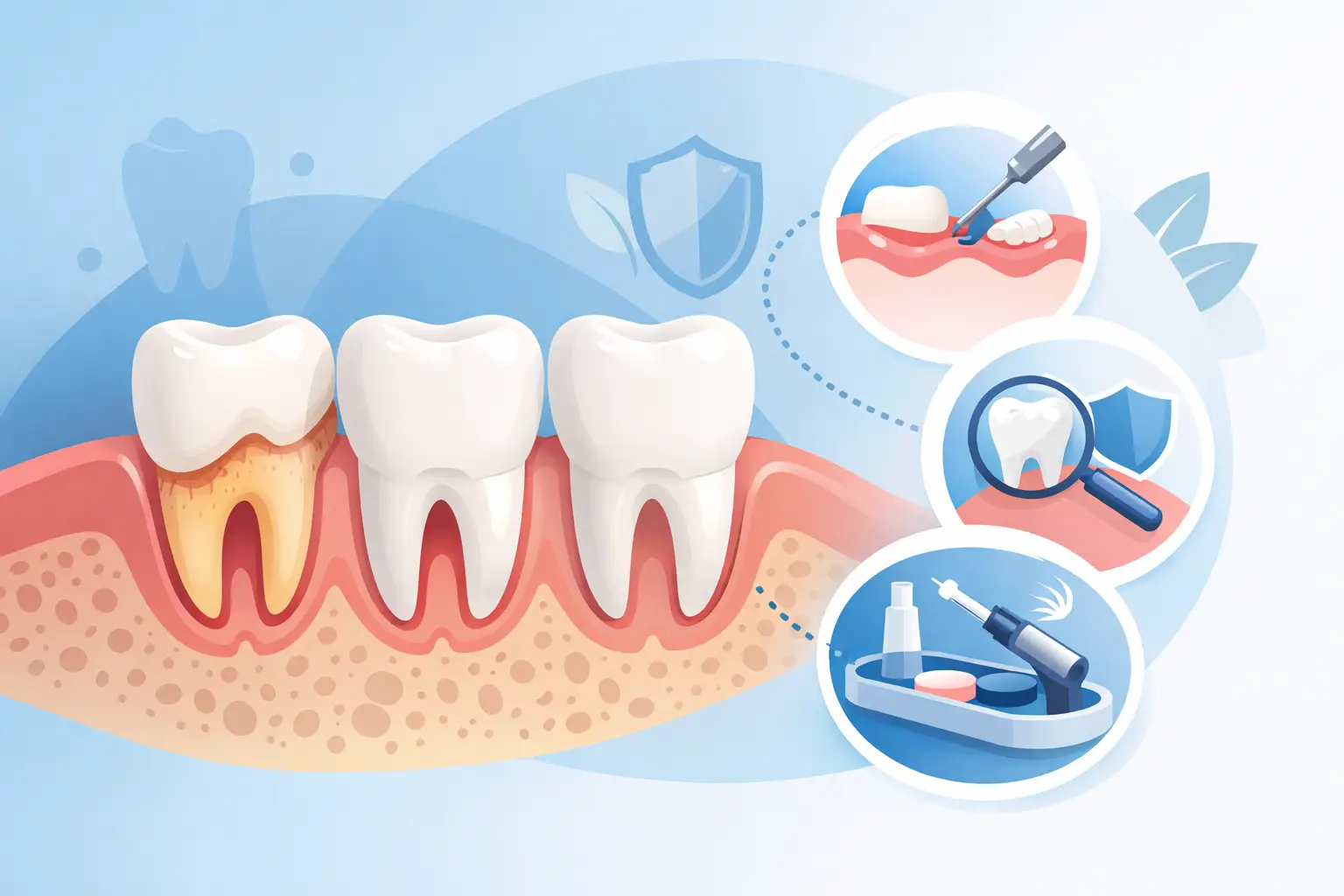
Can Gum Recession Be Treated? Your Options
A tooth can look longer than it used to for a reason: the gum tissue around it has moved away. If you are asking, can gum recession be treated, the encouraging answer is yes. While gum tissue does not usually grow back on its own, modern dental care can address the cause, protect exposed roots, reduce sensitivity, and in some cases restore the gumline with grafting procedures.
Gum recession is common, but it is not something to ignore as a cosmetic concern alone. Receding gums can make brushing uncomfortable, expose the softer root surface of a tooth, and raise the risk of cavities and further periodontal damage. The right treatment depends on why it happened, how much tissue has receded, and whether there is active gum disease or bone loss underneath.
Can gum recession be treated without surgery?
Early or mild recession can often be managed without surgery. The first priority is stopping the process that is causing the gums to pull back. For some patients, that means treating inflammation from plaque buildup. For others, it means changing a brushing habit, correcting a bite issue, or managing nighttime grinding.
A professional exam is the best place to start. Your dental team will measure the gum pockets around each tooth, check for bleeding and infection, evaluate the condition of the bone, and look at how your teeth come together. Recession can affect one tooth or several areas of the mouth, and the pattern often provides useful clues about its cause.
If gum disease is present, a deep cleaning may be recommended to remove hardened buildup below the gumline. This treatment, often called scaling and root planing, helps reduce infection and gives the gums a healthier environment to heal. It cannot replace gum tissue that has already been lost, but it can prevent the recession from progressing.
For sensitivity caused by exposed roots, your dentist may recommend a prescription-strength fluoride treatment, a desensitizing product, or bonding material placed over the exposed root surface. These options can make eating and brushing more comfortable while protecting the tooth from decay.
What causes gums to recede?
Recession is not always caused by poor brushing or skipped dental visits. Some people are naturally more prone to it because they have thin gum tissue or teeth positioned close to the outer edge of the jawbone. Still, several factors can contribute to or accelerate the problem:
- Gum disease, which damages the tissue and bone that support the teeth
- Brushing too hard, using a hard-bristled brush, or using an aggressive side-to-side motion
- Plaque and tartar buildup from inconsistent home care or professional cleanings
- Teeth grinding or clenching, especially during sleep
- Crowded, crooked, or improperly aligned teeth that place stress on certain areas
- Tobacco use, which can interfere with gum health and healing
- Hormonal changes, genetics, oral piercings, or previous orthodontic movement in some cases
The cause matters because treatment should do more than cover a visible root. If grinding is contributing to recession, a custom night guard may be part of the plan. If teeth are misaligned, orthodontic care may help improve their position and make cleaning easier. When gum disease is the issue, controlling the infection comes before considering cosmetic root coverage.
A gentle brushing technique makes a difference
Many well-intentioned patients cause more wear by trying to brush harder. A soft-bristled toothbrush, light pressure, and small circular motions are generally safer for the gumline than scrubbing back and forth. An electric toothbrush with a pressure sensor can be helpful for people who tend to press too firmly.
Good home care should also include daily cleaning between the teeth. Floss, interdental brushes, or another dentist-recommended tool can remove plaque where a toothbrush cannot reach. The goal is not to irritate the gums aggressively. It is to keep bacterial buildup under control every day.
When is gum grafting recommended?
When recession is more advanced, a gum graft may be the most predictable option for covering exposed roots and strengthening thin gum tissue. This procedure is typically performed by a periodontist or a dentist with advanced surgical training. It may be recommended when there is significant sensitivity, a high risk of root decay, continued recession, or a cosmetic concern in the smile zone.
During a graft, tissue may be taken from another area of the mouth or obtained from a donor source, then carefully placed over the recessed area. As the area heals, the graft integrates with the surrounding tissue. The goal may be complete root coverage, partial coverage, or simply creating a thicker, more stable band of gum tissue. Expectations should be based on the specific tooth, the amount of bone support, and the type of recession present.
Grafting has trade-offs. It involves a healing period, careful post-treatment instructions, and a higher initial cost than nonsurgical care. However, for the right patient, it can provide long-term protection and improve the appearance of an uneven gumline. A consultation helps determine whether the expected benefit justifies the procedure.
Can cosmetic dentistry help receding gums?
Cosmetic dentistry can sometimes improve the appearance of recession, but it should never hide an untreated health problem. Tooth-colored bonding may mask a small exposed root area or correct a notch near the gumline. Veneers or crowns may be considered in select situations, particularly when teeth also have significant wear, damage, or discoloration.
These treatments are not substitutes for healthy gums. Placing a restoration without controlling gum disease, heavy brushing, or grinding can lead to continuing problems around the tooth. A full-mouth approach is valuable because it considers the gums, teeth, bite, and smile together rather than treating one visible area in isolation.
How quickly should you see a dentist?
Schedule an evaluation if you notice teeth looking longer, new sensitivity to cold or sweets, bleeding gums, tenderness, loose teeth, or a change in the way your bite feels. Recession can progress slowly, so it is easy to overlook until the root is visibly exposed. The earlier the cause is identified, the more conservative your treatment options may be.
You should also seek care promptly if recession appears suddenly, is accompanied by swelling or pus, or occurs alongside tooth mobility. Those signs may point to active periodontal infection or another issue that requires timely attention.
For patients who have delayed care because of anxiety, cost, or uncertainty about what they need, the first appointment does not have to feel overwhelming. A clear exam and treatment conversation can separate what is urgent from what can be planned over time. At Star Dental Group, patients in Rancho Cucamonga can receive comprehensive evaluation and coordinated care in one practice, with treatment recommendations tailored to their oral health goals and budget.
Protecting your gumline after treatment
Whether treatment involves a professional cleaning, a night guard, gum grafting, or simple changes to your home routine, maintenance is what protects the result. Keep regular periodontal cleanings as recommended, brush gently with a soft brush, clean between your teeth daily, and wear any prescribed appliance consistently. If you use tobacco, reducing or stopping use can also meaningfully support gum healing and long-term oral health.
Gum recession is not always reversible, but it is very often manageable. A healthy, comfortable smile starts with finding the cause instead of simply living with sensitivity or hoping the gumline will return on its own.

