


Benefits of Full Mouth Treatment for Your Smile
When several dental concerns affect your daily life at once, fixing one tooth at a time may not be enough. The benefits of full mouth treatment come from looking at your smile as a complete system – how your teeth bite together, how your gums support them, and how comfortably you can eat, speak, and smile.
For some people, that means replacing missing teeth with implants, restoring worn or damaged teeth, treating gum disease, and improving the appearance of the smile through a coordinated plan. For others, it may involve only a few carefully chosen procedures. The right approach depends on your health, goals, timeline, and budget.
What Is Full Mouth Treatment?
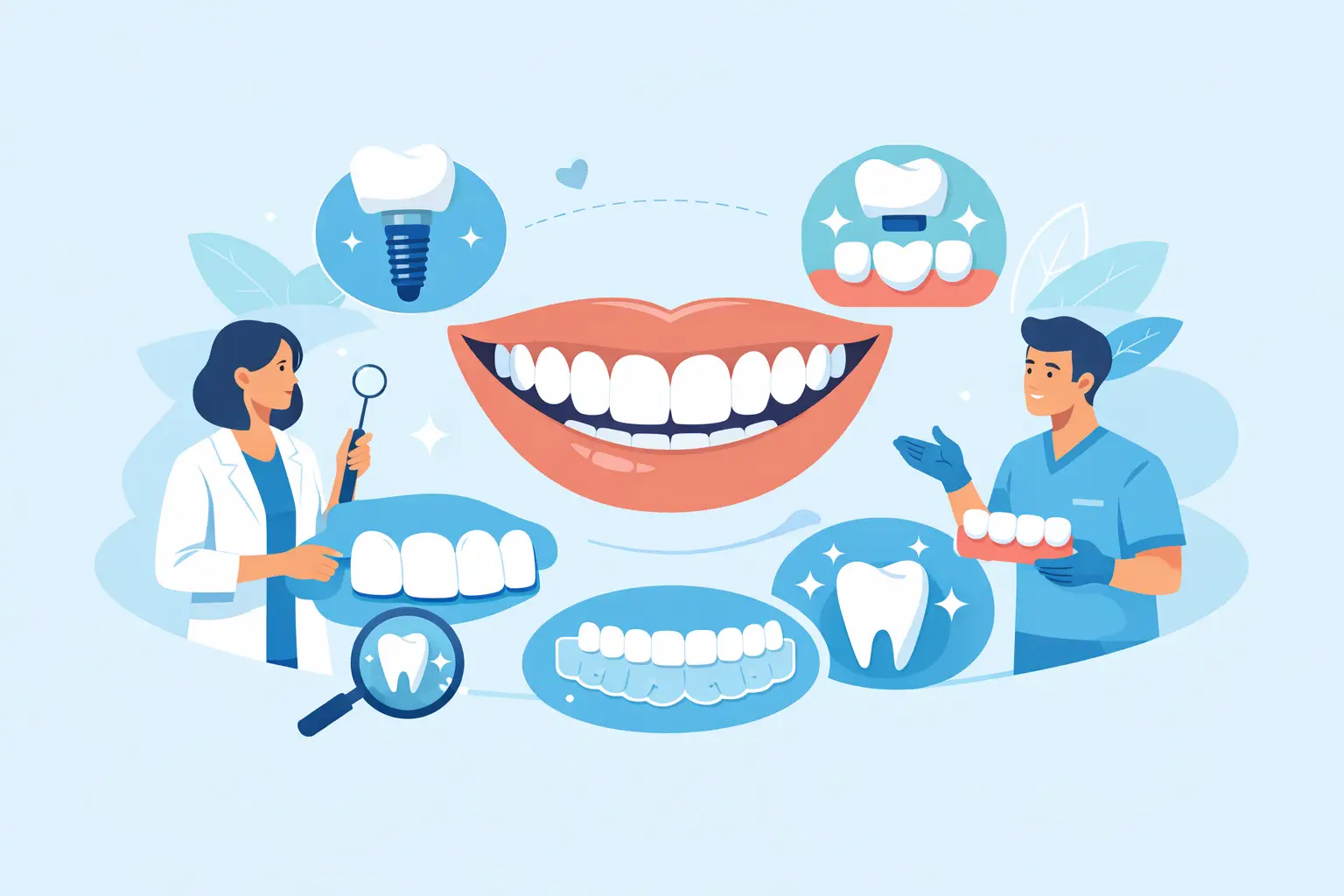
Full mouth treatment, sometimes called full mouth rehabilitation or reconstruction, is a personalized plan that addresses multiple dental needs together rather than treating them in isolation. It can combine general, restorative, cosmetic, periodontal, orthodontic, and implant care when needed.
A full mouth plan is not automatically the most extensive or expensive treatment option. It is a way of evaluating the entire mouth before deciding what should be addressed first and what can wait. A dentist may examine your teeth, gums, bite, jaw function, existing dental work, bone support, and smile goals to create a clear path forward.
This broad view matters when problems are connected. A missing back tooth can change how you chew. Teeth that shift into the open space can affect your bite. Grinding may wear down remaining teeth, while untreated gum disease can weaken the support around them. Treating only the most noticeable concern may provide temporary relief without correcting the cause.
Key Benefits of Full Mouth Treatment
A plan built around the whole picture
One of the strongest benefits of full mouth treatment is coordination. Instead of visiting separate offices and trying to connect recommendations on your own, a comprehensive dental team can organize care in the proper sequence.
For example, gum health may need attention before crowns, veneers, or implants are placed. Orthodontic treatment may create better spacing before a replacement tooth is planned. Addressing these details in the right order can help protect your investment and support a more predictable result.
A complete plan also helps patients understand what is urgent, what is elective, and what can be phased over time. That clarity can make a large dental decision feel more manageable.
Better comfort when eating and speaking
Damaged, missing, loose, or severely worn teeth can make ordinary meals stressful. Some patients avoid crunchy foods, steak, fresh fruit, or anything that requires chewing on a certain side. Others experience sensitivity, jaw fatigue, or soreness after eating.
Restorative options such as crowns, bridges, dentures, and dental implants may improve chewing function when they are appropriate for your needs. Rebuilding proper tooth structure and bite support can also make speech feel more natural for patients whose missing teeth have affected pronunciation.
Results vary based on the condition of the teeth, gums, bone, and jaw. Still, restoring function is often the practical benefit patients notice first: being able to eat with less worry and participate more fully in daily life.
A healthier foundation for the future
Full mouth care can address dental disease before it becomes more difficult and costly to manage. Decay, cracked teeth, gum inflammation, infection, and tooth loss do not always cause severe pain at first. Without treatment, however, they can progress and limit future options.
When gum disease is present, improving periodontal health is usually a priority. Healthy gums and adequate bone support are essential for keeping natural teeth and for planning implants or other restorations. Replacing missing teeth may also help reduce unwanted shifting and changes in the bite.
The goal is not simply to create a better-looking smile. It is to establish a stable, healthy foundation that supports long-term oral health. Good home care and regular dental visits remain essential after treatment, especially for patients with a history of gum disease or heavy grinding.
A more balanced bite and less strain
Your bite is the way your upper and lower teeth meet. When teeth are unevenly worn, broken, missing, or out of position, certain teeth may carry more force than they were designed to handle. This can contribute to chips, sensitivity, recurring damage to dental work, or jaw discomfort.
A full mouth evaluation can identify bite concerns and determine whether rebuilding worn teeth, replacing missing teeth, orthodontic care, or a protective night guard may help. Not every case of jaw pain is caused by the bite, and no dentist should promise a single treatment will solve every TMJ-related concern. But a balanced bite can reduce unnecessary strain in many cases.
More confidence in your appearance
People often become accustomed to hiding their teeth in photos, covering their mouth when they laugh, or avoiding close conversations. Stains, gaps, worn edges, old restorations, and missing teeth can affect how a person feels long before they decide to seek care.
Cosmetic improvements can be incorporated into a full mouth plan once health and function are addressed. Depending on the case, options may include whitening, veneers, tooth-colored bonding, crowns, implants, or orthodontics. Planning these treatments together helps create a more natural look in color, shape, and proportion.
The best cosmetic outcome should still look like you. A healthy smile does not need to be overly white, overly uniform, or disconnected from your facial features. Thoughtful planning gives patients the opportunity to choose a result that feels polished and personal.
Full Mouth Treatment Can Be Phased for Your Budget
Cost is a real concern, particularly for patients who have postponed dental care for years. A complete diagnosis does not mean every procedure must be completed immediately. In many cases, treatment can be phased based on clinical priority, available time, and financial comfort.
The first phase may focus on infection, pain, broken teeth, or gum disease. The next phase may restore chewing function with fillings, crowns, bridges, dentures, or implants. Cosmetic refinements can sometimes follow later. This approach allows patients to make progress without feeling pressured to do everything at once.
It is also worth asking about available consultation opportunities, insurance guidance, and discount options for uninsured patients or seniors. Affordable care is not about cutting corners. It is about creating a plan that is realistic enough to complete and maintain.
Who May Be a Candidate for Full Mouth Care?
You may benefit from a comprehensive consultation if you have several missing teeth, widespread wear from grinding, multiple failing crowns or fillings, advanced decay, gum problems, difficulty chewing, or a smile you no longer feel comfortable showing. Patients who have received piecemeal treatment over many years may also benefit from understanding how each part of their smile now works together.
A thorough consultation should include a conversation about your medical history, dental anxiety, expectations, and practical concerns. If you are nervous about dentistry, say so early. A caring team can explain procedures clearly, discuss comfort options, and help you move at a pace that feels manageable.
At Star Dental Group, patients can receive comprehensive planning across general, cosmetic, implant, and orthodontic needs in one convenient setting. Having multiple specialties available can reduce the stress of coordinating referrals while keeping your treatment focused on one shared goal.
Questions to Ask Before Starting
Before committing to a full mouth treatment plan, ask why each recommended procedure is needed, what alternatives exist, and what may happen if you delay it. You should also understand the expected timeline, maintenance needs, healing periods, and estimated costs for each phase.
Ask which outcomes are functional necessities and which are cosmetic preferences. This distinction helps you make informed choices without losing sight of what matters most to you. A good plan should be detailed enough to build confidence but flexible enough to adapt if your needs change.
Full mouth treatment is not about pursuing a perfect smile at any cost. It is about restoring a smile that feels comfortable, healthy, functional, and genuinely yours. A personalized consultation can turn years of uncertainty into a practical next step.

