


Clear Aligners for Adults: What to Expect
A lot of adults put off straightening their teeth for the same reason – life is already busy enough without adding metal braces to work meetings, family photos, and everyday routines. That is exactly why clear aligners for adults have become such a popular option. They offer a more discreet way to improve your smile, and for many people, they also fit better with a professional schedule and a more image-conscious stage of life.
Still, clear aligners are not a one-size-fits-all solution. They can be a great choice, but the best results depend on your bite, your goals, and how consistent you are with treatment. If you have been wondering whether aligners are worth it as an adult, it helps to know what they can do well, where they have limits, and what the process actually looks like.
Why clear aligners for adults appeal to so many patients
Adults usually come in with a different mindset than teens. They are not just looking for straighter teeth. They want treatment that feels practical, manageable, and worth the investment. Appearance matters, but so do convenience and comfort.
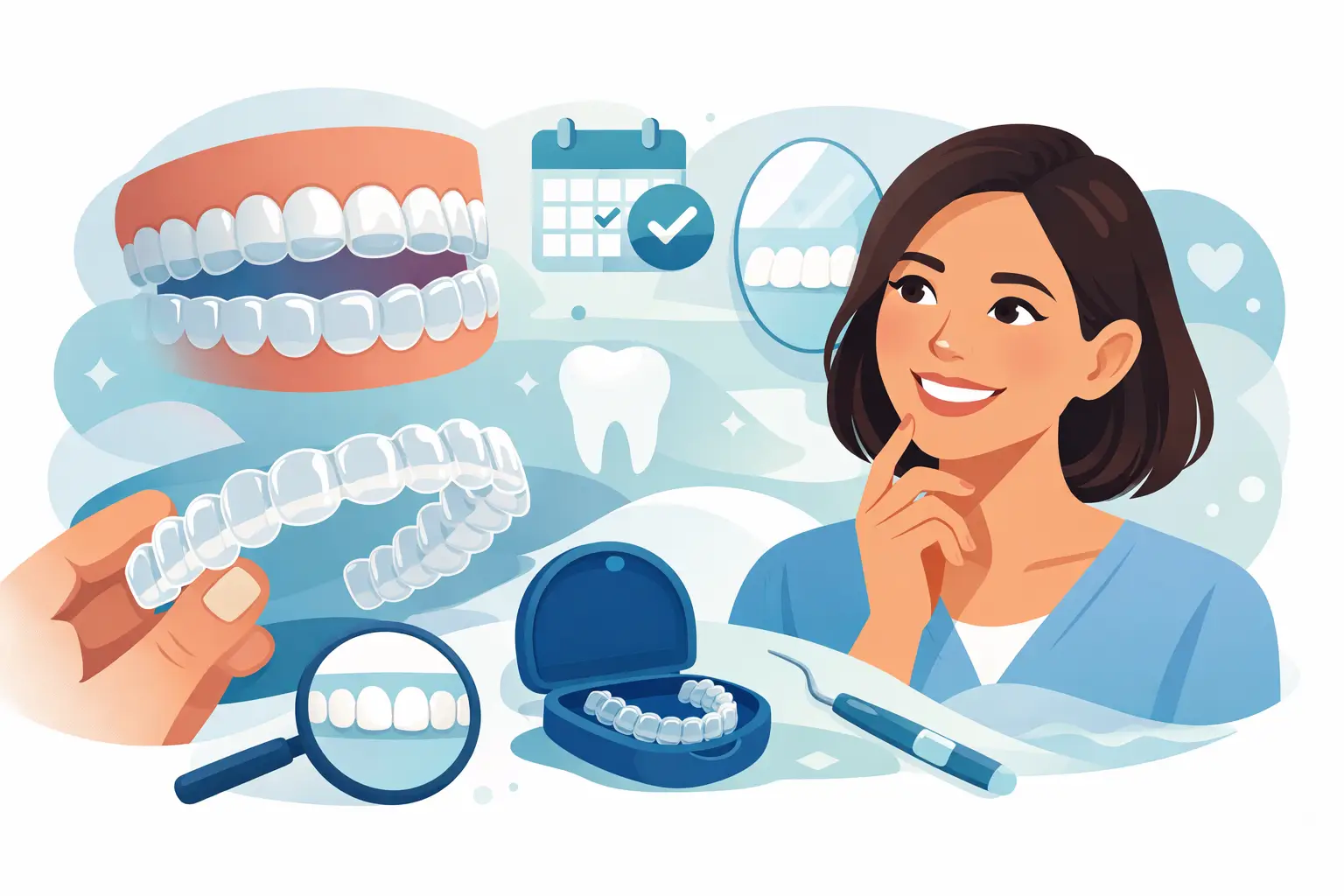
Clear aligners are custom-made trays that gradually shift teeth into better positions. Because they are removable, you can take them out to eat, brush, and floss. That alone is a major advantage for many adults who do not want to work around brackets and wires during meals or social events.
There is also the confidence factor. Many adults want orthodontic treatment without drawing attention to it. Aligners are much less noticeable than traditional braces, which can make it easier to feel comfortable in professional settings, on video calls, or out with friends and family.
How treatment works
The process usually starts with an exam, digital imaging, and a review of your bite and smile goals. Your dentist or orthodontic provider uses those records to map out tooth movement and create a series of aligners. Each set is worn for a set period, often one to two weeks, before moving on to the next tray.
For treatment to stay on track, aligners typically need to be worn 20 to 22 hours a day. That means they should only be out for meals, drinking anything besides water, and oral hygiene. The trays work because of steady pressure over time. If they are worn inconsistently, treatment can slow down or produce less predictable results.
Most adults visit the office periodically so the provider can monitor progress and make adjustments if needed. In some cases, small tooth-colored attachments are placed on certain teeth to help the aligners grip and guide more precise movements. These are subtle, but patients should know they can be part of the process.
Are you a good candidate?
This is where the answer becomes more personal. Clear aligners for adults can treat many common orthodontic concerns, including mild to moderate crowding, spacing, and certain bite issues. They are often a strong option for adults who want cosmetic improvement along with better alignment.
That said, more complex cases may need traditional braces or a combination approach. Severe bite problems, significant tooth rotation, or certain jaw alignment issues can be harder to correct with aligners alone. Some adults also need restorative or periodontal treatment before starting orthodontics. If a tooth is damaged, missing, or affected by gum disease, that needs to be part of the overall plan.
This is one reason a comprehensive dental office can be especially helpful. When your provider can look at your smile, bite, gum health, and long-term function together, the treatment plan tends to be more practical and complete. Straightening teeth is not just about appearance. It should also support oral health and stability.
What clear aligners can improve – and what they cannot
Aligners can do a lot when the case is selected well and the patient follows instructions. They can close gaps, reduce crowding, improve the appearance of crooked teeth, and in many cases create a cleaner, more balanced smile. They may also make brushing and flossing easier if overlap or crowding has made hygiene difficult.
But there are limits. Aligners do not replace restorative care. If a tooth looks uneven because it is chipped, worn down, discolored, or misshapen, straightening alone may not create the final look you want. Adults often benefit from a bigger-picture conversation about cosmetic dentistry, especially if they are investing in their smile for the first time in years.
It is also worth knowing that treatment may not end the moment your last tray comes out. Some patients need refinement aligners to fine-tune the result. Others may choose whitening or cosmetic bonding afterward to complete the look. The right plan depends on your starting point and what you want your smile to look like at the finish line.
Comfort, speech, and day-to-day life
Most adults find clear aligners more comfortable than braces, but that does not mean treatment is completely effortless. When you switch to a new set of trays, it is normal to feel pressure or tightness for a day or two. That pressure is a sign the aligners are working.
Speech can feel slightly different at first, especially during the first few days. Most people adjust quickly. If your job involves a lot of talking, that adjustment period is usually short and manageable.
The bigger daily challenge is discipline. Because aligners are removable, success depends on wearing them as directed. Adults often do very well with this because they are motivated, but lifestyle habits matter. If you snack frequently, drink coffee all day, or tend to forget routines, you may need to be more intentional than you expect.
Cost and value for adult patients
Cost is one of the first questions most adults ask, and rightly so. The price of clear aligners varies based on how complex your case is, how long treatment will take, and whether additional procedures are needed. A minor correction case usually costs less than a more involved bite correction plan.
What matters most is understanding value, not just the number attached to treatment. If aligners improve your smile, your bite, and your ability to keep your teeth clean, they can be a worthwhile investment in both appearance and long-term oral health. On the other hand, if you are choosing aligners mainly because they seem easy, but your case would respond better to another method, the lower-friction option is not always the better one.
For many adults, affordability options make treatment more realistic. Flexible payment arrangements, insurance coordination, and consultation visits can make it easier to explore your options without feeling pressured. At Star Dental Group, patients often appreciate being able to discuss orthodontic care as part of a broader treatment plan in one place.
Questions to ask before starting clear aligners for adults
Before beginning treatment, ask how long your case is expected to take, what kind of results are realistic, and whether your bite needs more than cosmetic alignment. You should also ask whether attachments, refinements, or retainers are included in the overall plan.
It is smart to talk about your habits, too. If you travel often, work long shifts, or have had trouble staying consistent with dental routines in the past, say so. A good provider will not push you into a treatment style that does not fit your life. The goal is not just to start treatment. The goal is to finish with a result that feels healthy, stable, and worth it.
The role of retainers after treatment
One point that often surprises adults is that teeth can move back if retainers are not worn after treatment. Orthodontic work does not stay in place on its own. Retainers help protect the time and money you invested.
For most patients, retention starts with more frequent wear and then shifts into a long-term nighttime routine. Skipping that step can undo months of progress. If you are considering aligners, think of retainers as part of the treatment, not an extra add-on.
Choosing clear aligners as an adult is not about trying to get the same treatment you might have avoided as a teenager. It is about finding a modern, practical way to improve your smile on your terms. When the treatment plan is built around your needs, your budget, and your overall oral health, straighter teeth can feel a lot more achievable than they did a few years ago.

