


Why Do Gums Bleed When Brushing? Causes
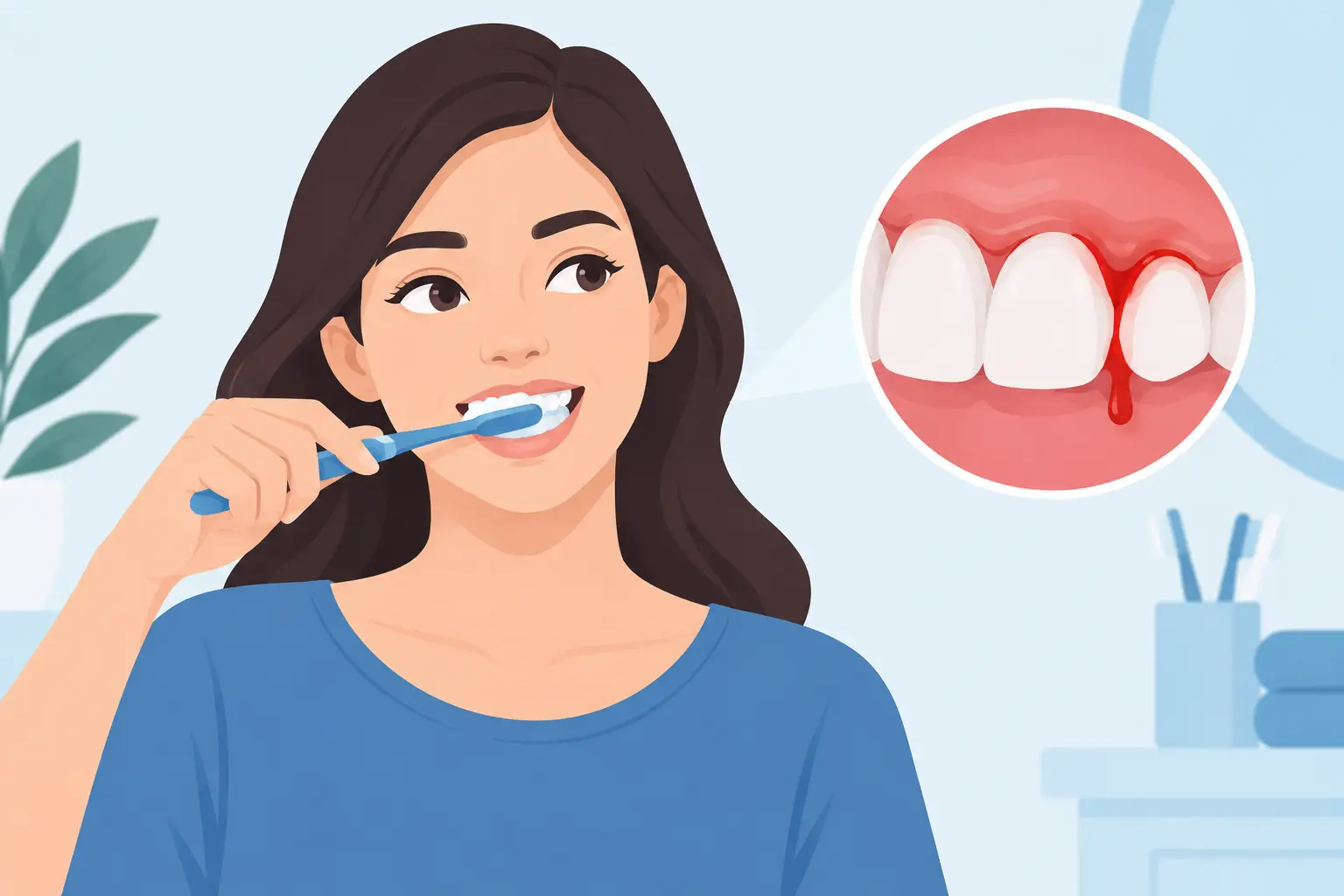
Seeing pink in the sink can be unsettling, especially when your mouth does not hurt. If you are wondering why gums bleed when brushing, the most common answer is inflammation from plaque buildup along the gumline. Bleeding is not usually a sign that you should brush less. In many cases, it is your gums’ early way of asking for more consistent, gentler care.
A little bleeding once after brushing too hard may not be an emergency. But gums that bleed repeatedly deserve attention. Early gum inflammation is often reversible, while untreated gum disease can progress quietly and affect the bone supporting your teeth.
Why Do Gums Bleed Brushing?
Your gums contain many small blood vessels. When bacterial plaque collects where teeth and gums meet, the body responds with inflammation. The tissue can become swollen, tender, and more likely to bleed when a toothbrush or floss touches it.
Plaque is a sticky film that forms every day, even if you do not eat sweets. If it is not removed thoroughly, it can harden into tartar. Tartar cannot be brushed away at home, and it creates a rough surface where more plaque can collect. A professional cleaning is often the step that helps persistent bleeding settle down.
Bleeding does not always mean you have advanced gum disease. Still, it is not something to dismiss as normal. Healthy gums generally do not bleed during routine brushing or flossing.
Gingivitis: the most common cause
Gingivitis is early-stage gum disease. It may cause redness, puffiness, bad breath, tenderness, or bleeding, but it can also be almost painless. That is why people sometimes wait until a cleaning appointment to mention it.
The encouraging news is that gingivitis can often improve with a professional cleaning and better plaque removal at home. The key is consistency. Brushing well one day and skipping or rushing the next few days gives plaque another opportunity to irritate the gums.
Brushing too hard or using the wrong brush
A firm brush and heavy pressure can make gums sore and may contribute to recession over time. Scrubbing back and forth aggressively does not clean better than careful brushing. It can actually wear at the gumline and enamel while leaving plaque behind in harder-to-reach areas.
Choose a soft-bristled toothbrush and use light pressure. Angle the bristles gently toward the gumline and make small, controlled movements rather than broad, forceful strokes. An electric toothbrush with a pressure sensor can be useful for people who tend to brush too hard, but a manual soft brush can work very well with the right technique.
A new flossing routine can cause temporary bleeding
If you have not flossed regularly and start doing it every day, your gums may bleed for several days. This does not mean flossing is harming them. More often, it means the floss is reaching inflamed tissue between the teeth that brushing cannot fully clean.
Continue flossing gently once a day, curving the floss around each tooth instead of snapping it into the gums. Bleeding should begin to improve within about one to two weeks. If it continues, worsens, or comes with swelling and pain, schedule a dental exam.
Other Reasons Your Gums May Bleed
Oral hygiene is a frequent cause, but it is not the only possibility. Hormonal changes during pregnancy, puberty, or menopause can make gums more reactive to plaque. Dry mouth, tobacco use, poorly fitting dental appliances, and crowded teeth can also make gum care more difficult.
Certain medications may increase bleeding or contribute to gum enlargement, including blood thinners and some medications used for blood pressure, seizures, or immune conditions. Do not stop a prescribed medication because your gums are bleeding. Tell your dentist and physician what you take so your care can be planned safely.
Nutritional deficiencies and some medical conditions can affect gum health as well. Less commonly, easy gum bleeding may be part of a broader bleeding issue. If you also notice unexplained bruising, frequent nosebleeds, prolonged bleeding from small cuts, fever, or unusual fatigue, contact your medical provider promptly.
What to Do When Your Gums Bleed
Start with a calm, consistent routine. Brush twice daily for two full minutes using fluoride toothpaste and a soft-bristled brush. Clean between your teeth once each day with floss, an interdental brush, or another option recommended by your dental professional. Then keep up with regular cleanings, because home care cannot remove tartar once it has formed.
Avoid treating bleeding gums by skipping the area that bleeds. It can feel counterintuitive, but avoiding that spot lets more plaque build up and often makes inflammation worse. Be gentle, not hesitant.
A few simple adjustments can make a real difference:
- Replace a worn toothbrush or electric brush head about every three months, or sooner if the bristles flare outward.
- Use a soft brush and reduce pressure, especially along the gumline.
- Clean between teeth daily, taking care not to snap floss down onto the gums.
- Limit tobacco use, which can mask gum disease signs while making healing harder.
- Keep dental cleanings and exams on schedule, even if your teeth feel fine.
Mouthwash may help freshen breath or support a dentist-recommended treatment plan, but it cannot replace brushing, flossing, and professional cleanings. Be cautious with harsh rinses if they make your mouth feel dry or irritated.
When Bleeding Gums Need a Dental Visit
Make an appointment if bleeding lasts longer than one to two weeks after improving your brushing and flossing routine. You should also be seen sooner if you have swollen gums, persistent bad breath, gum recession, loose teeth, pus around a tooth, pain when chewing, or changes in how your teeth fit together.
These symptoms may point to periodontitis, a more advanced form of gum disease. Unlike gingivitis, periodontitis can damage the bone and connective tissues that hold teeth in place. It requires professional treatment, but early care can help protect your smile and prevent more extensive treatment later.
A dental visit is also worthwhile if you have avoided care because of anxiety, time, or cost concerns. A clear exam and treatment plan can replace uncertainty with practical next steps. For Rancho Cucamonga families, Star Dental Group can evaluate bleeding gums alongside your overall oral health and discuss care options that fit your needs.
Can You Prevent Gums From Bleeding Again?
Prevention is usually less about a perfect product and more about reliable habits. Plaque begins forming again soon after it is removed, so occasional intense brushing cannot make up for a rushed daily routine. Small, repeatable actions are more effective: brush carefully morning and night, clean between teeth daily, drink water regularly, and keep preventive appointments.
If you have crowns, bridges, braces, dental implants, or retainers, ask for technique-specific guidance. These restorations can be excellent for your smile and function, but they may create areas where plaque is easier to miss. The right brush, floss threader, interdental cleaner, or water flosser depends on your mouth and should be chosen with professional advice.
Bleeding gums are often one of the first signs that your mouth needs a little extra care. Addressing them early can make treatment simpler, more comfortable, and more affordable – and can help you keep your natural smile healthy for years to come.

