


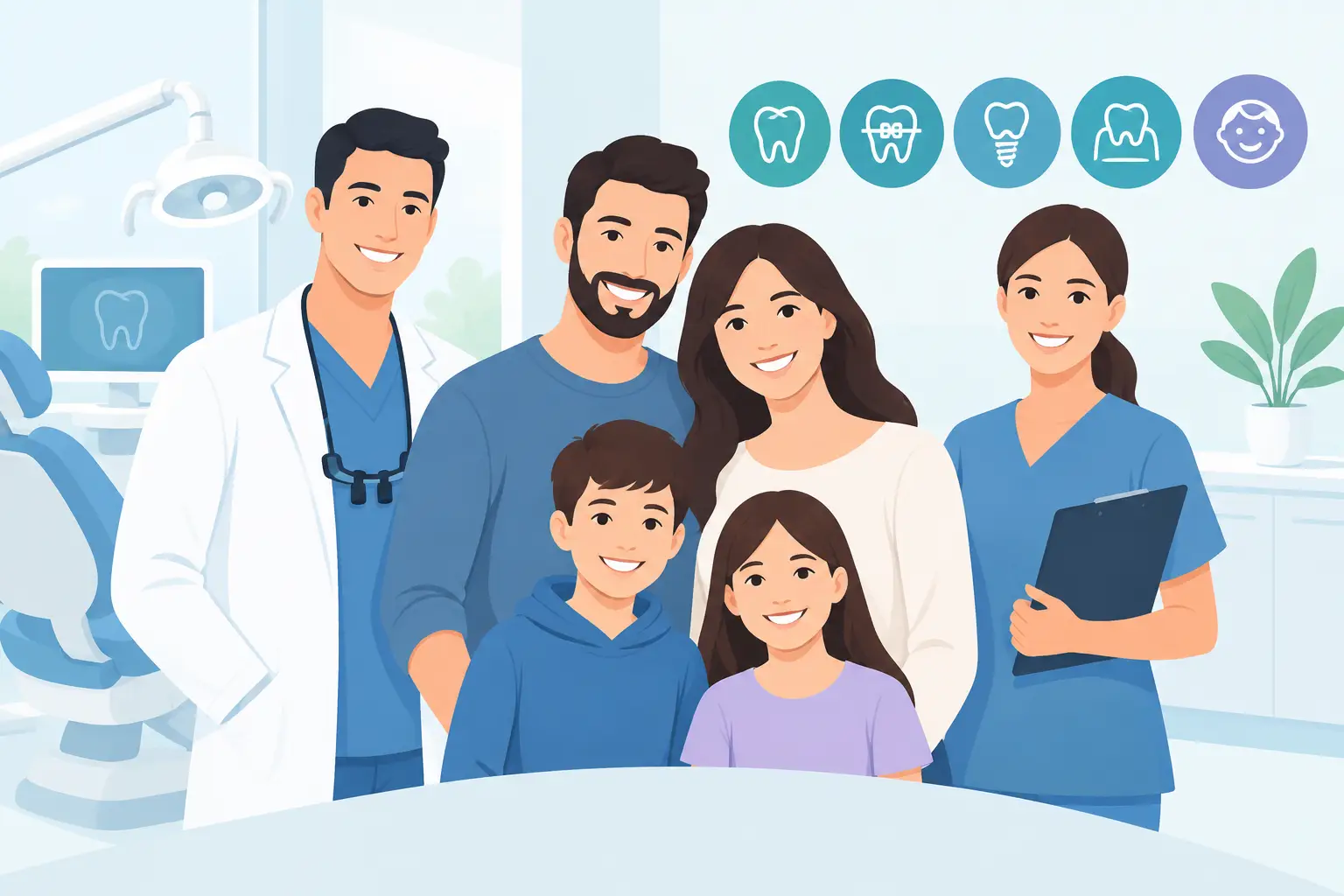
Multispecialty Dental Care Advantages for Families
A cracked tooth before a work trip, a child who needs braces, or a parent considering dental implants can quickly turn into a string of appointments at different offices. The multispecialty dental care advantages are clear in moments like these: patients can pursue the right treatment with a coordinated team in one familiar place, rather than trying to manage referrals, records, and competing schedules on their own.
For families in Rancho Cucamonga and throughout the Inland Empire, comprehensive dentistry is about more than convenience. It is about having a clear plan for oral health, comfort, function, and the appearance of your smile – with care that fits real life.
What Multispecialty Dental Care Means
A multispecialty dental practice brings multiple areas of dentistry together under one roof. Depending on a patient’s needs, that may include preventive and general dentistry, cosmetic treatment, restorative care, dental implants, orthodontics, and treatment planning for more complex concerns.
This model does not mean every patient needs every service. A routine cleaning and exam may be all that is needed for many visits. The advantage appears when an issue reaches beyond a single procedure. Instead of starting over with a new provider, patients can often move forward with professionals who can review the same records, X-rays, goals, and treatment history.
That continuity can be especially valuable when several concerns overlap. For example, replacing a missing tooth may involve gum health, bone support, implant placement, and a final crown that looks natural alongside neighboring teeth. Straightening teeth may also affect the timing of veneers, bonding, or other cosmetic care. A full-picture approach helps ensure those decisions support each other.
Multispecialty Dental Care Advantages That Matter
A treatment plan built around the whole smile
Dental problems rarely stay neatly separated. A worn tooth can affect your bite. Missing teeth can change how you chew and may allow nearby teeth to shift. Gum inflammation can influence the long-term success of restorative or cosmetic treatment.
When care is planned comprehensively, the focus is not only on fixing the tooth that hurts today. Your dental team can consider what caused the issue, what nearby teeth need, and what will protect your results over time. That can prevent a short-term solution from creating a new problem later.
For patients who have delayed care because of cost, fear, or a busy schedule, this approach can also make a larger treatment need feel more manageable. The team can explain priorities: what needs prompt attention, what can be monitored, and what may be safely phased into future visits.
Fewer referrals and less repeated information
A referral is sometimes necessary and appropriate, particularly for highly specialized medical or dental needs. But when routine, restorative, cosmetic, and orthodontic services are available in one practice, patients may avoid unnecessary trips between offices.
That means less time requesting records, repeating your health history, and coordinating consultations around work or school. It can be a meaningful benefit for parents managing several family members’ appointments, seniors who prefer a familiar location, and anyone who feels anxious about starting with a new provider.
Internal communication also supports better continuity. When the professionals involved in your care can discuss your case directly, there is less risk that important details get lost between separate offices. Patients still deserve clear explanations, of course. Coordinated care should never mean being left out of the conversation.
Better timing for complex treatment
Some dental procedures have a sequence. If gums need treatment before a crown, if orthodontics should happen before veneers, or if an implant needs healing time before a final restoration, the order matters.
A multispecialty practice can help map out that sequence from the beginning. This is particularly useful for full-mouth rehabilitation, smile makeovers, multiple missing teeth, or extensive wear from grinding. Rather than making one decision at a time, your team can create a roadmap that respects healing, comfort, budget, and long-term function.
Good timing can also reduce duplicate work. For instance, completing orthodontic treatment before a final cosmetic restoration may help the restoration fit better and preserve more natural tooth structure. The best order depends on the individual case, which is why a thorough examination and consultation are essential.
Cosmetic and functional goals can work together
Many people want a brighter, straighter, more balanced smile. They also want to chew comfortably, speak confidently, and keep their natural teeth healthy. These goals should not compete with each other.
Comprehensive planning allows cosmetic dentistry to be considered alongside bite alignment, tooth structure, gum health, and replacement options for missing teeth. A beautiful result should also feel comfortable and be designed for daily life.
That does not mean every cosmetic concern requires extensive treatment. Professional whitening or bonding may be appropriate for one patient, while another may benefit from orthodontics, crowns, or implants first. An experienced team can help patients understand the differences without pressure to choose treatment that is larger than their needs.
A more comfortable experience for nervous patients
Dental anxiety is common, especially for people who have put off appointments after a difficult past experience. Building trust with one caring team can make a real difference. Familiar faces, consistent communication, and a clear explanation of what happens next often reduce uncertainty.
A comprehensive practice can also limit the emotional burden of moving between unfamiliar offices during a major treatment plan. Patients can ask questions, discuss concerns about comfort, and understand their options in a setting that already knows their history.
The goal is not to rush anyone through care. It is to make each step feel understandable and manageable, whether the visit is a routine checkup or the first stage of a more involved restoration.
Is One Practice Always the Right Choice?
Multispecialty care offers strong advantages, but the right dental office should be chosen based on more than the number of services listed. Look for a practice that takes time to diagnose carefully, explains alternatives, and provides a treatment plan you can understand.
Ask who will perform each portion of your care, how the team coordinates complex cases, and what follow-up will look like. If a referral is needed, a patient-focused office should be transparent about why it is recommended and help make the transition easier.
Cost also deserves an honest discussion. Comprehensive dentistry can make planning more efficient, but larger treatment needs still involve an investment. A quality office should discuss priorities, available options, expected timelines, and payment considerations before treatment begins. For uninsured patients and seniors, asking about available discounts can help make needed care more accessible.
Choosing Care for Your Family in Rancho Cucamonga
The best dental home is one where your family can receive attentive preventive care today and have capable treatment options available if needs change tomorrow. Children may need cleanings and orthodontic guidance. Adults may need a crown, whitening, or help replacing a missing tooth. Seniors may need support maintaining existing dental work or exploring implant options.
At Star Dental Group, patients can discuss general, cosmetic, restorative, implant, and orthodontic needs in a modern, welcoming setting. A free consultation can be a useful first step for anyone who wants to understand their options before committing to treatment.
If you have been moving from office to office or postponing a concern because the next step feels unclear, start with a conversation. A thoughtful dental plan can turn a complicated situation into a series of practical decisions that protect your health and help you feel good about your smile.

