


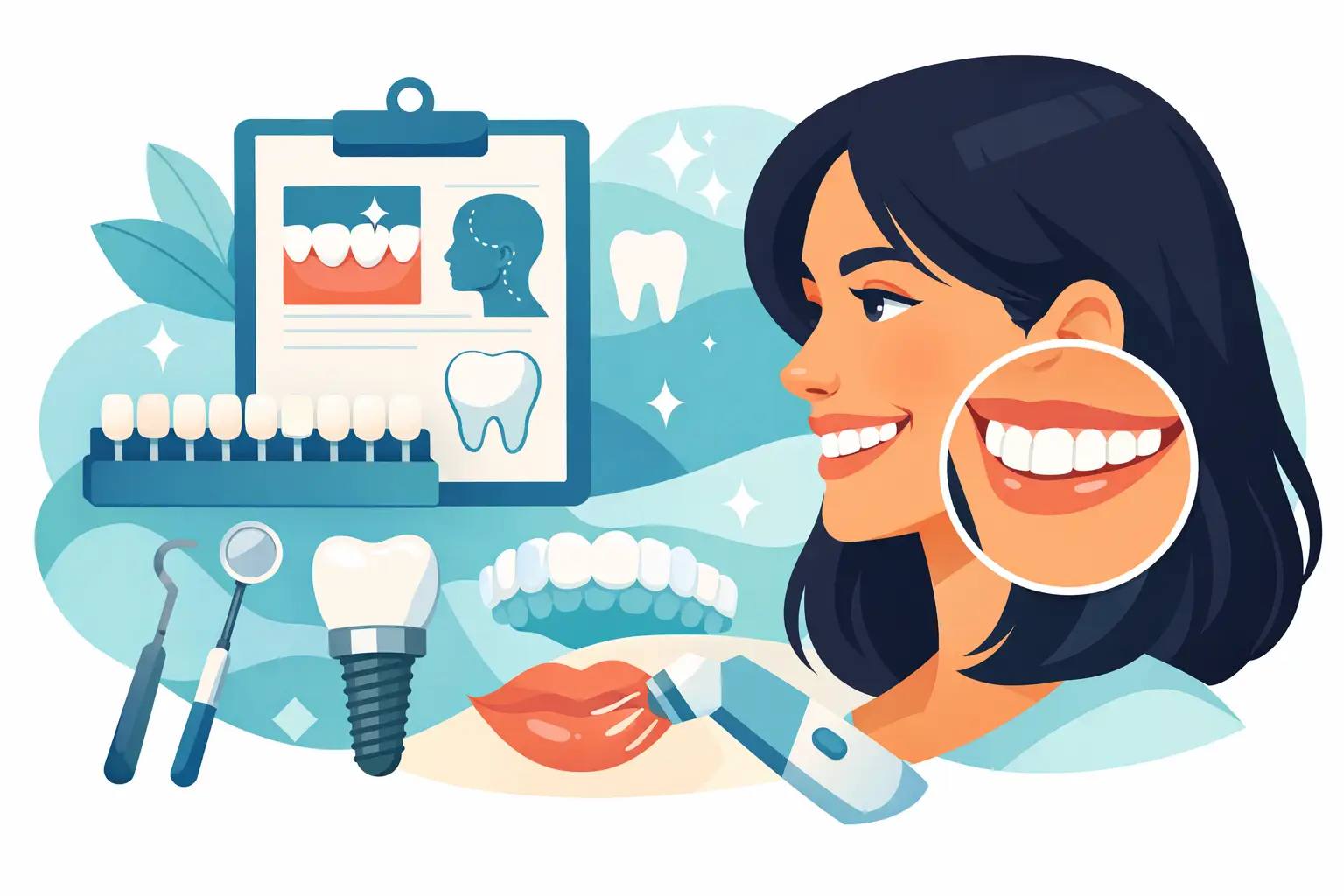
Best Smile Makeover Treatments for Your Goals
A whitening kit can lift surface stains, but it cannot repair a chipped front tooth, replace a missing tooth, or correct a bite that makes you hide your smile. The best smile makeover treatments are not one-size-fits-all. They are the treatments that address the specific details you want to change while protecting the health and function of your teeth.
For many patients in Rancho Cucamonga and the Inland Empire, a smile makeover begins with a simple question: what would make you feel more comfortable smiling, talking, and showing up in photos? The answer may be as straightforward as professional whitening. For others, it may involve restoring worn teeth, straightening crowded teeth, replacing gaps, or combining several services into one thoughtfully planned result.
Start With the Foundation, Not Just the Color
Cosmetic dentistry works best when the underlying teeth and gums are healthy. Before choosing veneers, whitening, bonding, or another cosmetic option, a dentist should look at gum health, decay, old fillings, tooth wear, bite alignment, and missing teeth. Addressing these concerns first helps protect your investment and creates a more predictable cosmetic outcome.
For example, gums that bleed or pull back can make teeth appear uneven or overly long. Treating gum disease may be the first step before changing the appearance of the teeth. Likewise, a cracked tooth may need a crown rather than a purely cosmetic treatment. A comprehensive evaluation prevents a beautiful-looking result from being built on a problem that still needs care.
This is especially valuable for people who have put off dental treatment because of anxiety, a busy schedule, or concerns about cost. A clear plan lets you understand what needs attention now, what can wait, and which treatments can be phased over time.
Best Smile Makeover Treatments to Consider
The right approach depends on your enamel, bite, budget, timeline, and long-term goals. Some treatments create a noticeable change in one visit, while others take months but correct the cause of the problem rather than covering it.
Professional teeth whitening
Professional whitening is often the simplest option for teeth that are healthy but stained by coffee, tea, red wine, tobacco, or natural aging. It can brighten your smile without changing the shape or position of your teeth.
Whitening is a strong choice when discoloration is the main concern, but it has limits. Crowns, veneers, fillings, and bonding do not whiten the same way natural enamel does. If visible front teeth already have dental work, a dentist can help you plan the color so the final smile looks consistent. Some patients also experience temporary sensitivity, which should be discussed before treatment.
Dental bonding
Dental bonding uses tooth-colored composite material to improve small chips, worn edges, minor gaps, and uneven tooth shapes. It is a conservative treatment because it often requires little to no removal of natural enamel. For a patient who wants a subtle improvement before an event or prefers a more affordable cosmetic starting point, bonding can be an excellent fit.
The trade-off is durability. Bonding can stain, chip, or wear over time, particularly for people who bite their nails, chew ice, or grind their teeth. It may need touch-ups or replacement sooner than porcelain restorations. A nightguard can help protect cosmetic work when grinding is a concern.
Porcelain veneers
Veneers are thin porcelain coverings designed for the front surfaces of visible teeth. They can change color, shape, size, and the appearance of small gaps or mild misalignment. When planned carefully, veneers can create a balanced, natural-looking smile without making every tooth look identical.
They are not automatically the best answer for every cosmetic concern. Veneers usually involve some enamel preparation, and the decision is long-term because the teeth will continue to need restoration. They also do not correct significant crowding, bite problems, or untreated gum disease. A dentist may recommend orthodontics first when moving the teeth would preserve more natural structure and deliver a healthier result.
Dental crowns
A crown covers the entire visible portion of a tooth and is usually recommended when a tooth is weakened by a large filling, fracture, root canal treatment, or advanced wear. Modern crowns can be matched closely to surrounding teeth, making them both restorative and cosmetic.
Crowns are often part of a smile makeover for patients whose front teeth are short, broken, heavily discolored, or structurally compromised. Unlike veneers, crowns are generally chosen when more full-coverage protection is needed. The goal is not simply to make a tooth look better, but to help it function comfortably for daily biting and chewing.
Orthodontic treatment
Clear aligners and braces can straighten crowded, spaced, rotated, or protruding teeth. They can also improve bite relationships that contribute to uneven wear, jaw discomfort, or repeated chipping. For adults who assume they are too old for orthodontics, treatment can be a practical way to improve both appearance and oral health.
Orthodontics requires patience. It is not the fastest route to a new smile, but it may reduce the need for more extensive cosmetic work later. Once teeth are in better positions, a patient may only need whitening and minor bonding rather than multiple veneers or crowns. Retainers are essential after treatment to help maintain the result.
Dental implants and implant-supported restorations
A missing tooth affects more than a photograph. Nearby teeth may shift, chewing can become difficult, and bone in the jaw can gradually change after tooth loss. A dental implant replaces the tooth root and supports a custom crown, helping restore the look and function of a complete smile.
Implants can be used for one missing tooth, several missing teeth, or a full arch when appropriate. Treatment takes time because healing and planning matter, and not every patient is immediately ready for implant placement. Bone health, gum health, medical history, and tobacco use all play a role. For the right candidate, an implant can be one of the most meaningful parts of a full-mouth smile makeover.
When a Combination Plan Makes More Sense
Many of the most natural smile makeovers use more than one treatment. Someone may begin with periodontal care and orthodontics, then choose whitening and conservative bonding for the finishing details. Another patient may need an implant to replace a missing tooth, crowns to rebuild worn teeth, and whitening to brighten the overall smile.
The order matters. Whitening is often completed before creating a new crown, veneer, or bonding so restorations can be matched to the preferred tooth shade. Orthodontics may come before veneers or crowns to place teeth in more favorable positions. Restorative care may need to happen first if pain, decay, or a damaged tooth is involved.
This is why a smile makeover should be planned as a whole, even if you complete it in stages. A phased approach can make treatment more manageable financially while still keeping the final goal in view. It also avoids spending money on cosmetic work that may need to be changed after another necessary treatment.
Choosing a Smile That Still Looks Like You
The best cosmetic dentistry does not follow a single template. Some patients want a bright, polished Hollywood-style smile. Others want a softer change that preserves natural character, such as a small space between front teeth or gently rounded edges. Both preferences are valid.
During a consultation, be specific about what bothers you and what you like about your smile. Bring up concerns about tooth sensitivity, clenching, old dental work, or past experiences that made you nervous about treatment. Ask how long a recommended option is expected to last, what maintenance it requires, and what alternatives could meet your goals with less treatment.
Photographs, digital imaging, and a detailed exam can help make those conversations easier. You should feel informed about the expected timeline, costs, and the care needed to maintain your result. Cosmetic treatment is most satisfying when there are no surprises about what it can and cannot do.
A Comfortable Next Step for Your Smile
A confident smile does not have to mean choosing the most extensive treatment. It means choosing care that fits your teeth, your goals, and your life. At Star Dental Group, a comprehensive consultation can help you explore options from whitening and bonding to orthodontics, crowns, and implants in one convenient setting.
If you have been covering your mouth when you laugh or delaying care because the process feels overwhelming, start with a conversation. A practical, personalized plan can turn a long-standing concern into a smile you feel comfortable sharing.

