


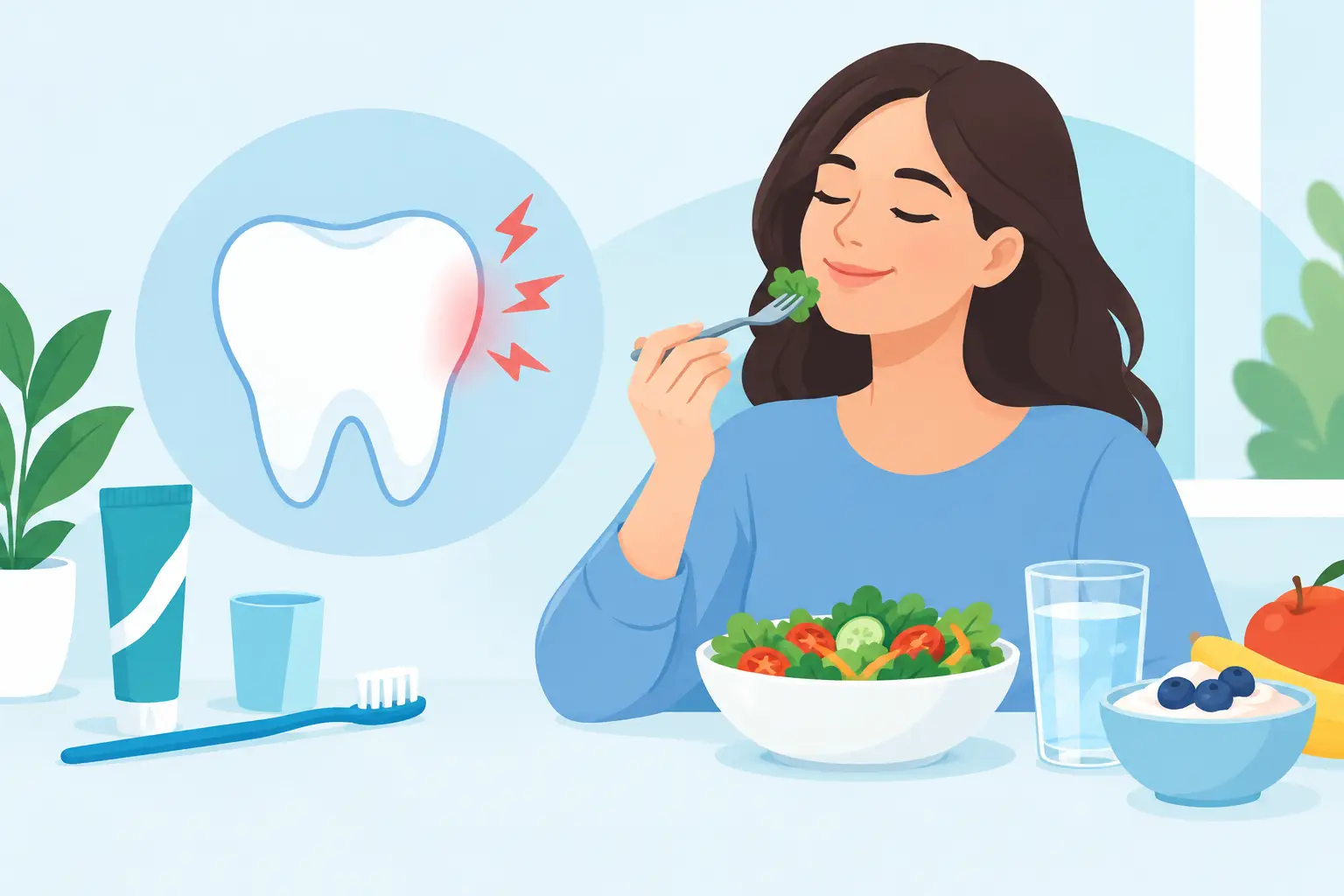
How to Treat Tooth Sensitivity and Eat Comfortably
A sip of cold water should feel refreshing, not like a sharp jolt through a tooth. If hot coffee, sweets, brushing, or breathing cool air causes that sudden sting, you may be wondering how to treat tooth sensitivity without giving up the foods and routines you enjoy. The answer depends on what is exposing or irritating the sensitive part of the tooth, and a dental exam can distinguish a manageable sensitivity issue from a problem that needs prompt treatment.
Tooth sensitivity is common, but it is not something you need to simply tolerate. The right combination of gentle daily care and professional treatment can often make a noticeable difference.
What Causes Sensitive Teeth?
Each tooth has a hard outer layer called enamel. Below the gumline, the root is protected by a softer layer called cementum. When enamel wears down or gums recede, tiny channels in the underlying dentin can become exposed. Temperature changes, acidic foods, pressure, and sweet foods can then reach the nerve more easily, creating that quick, familiar pain.
Sensitivity can develop gradually, especially with gum recession or enamel wear. It can also appear suddenly after a chipped tooth, a new cavity, aggressive whitening, or dental work. Common causes include brushing too hard, gum disease, clenching or grinding, frequent acidic drinks, tooth decay, cracked teeth, worn fillings, and exposed tooth roots.
The sensation alone cannot tell you the cause. A brief, mild sting from cold food may be generalized sensitivity. Pain that lingers, wakes you at night, occurs when you bite down, or affects one specific tooth deserves a dental evaluation sooner rather than later.
How to Treat Tooth Sensitivity at Home
At-home care can be very effective when sensitivity is related to mild enamel wear, early gum recession, or brushing habits. It takes consistency, though. Most people need several days to a few weeks to notice a meaningful improvement.
Switch to a sensitivity toothpaste
Use a toothpaste made for sensitive teeth twice a day. These formulas work by helping block the pathways that transmit sensations to the nerve or by supporting enamel remineralization. Brush gently and spit after brushing rather than rinsing thoroughly with water, so the active ingredients have more time to remain on your teeth.
For an especially sensitive area, ask your dentist whether placing a small amount of sensitivity toothpaste directly on the tooth before bed is appropriate. Avoid changing toothpaste every few days. Give one product time to work unless it causes irritation.
Change how you brush
A firm toothbrush and a vigorous back-and-forth scrubbing motion can wear enamel near the gumline and irritate gums. Choose a soft-bristled toothbrush or an electric toothbrush with a pressure sensor. Hold it at a slight angle toward the gums and use small, gentle movements.
Brushing harder does not mean brushing better. Two minutes of careful brushing removes plaque more safely than forceful scrubbing, especially around exposed roots.
Reduce acid exposure without overcorrecting
Acidic drinks and foods can soften enamel temporarily. Citrus, soda, sports drinks, energy drinks, wine, and frequent snacking on sour foods are common contributors. You do not have to eliminate every acidic item, but reducing how often your teeth are exposed can help.
Try having acidic drinks with a meal instead of sipping them throughout the day. Follow with plain water, and wait about 30 minutes before brushing. Brushing immediately after an acidic drink can rub softened enamel more aggressively.
Watch for grinding and clenching
Many people clench their jaw during stressful workdays or grind their teeth while sleeping without realizing it. Over time, that pressure can create worn edges, small fractures, and sensitivity. Jaw soreness in the morning, headaches, or teeth that look flatter than before can be clues.
A custom night guard may protect your teeth if grinding is part of the problem. Store-bought guards can help in limited situations, but a professionally fitted appliance is generally more comfortable and better suited to your bite.
When Sensitive Teeth Need Dental Treatment
Home care is not a substitute for diagnosing the source of pain. If sensitivity persists beyond two to four weeks, keeps returning, or is concentrated in one tooth, schedule a visit. A dentist can examine your gums, bite, old restorations, and enamel, and may take X-rays to check for decay, infection, or changes beneath the surface.
Treatment is tailored to the cause. For exposed roots or early enamel loss, fluoride varnish, desensitizing treatments, or bonding may shield vulnerable areas. If gum recession is significant, your dentist may discuss periodontal treatment or other ways to protect the root surface.
A cavity, cracked tooth, leaking filling, or worn restoration usually requires repair. Depending on the situation, that could mean a filling, crown, or another restorative treatment. If the tooth nerve is inflamed or infected, root canal treatment may be the most reliable way to relieve pain while preserving the tooth.
Sensitivity after professional whitening is another common concern. It is often temporary, but treatment may need to be adjusted by using a lower-strength whitening product, spacing sessions farther apart, or pausing treatment while your teeth recover. Whitening should not be used to cover up unexplained tooth pain.
Signs You Should Not Wait
Some tooth pain needs more than a toothpaste change. Contact a dental office promptly if you have any of the following:
- Pain that lasts more than a few seconds after hot or cold food is removed
- Swelling of the gums, face, or jaw
- A cracked, broken, loose, or visibly darkened tooth
- Pain when biting or releasing your bite
- Fever, drainage, a bad taste, or trouble swallowing
Facial swelling, difficulty breathing, or trouble swallowing can signal a serious infection and requires urgent medical attention. Dental infections do not resolve safely on their own.
Preventing Sensitivity From Returning
Once your teeth feel better, the goal is to preserve that progress. Keep up with regular cleanings and exams, since gum disease and small cavities are easier to treat before they become painful. Drink water frequently, use fluoride toothpaste, clean between teeth daily, and ask about a night guard if you clench or grind.
If you have a history of gum recession, dental work, dry mouth, or frequent acid reflux, your prevention plan may need to be more specific. Dry mouth reduces the protective effect of saliva, while reflux can repeatedly expose teeth to stomach acid. Mention these concerns during your appointment so they can be considered as part of your full oral health picture.
For families in Rancho Cucamonga and the Inland Empire, Star Dental Group can evaluate tooth sensitivity in the context of your overall smile, from gum health and bite alignment to worn fillings and cosmetic concerns. A clear diagnosis helps avoid spending months trying products that cannot solve the underlying issue.
Tooth sensitivity is often your smile’s early warning system. Responding with gentler care and a timely dental evaluation can protect your comfort now and help prevent a small irritation from becoming a more complicated dental problem.

