


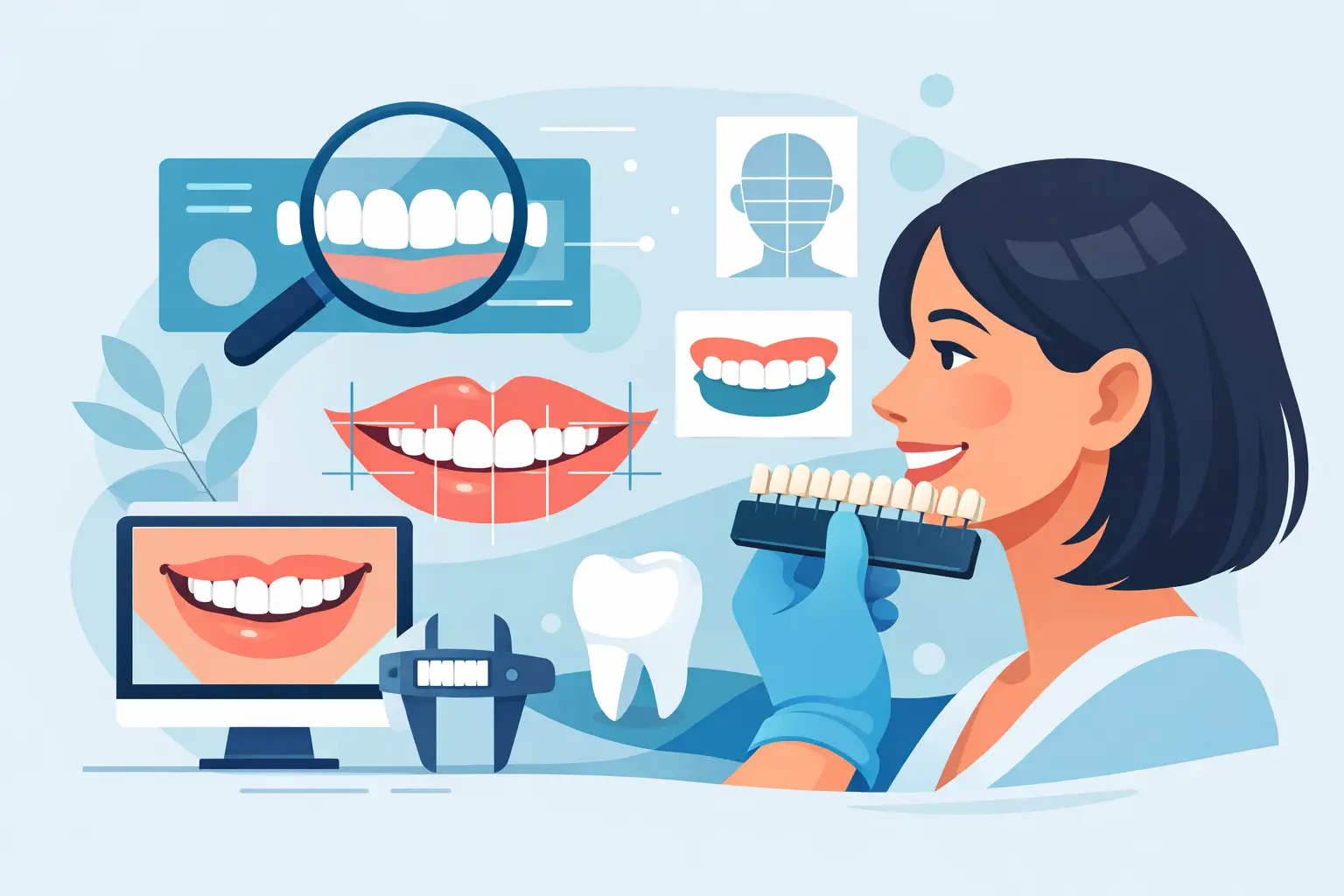
A Practical Guide to Smile Design Treatment
A smile can look worn, uneven, or less confident for reasons that are not always obvious in the mirror. A chipped front tooth, teeth that appear too short, old dental work, gum asymmetry, spacing, or discoloration can each affect the overall picture. This guide to smile design treatment explains how dentists evaluate those details and create a plan that supports both the look and function of your smile.
Smile design is not a one-size-fits-all cosmetic service. The right treatment may be as simple as whitening and bonding, or it may involve orthodontics, veneers, crowns, implants, or gum contouring. The goal is not to give every patient the same bright, uniform smile. It is to create a healthy, natural-looking result that fits your face, your bite, and your priorities.
What Is Smile Design Treatment?
Smile design treatment is a personalized approach to improving the appearance of your teeth and gums while protecting oral health and bite function. Rather than selecting a single procedure first, your dentist looks at how several elements work together: tooth color, shape, size, spacing, alignment, gumline, facial proportions, and the way your teeth meet when you bite.
This broader view matters because a cosmetic concern can sometimes have a functional cause. For example, teeth that look short may be worn down from grinding. A dark tooth may have an old filling, decay, or previous trauma. A gap may be cosmetic, but it may also relate to tooth size or bite alignment. Treating the cause first can help the finished smile look better and last longer.
A thoughtful design also respects what is already healthy. Not every patient needs veneers, and not every uneven tooth needs a crown. Conservative care is often a good place to start when it can achieve the desired improvement.
The First Step: A Complete Smile Evaluation
A smile design consultation usually begins with a conversation. You may bring photos of smiles you like, but the most helpful information is often what you want to change and what you do not want to lose. Some patients want a subtle refinement that still looks like their natural smile. Others are ready for a more noticeable change after years of hiding their teeth.
Your dental team will examine your teeth, gums, bite, and overall oral health. Digital X-rays, photographs, scans, or impressions may be used to evaluate areas that are not visible at a glance. This planning process helps identify concerns such as gum disease, cavities, cracked teeth, missing teeth, jaw discomfort, and teeth grinding before cosmetic work begins.
Your facial features also play a role. Tooth length, width, and shade should complement your lips, face shape, and age. A result that looks excellent on one person may not look natural on another. The aim is proportion and balance, not a copied smile.
Health Comes Before Cosmetics
Healthy gums and stable teeth are the foundation of cosmetic dentistry. If you have untreated decay, inflammation, infection, or significant bite problems, your dentist may recommend addressing those issues before moving forward with aesthetic procedures.
This can feel like an extra step when you are eager for a new smile, but it protects your investment. Placing veneers or crowns over unhealthy teeth can lead to avoidable discomfort, repairs, and additional treatment later. A complete plan gives you a clearer path, even when treatment needs to happen in stages.
Common Treatments Used in Smile Design
Smile design can combine one or more procedures depending on your needs. Professional whitening may be appropriate when healthy teeth are mainly affected by stains or natural discoloration. It can brighten enamel without changing tooth shape, although it will not lighten crowns, veneers, fillings, or other restorations.
Dental bonding uses tooth-colored composite material to repair small chips, close minor gaps, soften uneven edges, or improve the appearance of a misshapen tooth. It is often a conservative option, though it may stain or wear sooner than porcelain and can require touch-ups over time.
Porcelain veneers are thin custom restorations placed over the front of teeth to improve color, shape, proportion, and minor spacing concerns. They can create a dramatic change, but they are not the right choice for every patient. Veneers usually require some enamel preparation, and maintaining excellent hygiene is essential.
Crowns may be recommended when a tooth needs more than cosmetic enhancement. A crown can restore a tooth that is heavily filled, fractured, worn, or weakened while also improving its appearance. For a missing tooth, dental implants may provide a long-term replacement that helps restore chewing ability and supports the appearance of the smile.
Orthodontic treatment can move teeth into healthier positions before cosmetic finishing. Clear aligners or braces may be useful for crowding, gaps, bite concerns, or teeth that are rotated. In some cases, straightening first allows for less tooth alteration later. Gum contouring may also be considered when excess gum tissue makes teeth look short or when the gumline is uneven.
How a Smile Design Plan Comes Together
After the evaluation, your dentist should explain the available options in clear terms. A good plan includes the recommended order of treatment, the expected timeline, what each procedure can and cannot accomplish, and the care required afterward. It should also include a conversation about your budget and whether treatment can be phased.
For example, a patient with crowding, worn teeth, and discoloration may begin with periodontal care and orthodontics, then complete whitening and bonding. Someone with healthy, properly aligned teeth but uneven edges may only need bonding and whitening. There is no benefit in making treatment more extensive than your smile requires.
You should also discuss shade carefully. Very white teeth can look striking, but the best shade depends on your complexion, existing restorations, and preference for a natural or brighter appearance. If crowns or veneers are part of the plan, whitening natural teeth first may help the final colors blend more consistently.
Temporary Previews and Digital Planning
Depending on the procedures involved, your dentist may use digital images, models, or temporary restorations to help you visualize possible changes. These tools are useful for discussing tooth length, shape, and overall balance before final restorations are made.
A preview is not a guarantee of an identical final result. Natural teeth, gums, bite forces, and laboratory materials all influence the outcome. Still, seeing and discussing a proposed direction can make the decision process more comfortable and collaborative.
Timing, Comfort, and Long-Term Care
The timeline for smile design varies widely. Whitening or bonding may take one or two visits. Veneers and crowns often require planning, preparation, temporary restorations, and a final placement appointment. Orthodontics, implants, and complex full-mouth treatment can take months because healing and tooth movement cannot be rushed.
If you feel anxious about dental treatment, say so early. Modern dentistry offers ways to improve comfort, and a caring team can explain each appointment before treatment begins. Knowing what to expect often makes the process feel more manageable.
After treatment, daily care remains essential. Brush twice a day with a soft toothbrush, clean between teeth daily, and keep regular dental visits. If you grind or clench, a custom night guard may help protect veneers, crowns, bonding, and natural teeth from excessive pressure. Avoid using your teeth to open packages or bite hard objects, since even strong dental materials can chip under the wrong force.
Questions to Ask Before You Begin
Before committing to cosmetic work, ask what problems the treatment is designed to solve, what alternatives exist, and how long the results are expected to last with proper care. Ask whether your bite has been evaluated, whether any existing dental work will need replacement, and what future maintenance may involve.
It is also reasonable to ask for a written estimate and a phased plan when multiple treatments are recommended. Cosmetic dentistry is an investment, and clear information helps you make decisions at a pace that works for your household. At Star Dental Group, patients can discuss comprehensive cosmetic and restorative options in one office, which can make coordinated planning more convenient.
The right smile design treatment should leave you feeling informed, not pressured. Start with a consultation, share what you want to change, and let your long-term dental health guide every cosmetic choice.

