


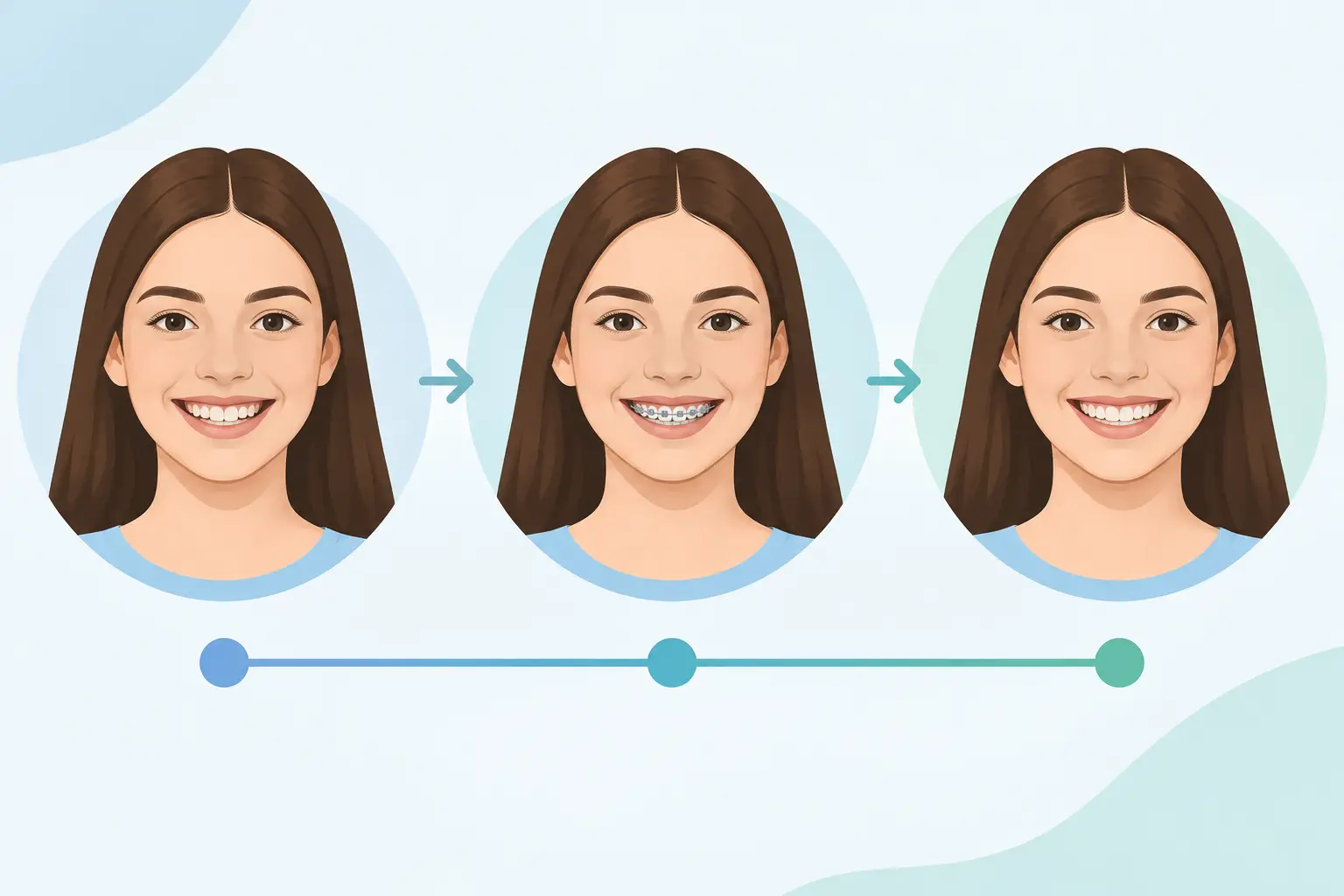
What Braces Treatment Results Look Like Over Time
A straighter smile is often the first thing people expect from orthodontics. But the most meaningful braces treatment results can also include a more balanced bite, easier cleaning, improved comfort while chewing, and greater confidence in photos, conversations, and everyday life. For children, teens, and adults in Rancho Cucamonga, braces are not a one-size-fits-all cosmetic service. The final result depends on the starting condition of the teeth and jaw, the treatment plan, and the care taken throughout the process.
What Braces Can Change
Braces use gentle, consistent pressure to guide teeth into healthier positions over time. They can close spaces, relieve crowding, correct rotated teeth, bring teeth that sit too high or low into alignment, and improve the way the upper and lower teeth meet.
That last point matters. A bite that does not come together properly may contribute to uneven wear, trouble chewing, or excessive pressure on certain teeth. Orthodontic treatment can address concerns such as overbites, underbites, crossbites, open bites, and excessive spacing when braces are the appropriate option.
The visible change can be exciting, but good orthodontic results are about more than making every tooth look perfectly straight. The goal is a stable, healthy arrangement that works well with your bite, gums, facial features, and long-term dental needs.
When Do Braces Treatment Results Become Visible?
Many patients notice early movement within the first few months. A crowded front tooth may begin to rotate, or a visible space may start closing. These changes can make treatment feel rewarding early on, but they are only part of the process.
The less noticeable stages are often just as important. After the teeth begin to line up, the orthodontic plan may focus on root positioning, bite correction, and fine adjustments that help teeth fit together properly. This is why a smile may look much straighter before treatment is actually complete.
Treatment time varies. Some patients need limited correction and may finish sooner, while more complex bite concerns can require additional time. Age, the amount of movement needed, oral habits, missed appointments, and how consistently patients follow instructions can all affect the timeline. A clear consultation and diagnostic exam are the best way to receive a realistic estimate for your specific needs.
Why Adult Results May Follow a Different Timeline
Adults can achieve excellent orthodontic outcomes. Healthy teeth can move at any age, and many adults choose braces after putting off treatment for years. However, adult treatment may require more planning when there is gum disease, bone loss, worn teeth, missing teeth, old dental work, or a history of shifting after previous orthodontics.
In some cases, orthodontics is part of a larger plan that includes restorative or cosmetic dentistry. Moving teeth into a healthier position can create the right foundation for crowns, implants, veneers, or other dental work. A multi-specialty practice can be especially helpful when several aspects of a smile need attention at the same time.
What a Successful Result Looks Like
A successful outcome is personal, but it usually includes teeth that are easier to clean, a smile that feels natural, and a bite that is more balanced. It should also respect the health of the gums and supporting bone. Orthodontic care should never focus only on a quick cosmetic change while overlooking conditions that may affect long-term stability.
For some patients, the biggest result is finally smiling without covering their mouth. For others, it is being able to floss between crowded teeth more easily or chew without feeling that certain teeth hit first. Parents may notice that their child has more confidence at school or in family pictures. These everyday improvements are often what patients remember most after braces come off.
Perfection is not always the right expectation. Natural teeth have individual shapes, and jaw relationships can place limits on what braces alone can accomplish. In more complex cases, additional orthodontic methods or coordinated treatment may be discussed. A trustworthy orthodontic team explains what is realistically achievable before treatment begins, rather than promising identical results for every patient.
Your Daily Habits Protect the Final Outcome
Braces do their work between appointments, but daily care makes a real difference. Brackets and wires create more places for food and plaque to collect, so brushing carefully around each bracket and cleaning between teeth are essential. Without consistent hygiene, patients can develop gum inflammation, cavities, or white spots on the enamel around brackets. Those issues can take attention away from an otherwise beautiful alignment result.
Food choices matter as well. Hard, sticky, and crunchy foods can loosen brackets or bend wires, which may slow treatment and require repair visits. Following the food guidance provided by your dental team helps keep treatment moving forward as planned.
Keeping adjustment appointments is equally important. Orthodontic visits allow the team to monitor tooth movement, make controlled changes, check oral health, and address concerns before they become larger problems. If a wire is poking, a bracket comes loose, or pain feels unusual, contacting the office promptly is better than trying to adjust the appliance at home.
Retainers Are Part of the Result
The day braces are removed is a milestone, not the end of orthodontic care. Teeth naturally have a tendency to shift, particularly during the months immediately after active treatment. Retainers hold teeth in their new positions while the surrounding tissues adapt.
Your orthodontic provider will recommend a retainer schedule based on your treatment and individual needs. Some patients begin with full-time wear, then transition to nighttime wear. Long-term nighttime retainer use is commonly recommended because teeth can continue to move throughout life.
A lost, broken, or poorly fitting retainer should be addressed quickly. Waiting until movement is obvious can make it harder to preserve the result you worked for. Retainer care is one of the simplest ways to protect the time, cost, and effort invested in braces.
Choosing Care That Looks Beyond Straight Teeth
The quality of orthodontic results starts with careful planning. Before braces are placed, your provider should evaluate tooth alignment, bite function, gum health, jaw development when relevant, and any dental work that may be needed before or after treatment. Digital imaging, photographs, impressions or scans, and a complete exam help create a plan based on your smile rather than a generic timeline.
At Star Dental Group, patients can discuss orthodontic care alongside general, restorative, cosmetic, and implant dentistry in one location. That coordinated approach can be valuable for families and adults whose orthodontic goals connect to broader oral health needs.
If you are considering braces for yourself or your child, focus on the outcome that matters most: a healthier smile that feels comfortable, functions well, and gives you a reason to show it. A consultation can turn questions about timing, cost, and expected changes into a treatment plan designed around your real goals.

