


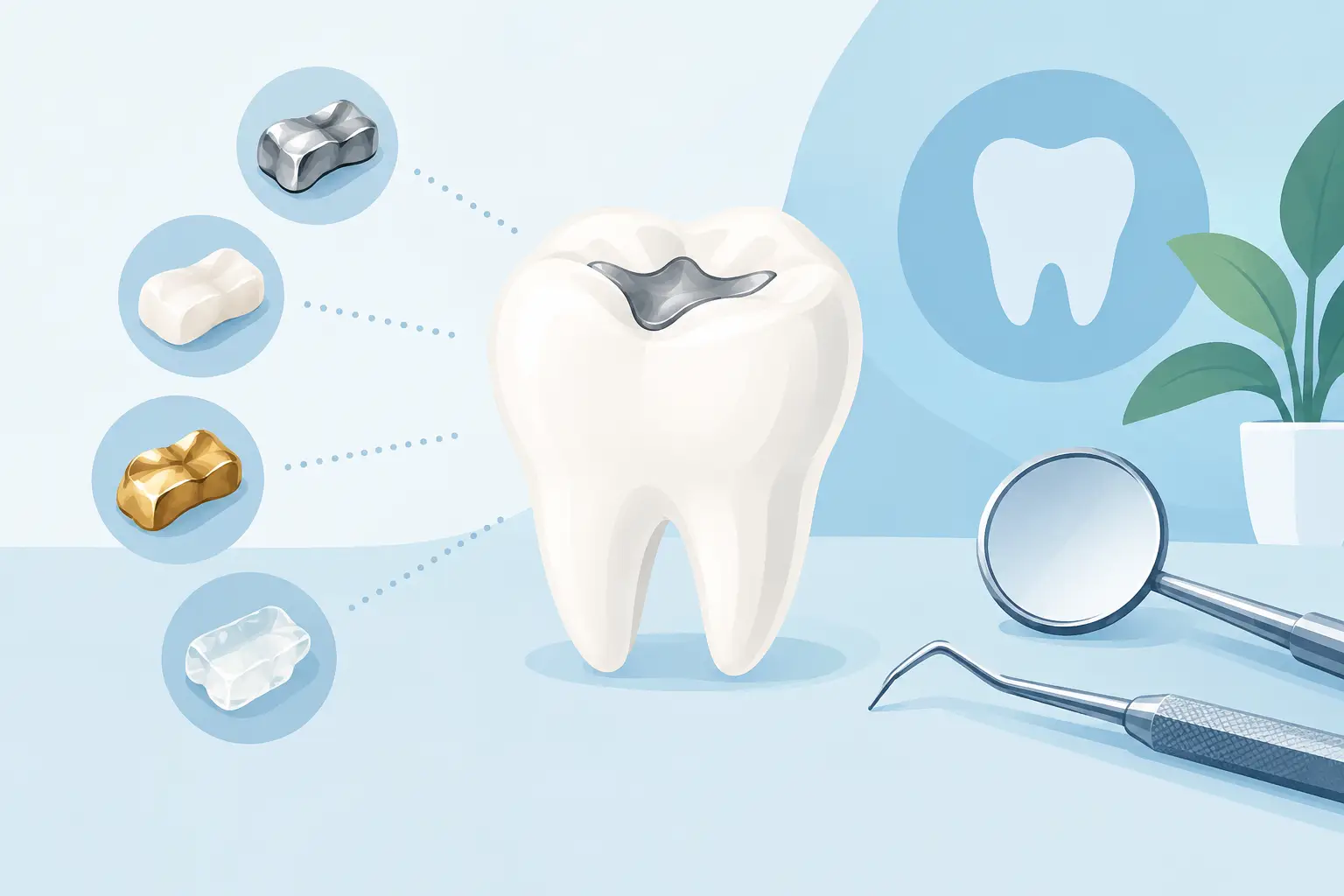
Guide to Tooth Filling Materials and Choices
A cavity can be small, but the decision about how to restore it can feel surprisingly personal. This guide to tooth filling materials helps you understand what goes into that choice, from the location and size of the cavity to how you want the tooth to look, function, and hold up over time.
At Star Dental Group, the goal is not to recommend the same material for every patient. A back tooth that handles heavy chewing needs different support than a visible front tooth. Your dentist will examine the tooth, discuss your priorities, and recommend an option that balances long-term oral health, appearance, and budget.
Why the Filling Material Matters
A filling replaces the portion of a tooth damaged by decay, a crack, or a worn-out restoration. It seals the area after decay is removed and helps the tooth return to normal function. The material matters because teeth experience constant pressure from chewing, temperature changes from food and drinks, and exposure to bacteria.
The best choice depends on more than whether a material is tooth-colored. Your dentist considers how much healthy tooth structure remains, whether the tooth is in a high-pressure chewing area, the size of the restoration, your bite, and your history of cavities. Cost and insurance coverage can also influence the decision, especially when multiple appropriate options are available.
For very small cavities, a direct filling may be all that is needed. When damage is more extensive, an inlay, onlay, or crown may protect the tooth more effectively than a large filling. Preserving a tooth is always the priority, but giving it the right level of support is equally important.
Guide to Tooth Filling Materials: Your Main Options
Composite resin
Composite resin is a tooth-colored material made from a blend of resin and fine glass-like particles. It is one of the most common choices for visible areas because it can be matched closely to the natural shade of your teeth. Composite can be used on front teeth and many back teeth, making it a versatile option for patients who want a natural-looking result.
A dentist places composite in layers, shapes it to the tooth, and hardens it with a curing light. Because it bonds directly to the tooth, it can often allow for a more conservative restoration than materials that need additional mechanical retention.
Composite is strong, but it may wear or stain over time, particularly for patients who grind their teeth, chew ice, or frequently consume coffee, tea, red wine, or tobacco products. Large composite fillings in heavy-chewing areas can also be more likely to need repair than a stronger indirect restoration. With good home care and regular exams, many composite fillings provide years of service.
Dental amalgam
Dental amalgam is a silver-colored filling material that has been used in dentistry for many years. It is known for durability and can be a practical option for certain back-tooth restorations, especially where appearance is not the primary concern.
Its biggest drawback is visibility. Amalgam does not blend with natural enamel, and it may darken in appearance as time passes. It can also require the dentist to shape the tooth differently to help retain the filling. While amalgam remains an option in appropriate situations, many patients now prefer tooth-colored alternatives for cosmetic reasons.
People who are pregnant, planning pregnancy, nursing, or have certain health considerations should talk openly with their dentist about filling options. The right recommendation should be based on your individual health history and the condition of the tooth, not a one-size-fits-all rule.
Ceramic fillings and porcelain restorations
Ceramic, often called porcelain, is an excellent choice when a tooth needs a larger restoration and appearance matters. Ceramic inlays and onlays are custom-made outside the mouth, then bonded to the prepared tooth. They can closely resemble natural enamel in color and translucency while offering strong resistance to staining.
An inlay fits within the chewing surface of a tooth. An onlay covers one or more cusps, which are the raised points on a back tooth. These restorations are often recommended when a cavity or old filling is too large for a standard direct composite but the tooth does not yet require a full crown.
Ceramic restorations generally cost more than direct fillings and may require more than one appointment, depending on the technology used. However, for the right tooth, they can offer a durable and highly aesthetic result. They are particularly valuable when replacing a large, failing filling in a visible smile zone or a heavily used back tooth.
Gold restorations
Gold is a highly durable material that has a long history in restorative dentistry. It is gentle on opposing teeth, withstands chewing forces well, and can last for many years with proper care. Gold is usually used for indirect inlays or onlays rather than a simple same-day filling.
The trade-off is clear: gold is noticeable and typically more expensive than other options. Some patients appreciate its longevity and distinctive appearance, while others prefer a restoration that blends into their smile. It is less commonly requested today, but it remains a reliable option in select cases.
Glass ionomer
Glass ionomer is a tooth-colored material that can release fluoride over time. That quality may help support teeth that are at higher risk for recurring decay. Dentists often use it in areas with lower biting pressure, such as small restorations near the gumline, temporary restorations, or certain pediatric treatments.
It is generally not as strong or wear-resistant as composite, ceramic, or amalgam for large chewing surfaces. Still, it serves an important purpose when fluoride release, moisture tolerance, or the location of the cavity makes it a sensible choice.
How Dentists Choose the Right Material
A filling should fit your mouth, not simply follow a trend. During an exam, your dentist evaluates the cavity with X-rays and a clinical assessment. They look for decay between teeth, cracks around older fillings, weakened cusps, gum health, and signs of grinding or clenching.
The location of the tooth is often a deciding factor. A small cavity on a front tooth may be ideal for composite because appearance is highly visible and chewing pressure is lower. A large restoration on a molar may call for an onlay or crown if too much of the tooth is missing. Placing an oversized filling where stronger protection is needed can leave the tooth vulnerable to fracture.
Your habits matter as well. If you clench or grind your teeth at night, a durable material and a custom night guard may help protect both your filling and the surrounding enamel. If dry mouth, frequent snacking, or a history of repeated cavities is a concern, the dentist may discuss preventive steps alongside the restoration itself.
What to Expect During a Filling Appointment
Most filling appointments begin with local anesthetic to keep you comfortable. After the tooth is numb, the dentist removes decay or old damaged material, cleans the area, and prepares the tooth for the chosen restoration. For a composite filling, the material is placed, shaped, hardened, and polished during the same visit.
You may have temporary sensitivity to cold, heat, or pressure after treatment, especially if the cavity was deep. This usually improves as the tooth settles. Contact your dental office if sensitivity becomes severe, lasts longer than expected, or if your bite feels uneven. A filling that feels high when you bite can often be adjusted quickly.
Caring for a New Filling
A filling does not make a tooth immune to future decay. Brush twice daily with fluoride toothpaste, clean between your teeth every day, and keep regular dental visits. These habits help protect the edges where the filling meets the natural tooth, which is a common place for recurrent decay to begin.
Avoid chewing hard objects such as ice, pen caps, or hard candy. If you notice a sharp edge, a crack, food trapping around a filling, or a tooth that suddenly becomes sensitive, schedule an evaluation rather than waiting for discomfort to worsen.
The right filling material is the one that protects your tooth while fitting your needs, priorities, and smile. A thoughtful conversation with your dentist can turn a routine repair into a long-term investment in comfortable, confident oral health.

