


Do Fillings Hurt? What to Expect at Your Visit
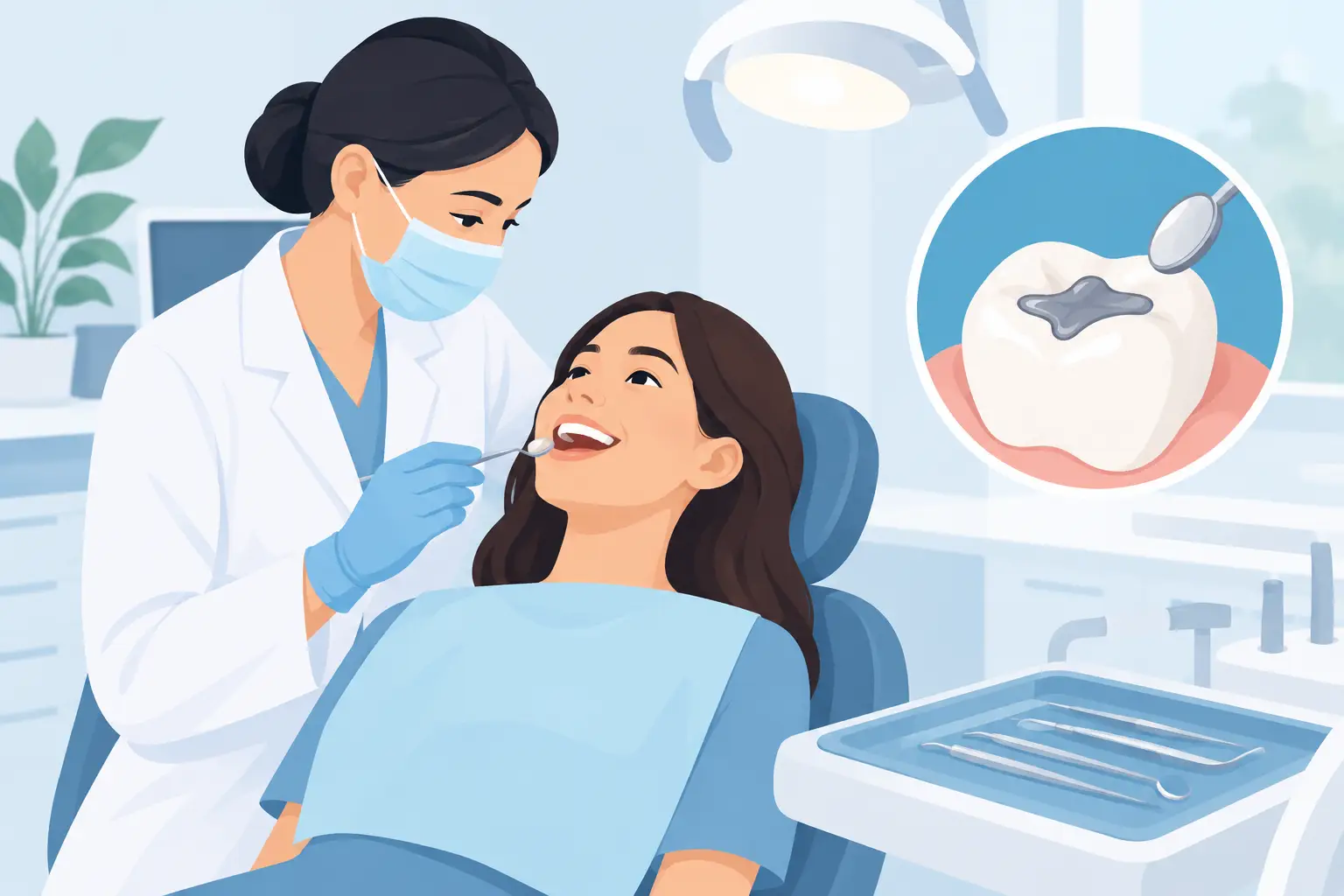
A cavity can feel easy to put off when you are worried about the appointment. If you are asking, do fillings hurt, the reassuring answer is that a filling procedure is usually comfortable with modern local anesthetic. Most patients feel pressure, vibration, and water during treatment, not sharp pain.
A filling is one of the most common ways to stop decay before it reaches the inner nerve of a tooth. Addressing a small cavity now can often mean a shorter, simpler visit and help you avoid the more significant discomfort, time, and cost that can come with an untreated infection.
Do fillings hurt during the procedure?
Your dental team begins by making sure the area is numb. A topical numbing gel may be applied to the gum before the local anesthetic injection, which helps reduce the sensation of the needle. You may feel a brief pinch or pressure at that point, but the injection itself is typically over quickly.
Once the anesthetic takes effect, your dentist tests the area before beginning. If you feel anything sharp, say so right away. There is no need to push through discomfort. More anesthetic can be provided, and treatment should not continue until you are comfortable.
During the filling, the most noticeable sensations are usually the sound and vibration of the dental handpiece, pressure as the decay is removed, and water used to keep the tooth cool and clean. These sensations can feel unfamiliar, especially if it has been years since your last filling, but they are not the same as pain.
For patients with dental anxiety, knowing what is happening can make the visit feel much easier. Let the team know if you are nervous, have had a difficult dental experience in the past, or need a break during treatment. A caring office will explain each step, check on your comfort, and help you feel in control.
Why a tooth may hurt before a filling
A cavity can cause sensitivity to sweets, cold drinks, hot foods, or biting pressure. Decay weakens the protective enamel layer and moves closer to the softer tissue inside the tooth. That is why a tooth may ache before treatment even though the filling itself is comfortable with proper numbing.
Not every cavity hurts. In fact, many early cavities have no obvious symptoms at all. Regular exams and X-rays help find areas of decay before they turn into painful problems. If a tooth is already throbbing, wakes you at night, or hurts without a clear trigger, the decay may be deep enough that additional treatment could be needed.
The depth and location of the cavity matter. A small filling on an easy-to-reach surface is often straightforward. A larger cavity between teeth, near the gumline, or close to the nerve can require more time and may cause more temporary sensitivity afterward. Your dentist can explain what they see and recommend the treatment that protects the tooth as conservatively as possible.
What does a filling feel like afterward?
Numbness commonly lasts for a few hours after the appointment. Until it wears off, avoid chewing on the treated side and be careful with hot drinks. It is easy to accidentally bite your cheek, lip, or tongue when you cannot fully feel them.
When the numbness fades, mild tenderness around the injection site or treated tooth is normal. You may also notice temporary sensitivity to cold, heat, sweets, or pressure when chewing. This often improves over several days and can sometimes take a couple of weeks to settle, particularly after a deep filling.
A nonprescription pain reliever may help if it is safe for you to take based on your medical history and your doctor’s directions. Choose softer foods for the first day if the tooth feels tender, and brush and floss as usual unless your dentist gives you different instructions. Keeping the area clean supports healthy gums and helps prevent new decay around the filling.
Your bite should feel natural
One of the most common reasons a new filling feels uncomfortable is that it is slightly high when you bite down. Even a very small difference can make a tooth feel sore or create pain when chewing. Your bite should feel balanced, not as if that tooth touches first.
If your bite feels off after the numbness has worn away, call the office. A simple adjustment can often solve the issue quickly. Do not assume you need to wait it out if chewing is uncomfortable.
When pain after a filling needs attention
Mild sensitivity that gradually gets better is usually part of the healing process. Pain that is severe, getting worse, or lasting beyond a reasonable recovery period deserves a call to your dentist. A tooth can sometimes have deeper inflammation than expected, particularly when decay was close to the nerve.
Contact your dental office if you have persistent throbbing, swelling, fever, pain that keeps you awake, sharp pain when biting, or sensitivity that lingers long after hot or cold food is gone. These symptoms do not always mean a serious problem, but they should be evaluated promptly. A high filling, cracked tooth, irritated nerve, or infection may need further care.
It is also wise to call if a filling feels rough, chips, falls out, or traps food. Modern tooth-colored fillings are durable, but they still need occasional monitoring during routine exams.
How to make your filling appointment more comfortable
A few simple choices can reduce stress before you arrive. Eat a light meal beforehand unless you have been given other instructions, since chewing may be inconvenient while you are numb. Wear comfortable clothing and plan a little extra time afterward rather than rushing back to a demanding task.
Be honest about medications, health conditions, pregnancy, allergies, and past reactions to dental anesthetic. This helps your dentist select the safest approach for you. It is also helpful to describe your symptoms clearly: what triggers the pain, how long it lasts, and whether it happens while chewing or at rest.
If sounds or sensations make you anxious, ask whether you can use headphones or agree on a hand signal for a pause. Small details can change the entire experience. Comfortable care is not only about the numbing medicine. It is also about feeling heard throughout the visit.
Treating a cavity sooner is usually easier
Waiting for a cavity to hurt can turn a manageable filling into a larger restoration, root canal treatment, or extraction. Decay does not repair itself, and pain can arrive suddenly once the nerve becomes involved. Early care is generally less invasive and preserves more of your natural tooth.
At Star Dental Group, patients in Rancho Cucamonga can receive comprehensive care in one place, from routine exams and tooth-colored fillings to more advanced restorative treatment if needed. If cost or anxiety has delayed your visit, ask about your options before assuming care is out of reach.
A filling appointment should leave you feeling relieved that the problem has been handled, not fearful of your next dental visit. If you have a sensitive tooth or suspect a cavity, scheduling an evaluation now can provide clear answers and a comfortable path forward.

