


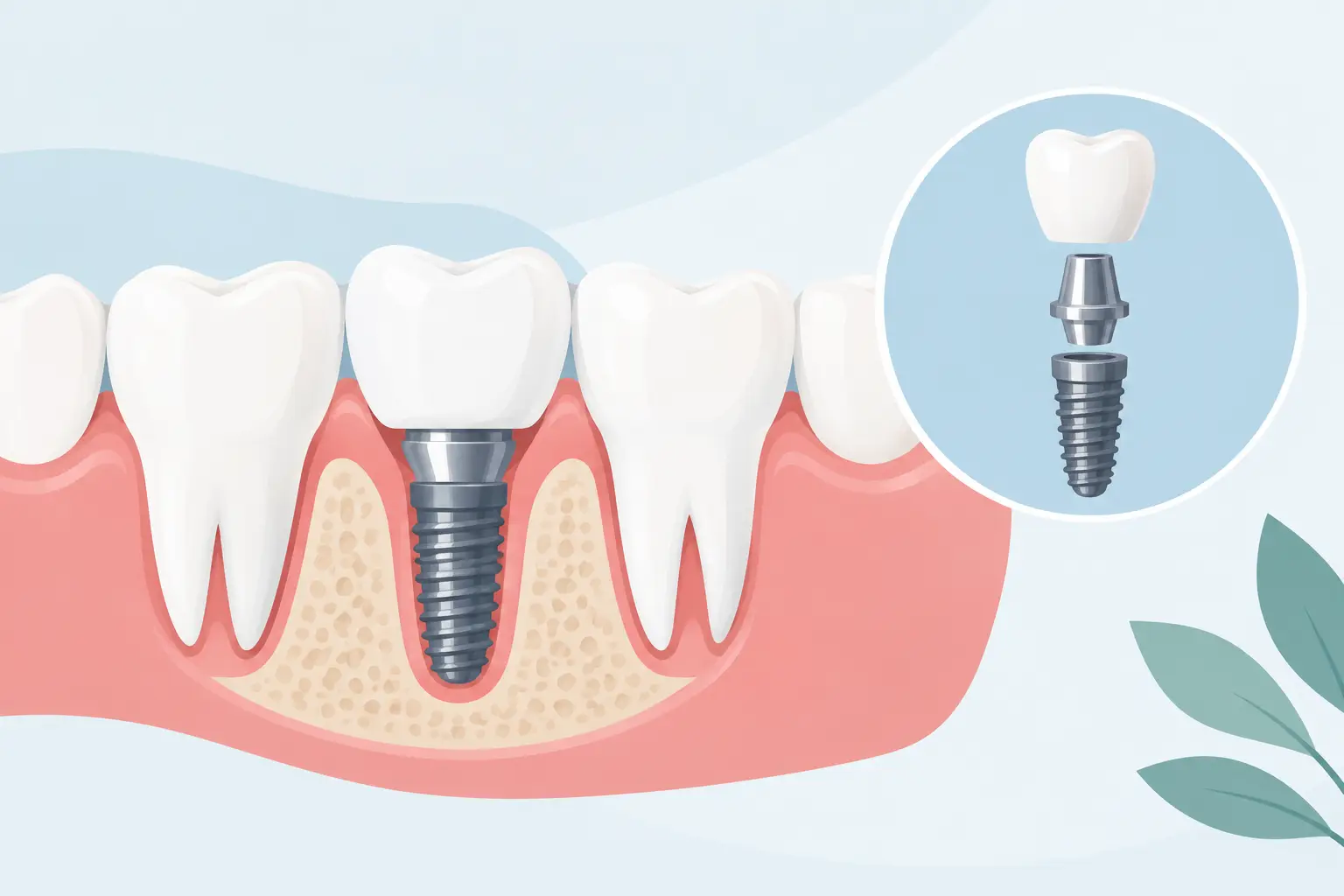
Single Tooth Implant Example for a Missing Tooth
A missing tooth can change more than a smile. It can make chewing feel uneven, affect confidence in photos, and allow nearby teeth to slowly shift into the open space. This single tooth implant example shows how a carefully planned implant can replace one missing tooth with a result designed to look, feel, and function much like a natural tooth.
For many patients, an implant is not about chasing a perfect smile. It is about being able to eat comfortably, speak naturally, and stop worrying about a visible gap. The right treatment plan depends on your health, bone support, bite, and goals, but seeing a realistic example makes the process easier to understand.
A Single Tooth Implant Example From Start to Finish
Imagine a patient who lost an upper premolar after an old filling cracked and the tooth could no longer be saved. A premolar sits toward the side of the smile, but it does a great deal of work when chewing. Leaving the space open could cause the teeth around it to drift, while the opposing tooth may begin to move downward over time.
At the first visit, the dental team examines the tooth, gums, bite, and surrounding teeth. Digital X-rays and, when appropriate, 3D imaging help show the amount of bone available and the location of important structures. This planning stage matters because an implant is not simply placed where the old tooth was. It must be positioned at the correct angle and depth to support a natural-looking crown and a healthy bite.
If the damaged tooth is still present, it is gently removed. In some cases, the implant can be placed on the same day as extraction. In others, the area needs time to heal first, especially if there is infection, significant bone loss, or gum inflammation. Same-day treatment can be convenient, but it is not automatically the best choice for every patient.
The implant placement appointment
Once the site is ready, the dentist places a small titanium implant post into the jawbone. This post acts as the replacement tooth root. Local anesthesia is used to keep the procedure comfortable, and sedation options may be discussed for patients who feel anxious about dental treatment.
Most people are surprised that the placement itself is often more manageable than expected. Mild soreness, swelling, or tenderness for several days is common. Following the post-treatment instructions, eating softer foods initially, and maintaining gentle oral hygiene can support a smooth recovery.
Over the next several months, the jawbone heals around the implant in a process called osseointegration. This is the foundation of implant treatment. The implant needs a stable connection with the bone before it receives the full force of chewing.
Depending on the location and stability of the implant, the patient may wear a temporary tooth during healing. A temporary is especially helpful when the missing tooth is visible in the smile. It is made to look natural, but it should not be treated like a permanent tooth or used for biting into hard foods.
The final crown
After healing is complete, the dentist attaches a small connector called an abutment and takes a digital or traditional impression for the final crown. The crown is designed to blend with the nearby teeth in shape, shade, and size. It is also adjusted so it meets the opposing teeth properly when the patient bites.
In this example, the final restoration fills the gap without relying on the neighboring teeth for support. That is a key difference between a single implant crown and a traditional dental bridge. A bridge can be an excellent option in some situations, but it typically requires preparing the teeth beside the missing space. An implant stands independently.
What Makes an Implant Result Look Natural?
A natural-looking implant involves more than matching the color of the crown. The gumline, crown proportions, bite, and placement all play a role. An implant that is too large, too small, or poorly positioned can look out of place and may be harder to keep clean.
For a front tooth, aesthetics are especially detailed. The dentist may spend more time planning the gum contour and temporary crown so the final result complements the smile. For a back tooth, chewing strength and bite balance may take priority. Both situations require thoughtful treatment planning, but the clinical priorities can differ.
At Star Dental Group, implant planning can be coordinated alongside general, restorative, and cosmetic dental care. That can be helpful for patients who need more than one service, such as treating gum disease, replacing older restorations, or improving the appearance of nearby teeth before selecting the final crown shade.
Does Every Missing Tooth Need an Implant?
No. A single dental implant is often a strong long-term option, but it is not the only option. A fixed bridge, removable partial denture, or in some cases leaving a space unchanged may be considered based on the tooth location, overall health, budget, and personal preferences.
An implant may need additional preparation when the jawbone has lost volume after a tooth was removed. Bone grafting can help create a stable foundation, but it may add healing time and cost. Patients with uncontrolled gum disease, certain medical conditions, or heavy tobacco use may need to address those factors before moving forward.
The best choice is not always the fastest option. It is the option that supports your oral health, fits your goals, and makes sense for your individual situation.
How Long Does a Single Tooth Implant Take?
The timeline varies. Some patients can have an extraction and implant placement during the same appointment, while others need healing time between each stage. From the first consultation to the final crown, treatment may take several months. If grafting or more extensive healing is needed, it can take longer.
That timeline can feel frustrating when you want the gap repaired quickly. However, giving the bone and gums enough time to heal can make a meaningful difference in the stability and appearance of the final result. Your dentist can explain whether a temporary tooth is appropriate while the implant heals.
What About Cost and Insurance?
The cost of a single tooth implant is based on the full treatment plan, not just the implant post. It may include imaging, extraction, grafting if needed, the implant, abutment, temporary restoration, and final crown. Because every mouth is different, a consultation and exam are the only reliable way to receive an accurate estimate.
Dental insurance benefits for implants vary widely. Some plans may contribute toward portions of treatment, such as an extraction or crown, while others provide limited implant coverage. Patients without insurance should ask about available payment options and discounts. Understanding the complete plan upfront helps prevent surprises later.
Questions to Ask at Your Implant Consultation
A consultation should leave you with clear answers, not pressure. Ask whether you have enough healthy bone for an implant, whether the tooth can be replaced immediately or needs healing first, and what type of temporary tooth may be available. You can also ask how the crown will be matched to your surrounding teeth and what maintenance will be needed over time.
Daily care for an implant crown is similar to caring for natural teeth: brush thoroughly, clean between teeth as recommended, and keep regular dental visits. An implant cannot develop a cavity, but the surrounding gums and bone still need protection. Gum inflammation around an implant can affect its long-term health.
A missing tooth does not have to become a lasting compromise. A personalized consultation can show whether an implant is right for your smile and give you a clear path toward eating, speaking, and smiling with greater comfort again.

