


Your Free Consultation for Dental Treatment
Putting off a dental visit is rarely about not caring about your smile. More often, it is the uncertainty: Will treatment hurt? How much will it cost? Can one office handle everything you need? A free consultation for dental treatment gives you a practical place to start, with no pressure to commit before you understand your options.
For patients in Rancho Cucamonga and the Inland Empire, that conversation can be the first step toward relief from a painful tooth, a more confident smile, or a realistic plan to catch up on years of delayed care. Whether you need a simple checkup, are considering dental implants, or want cosmetic improvements, the goal is the same: clear answers and care built around you.
What Happens at a Free Dental Consultation?
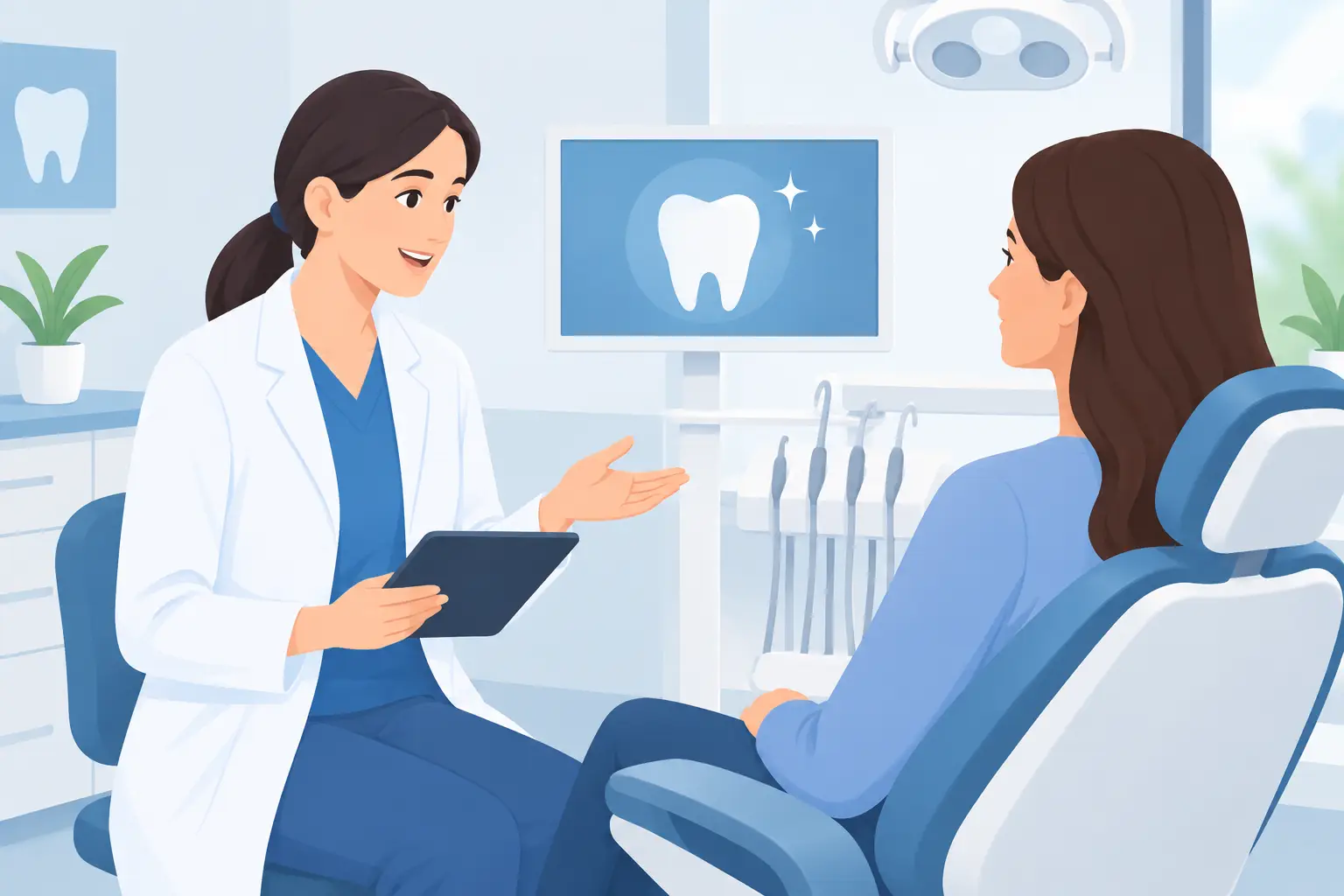
A consultation is a conversation focused on your concerns, goals, and possible next steps. It is not a test of whether you have done enough for your teeth, and it should never feel like a sales pitch. You can explain what is bothering you, ask questions, and learn which treatments may make sense for your oral health, comfort, schedule, and budget.
You may be visiting because of tooth pain, broken dental work, missing teeth, crowding, discoloration, or a smile you have never felt fully comfortable showing. You may also simply know that it has been too long since your last appointment. All of those are valid reasons to come in.
Depending on your needs, the dental team may discuss an examination, digital imaging, periodontal evaluation, or other diagnostic steps needed to make accurate recommendations. A consultation helps establish direction, but responsible dentistry requires a complete assessment before a final treatment plan can be confirmed. The exact services included can vary based on your situation, so it is always reasonable to ask what the appointment covers when you schedule.
At Star Dental Group, patients can discuss general, restorative, cosmetic, implant, and orthodontic needs in one location. That matters when several concerns are connected. For example, a missing tooth can affect chewing and alignment, while worn or damaged teeth may require both restorative care and cosmetic planning.
A Free Consultation for Dental Treatment Should Bring Clarity
Dental decisions can feel overwhelming when the recommendation includes more than one procedure. A good consultation breaks the conversation into manageable parts. Rather than hearing a long list of dental terms, you should leave with a clearer understanding of what needs attention now, what can be monitored, and what may be elective.
Start with your priorities
There is no single right starting point for every patient. If you have pain, swelling, infection, or a damaged tooth, protecting your health and relieving discomfort usually comes first. If your primary concern is appearance, you may want to discuss whitening, veneers, bonding, orthodontics, or a smile makeover.
For some patients, the best plan begins with foundational care such as a cleaning, gum treatment, or replacement of failing restorations. Cosmetic treatment can often follow once the smile is healthy and stable. In other cases, cosmetic and functional goals can be planned together. The right sequence depends on your oral health, timeline, and desired outcome.
Understand your treatment choices
Many dental concerns have more than one possible solution. A missing tooth, for instance, may be addressed with a dental implant, a bridge, or a removable option. Each approach has different benefits, time requirements, maintenance needs, and costs.
An implant may offer a durable, natural-feeling replacement option, but it can require healing time and may not be right for every patient without additional preparation. A bridge may be a suitable choice when neighboring teeth already need restoration. The value of a consultation is not being told that one option fits everyone. It is learning why a particular recommendation fits your mouth and your goals.
The same is true for orthodontics, veneers, crowns, and full-mouth rehabilitation. Ask what result each option is designed to achieve, how long it generally takes, what maintenance is involved, and what happens if you wait. Straightforward answers help you make decisions with confidence.
Talk openly about cost and timing
Cost concerns should be part of the conversation from the beginning, not an uncomfortable surprise after treatment has been recommended. Let the office know if you are uninsured, working within a set budget, planning around a major life event, or hoping to phase care over time.
A comprehensive plan does not always mean every procedure must happen at once. When clinically appropriate, treatment may be prioritized in stages. Urgent health needs can be handled first, followed by restorative or cosmetic care later. This approach can make larger treatment plans feel more manageable while keeping your long-term goals in view.
Patients should also ask about available payment arrangements, insurance guidance, and discounts for uninsured patients or seniors. Affordable care is not about cutting corners. It is about understanding the full picture and choosing a path that supports both your health and your household budget.
Questions Worth Asking During Your Visit
You do not need to know dental terminology to have a productive consultation. The most useful questions are often the simplest ones: What is causing this problem? Is it urgent? What are my options? What do you recommend and why?
It can also help to ask whether there are less extensive alternatives, how treatment may feel, how many visits may be needed, and what recovery could look like. If you have dental anxiety, say so. A caring team wants to know what makes appointments difficult for you, whether that is fear of discomfort, a sensitive gag reflex, past negative experiences, or simply uncertainty about procedures.
For cosmetic care, bring up what you want to change and what you want to preserve. You may want a brighter smile that still looks natural, straighter teeth without an artificial appearance, or replacement teeth that blend with your facial features. Photos or examples can help communicate your preferences, but your dentist should also explain what is realistic for your unique smile.
If you are considering implants or extensive restorative work, ask how your bite, gum health, and remaining teeth affect the plan. Comprehensive dentistry looks beyond a single tooth because a result that looks good also needs to function comfortably over time.
Who Benefits from a Consultation?
A free consultation can be useful for someone facing a specific concern, but it is equally valuable for patients who are unsure where to begin. Parents may want to establish a reliable dental home for the family. Seniors may be exploring options for loose dentures, missing teeth, or worn restorations. Working adults may need flexible planning around busy schedules. Patients who have avoided the dentist for years may need a calm, judgment-free first conversation.
It is also a smart step before committing to elective treatment. If you are thinking about veneers, teeth whitening, orthodontics, or a complete smile transformation, a consultation helps separate what is possible from what is advisable. A beautiful result should support healthy teeth and gums, not work around unresolved problems.
Patients with complex needs often benefit most from a multi-specialty office. Coordinating care in one place can reduce the frustration of repeated referrals and disconnected treatment plans. Still, complexity does not always mean treatment has to be complicated. A thoughtful plan can make each step understandable.
How to Prepare Without Overthinking It
You do not need extensive preparation. Write down your main concerns, any medications you take, and questions you do not want to forget. If you have recent dental records or imaging from another office, ask whether they would be helpful to bring or send ahead.
Be honest about your timeline and budget. There is no advantage to pretending that time, fear, or finances are not factors. These details allow the team to discuss options that fit real life, not an idealized plan.
Most of all, give yourself permission to ask for an explanation in plain language. You deserve to understand what is happening in your mouth and what each recommendation means before deciding how to move forward.
A consultation does not obligate you to choose treatment that day. It gives you a chance to replace uncertainty with a plan, ask the questions you have been carrying, and take one comfortable step toward a healthier, more confident smile.

