


How to Stop Bleeding Gums at Home and When to Call
Seeing pink in the sink after brushing can be unsettling, especially if it happens more than once. Knowing how to stop bleeding gums starts with understanding that bleeding is usually a sign of irritation, not something to brush off or simply cover up. In many cases, consistent home care helps. But gums that keep bleeding need professional attention before a small problem becomes more complicated.
Why gums bleed in the first place
The most common cause is plaque buildup along and below the gumline. Plaque is a sticky film of bacteria that forms every day. When it is not thoroughly removed, the gums can become inflamed, tender, swollen, and likely to bleed during brushing or flossing. This early stage of gum disease is called gingivitis.
Bleeding can also happen when someone starts flossing again after a long break. That does not mean flossing is harming healthy gums. Often, it means the gums were already inflamed and are reacting to cleaning around the teeth. With gentle, daily flossing, mild bleeding from gingivitis often improves within one to two weeks.
Other possible contributors include brushing too hard, using a worn-out toothbrush, poor-fitting dental work, hormonal changes, dry mouth, smoking or vaping, certain medications, and medical conditions that affect clotting. Pregnancy can also make gums more sensitive to plaque. The cause matters because the right solution is not always the same for every patient.
How to stop bleeding gums with better daily care
If the bleeding is mild and appears only when you brush or floss, begin by improving your cleaning routine rather than stopping it. Avoid aggressive scrubbing. Bleeding gums need careful cleaning, not less cleaning.
Use a soft brush and a gentle technique
Choose a soft-bristled toothbrush or an electric brush with a pressure sensor. Hold the brush at a slight angle toward the gumline and use small, gentle motions. Spend about two minutes brushing, including the inside surfaces of the teeth and the back molars, where plaque often collects.
Hard bristles and forceful brushing can irritate gum tissue and wear away enamel near the gumline. If your toothbrush bristles are flattened or frayed, replace it. A good rule is every three months, or sooner if the brush looks worn.
Floss once a day, even if there is some bleeding
Slide floss gently between each tooth, curve it into a C shape against the tooth, and move it up and down just under the gumline. Do not snap the floss into the gums. If traditional string floss is difficult because of crowded teeth, bridges, braces, or limited hand mobility, a floss holder, water flosser, or interdental brush may be easier to use consistently.
The best option is the one you will actually use correctly every day. A water flosser can be a helpful addition, but it may not fully replace floss for every person or every tight contact between teeth.
Consider an antimicrobial rinse
An over-the-counter antiseptic mouth rinse may help reduce bacteria and freshen breath as part of a complete routine. Look for an alcohol-free option if your mouth feels dry or sensitive. Rinsing is useful, but it cannot remove hardened tartar or replace brushing between the teeth.
Your dentist may recommend a prescription rinse for more significant inflammation. Use prescription products exactly as directed, since some are intended for short-term use and may cause staining with prolonged use.
Support your gums beyond the bathroom sink
Hydration, balanced meals, and limiting sugary snacks can support oral health. Vitamin C deficiency is uncommon for many people, but a diet low in fruits and vegetables can affect gum tissue and healing. Smoking and vaping also make gum disease harder to detect and treat because they can change how the gums look and respond.
If you smoke or vape, reducing or quitting is one of the most meaningful steps you can take for your gums, teeth, and overall health. It is not always easy, but dental care works better when the tissues have a chance to heal.
What not to do when your gums are bleeding
Do not stop brushing or flossing because you see blood. This can allow more plaque to build up, which may increase inflammation and bleeding. Do not scrub the area harder, either. Think thorough and gentle.
Avoid using aspirin directly on the gums or teeth. It can burn soft tissue and does not treat the source of the bleeding. Saltwater rinses can feel soothing for minor irritation, but they are not a cure for gum disease. They should not delay a dental visit when bleeding continues.
Also be cautious with online remedies that promise to cure gum disease overnight. Oils, powders, and harsh whitening products may irritate already inflamed gums. A professional exam is the safest way to identify what is happening below the gumline.
When bleeding gums mean it is time for a dental visit
Mild bleeding that improves after a week or two of careful brushing and daily flossing may be related to early inflammation. If it persists, returns frequently, or happens without brushing, schedule a dental exam. Gum disease can progress quietly, and it may not be painful in its early stages.
Make an appointment sooner if you notice persistent bad breath, swollen gums, gum recession, pus around a tooth, loose teeth, pain when chewing, or changes in the way your teeth fit together. These can point to more advanced gum infection, also called periodontitis. At that stage, home care is still essential, but professional cleaning and treatment are needed to control the disease.
At a dental visit, your care team can measure the spaces between your teeth and gums, check for tartar buildup, evaluate existing fillings or crowns, and take X-rays if appropriate. Treatment may range from a routine professional cleaning to a deeper cleaning below the gumline. The recommendation depends on the condition of your gums, not just how much blood you saw that morning.
For patients who have delayed care because of anxiety, cost, or a busy family schedule, it helps to know that early treatment is generally simpler than waiting for symptoms to worsen. A supportive dental office should explain what it sees, discuss your options clearly, and help you build a plan that fits your needs.
When to seek urgent medical help
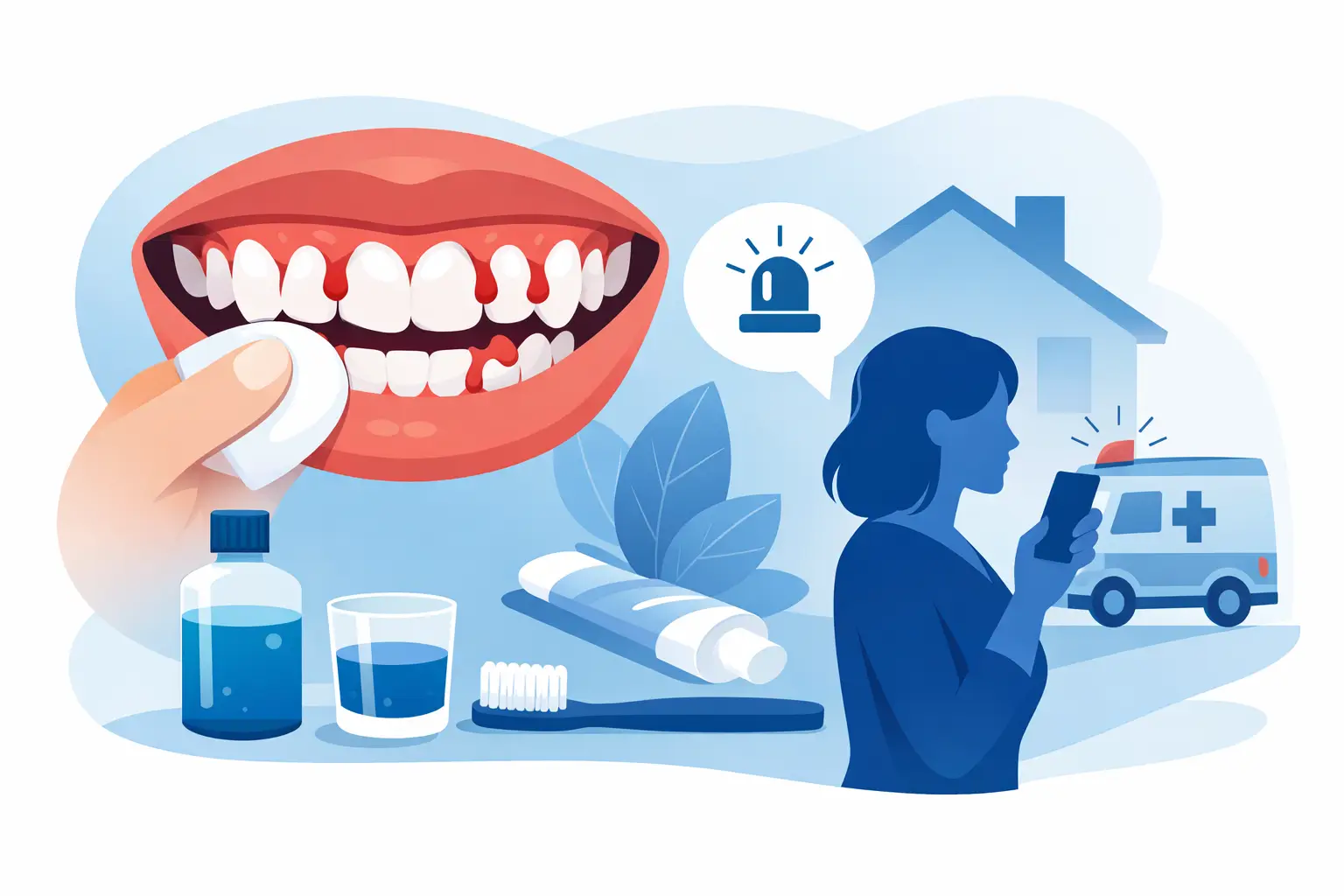
Bleeding gums from plaque-related inflammation is common, but heavy or uncontrolled bleeding is not something to manage at home. Seek urgent medical care if bleeding will not stop after applying gentle pressure with clean gauze, if it follows a significant injury, or if it comes with dizziness, weakness, trouble breathing, or unusual bruising.
You should also contact your physician or dentist promptly if you take blood thinners and develop new or excessive gum bleeding. Do not stop prescribed medication on your own. Your medical and dental teams can coordinate the safest next step.
Professional gum care close to home
A cleaning is more than a polish. It removes plaque and tartar in places that even excellent brushing cannot fully reach, while giving your dental team a chance to spot early changes in your gums. Regular visits also make it easier to address cavities, damaged restorations, bite concerns, or cosmetic goals before they demand more extensive care.
At Star Dental Group, patients in Rancho Cucamonga can receive preventive care, periodontal evaluation, restorative treatment, and smile-focused services in one practice. That can be particularly helpful when bleeding gums are part of a larger oral health picture rather than an isolated issue.
Healthy gums should not routinely bleed when you brush, floss, or eat. Give your routine a fair, gentle reset, then listen to what your gums are telling you. If the bleeding continues, a timely dental exam can provide clear answers and a practical path back to a comfortable, healthier smile.

