


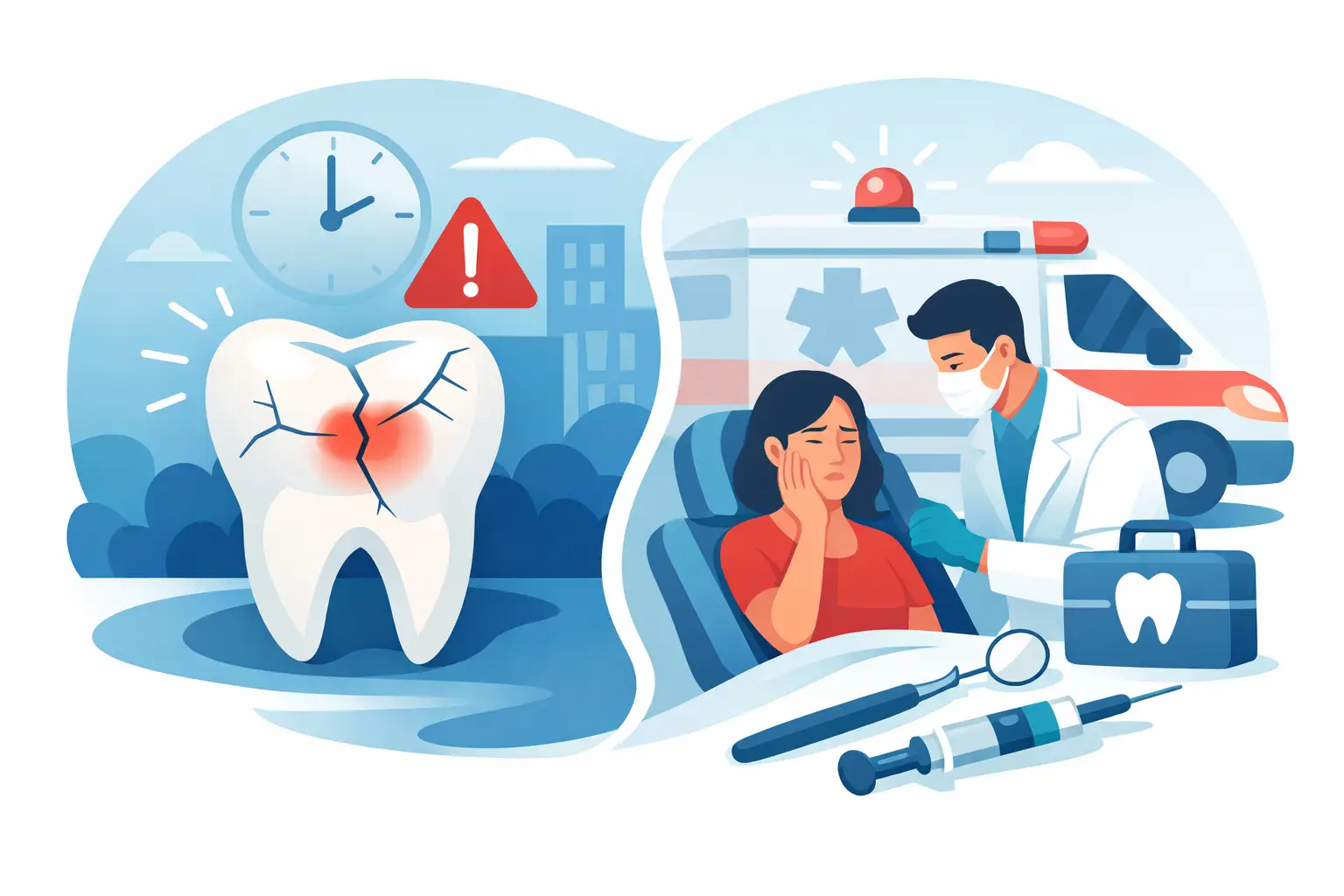
When You Need an Emergency Dentist Right Away
A toothache that keeps you awake at 2 a.m. feels very different from the mild sensitivity you meant to mention at your next cleaning. A broken tooth before work, a crown that comes loose during dinner, or a child’s dental injury after a game can quickly turn an ordinary day into a stressful one. Knowing when to call an emergency dentist can help you protect your comfort, your tooth, and your peace of mind.
Dental emergencies are not always dramatic, but they should not be ignored. Prompt care can often relieve pain, prevent infection from spreading, and improve the chance of saving a damaged or knocked-out tooth. For Rancho Cucamonga families and busy professionals, the goal is simple: get clear guidance quickly, then receive the right treatment without unnecessary delays.
What Counts as a Dental Emergency?
A dental emergency is generally a problem involving severe pain, uncontrolled bleeding, an infection, trauma, or damage that needs prompt attention to prevent a more serious issue. Not every dental concern requires same-day care, but waiting on the wrong problem can make treatment more complicated and more expensive.
Severe, persistent tooth pain is one of the most common reasons to seek urgent dental care. The pain may be sharp, throbbing, or made worse by biting, hot foods, or cold drinks. It can be caused by deep decay, a cracked tooth, an abscess, or an irritated nerve. Pain medicine may offer temporary relief, but it does not address the source of the problem.
Swelling in the gums, jaw, cheek, or face also deserves fast attention, particularly if it is accompanied by fever, a bad taste in the mouth, or tenderness around a tooth. These can be signs of an infection. Dental infections need professional treatment because they can worsen quickly when left untreated.
A broken, fractured, or severely chipped tooth may be urgent even when it does not hurt right away. A crack can expose the inner tooth, allow bacteria to enter, or become larger when you chew. A loose or lost filling, crown, bridge, or veneer also warrants a call, especially if the underlying tooth is painful, sharp, or vulnerable to further damage.
When an Emergency Dentist Is the Right Call
An emergency dentist can assess the cause of the problem, relieve discomfort, and determine the most conservative treatment that protects your oral health. Depending on the situation, care may involve treating an infection, repairing a tooth with bonding or a crown, replacing a restoration, stabilizing a loose tooth, or recommending root canal treatment when the nerve inside the tooth is affected.
Dental injuries need prompt attention as well. A tooth that has been knocked out has the best chance of being saved when it is handled correctly and treated as soon as possible. Hold the tooth by the crown, not the root. If it is dirty, gently rinse it with milk or clean water without scrubbing. If possible, place it back in the socket. If that is not possible, keep it moist in milk or saliva and call a dentist immediately.
If a tooth has been pushed out of position, is loose after an injury, or has broken down to the gumline, avoid chewing on that side. Even a small chip after a fall or sports injury should be evaluated if there is pain, sensitivity, or a change in the way the teeth fit together.
Some situations need hospital-level emergency care rather than a dental office. Call 911 or go to the nearest emergency room for trouble breathing or swallowing, rapidly spreading facial swelling, uncontrolled bleeding, a serious head injury, or trauma involving the jaw. Once you are medically stable, a dentist can help address the dental damage.
What to Do Before Your Appointment
The steps you take in the first hour can make a real difference. Stay calm, protect the injured area, and contact a dental office for guidance. Avoid placing aspirin directly on a painful tooth or gum tissue. It can burn the tissue and will not treat the cause of your pain.
Until you are seen, these practical measures can help:
- Rinse gently with warm salt water to clean the area and soothe irritated gums.
- Apply a cold compress to the outside of the cheek for swelling or pain after an injury.
- Use over-the-counter pain medication only as directed on the label, unless your physician has told you not to take it.
- Save any broken tooth pieces, crown, bridge, or filling and bring them to your appointment.
If a crown comes off, do not use household glue to put it back. Store it safely and bring it with you. In some cases, a dentist may be able to recement it. If the tooth underneath is damaged or decayed, a different repair may be the safer option.
For a cracked or broken tooth, cover a sharp edge with dental wax if available and avoid hard, crunchy, sticky, or very hot and cold foods. Chewing on the opposite side may reduce the risk of making the fracture worse.
Why Fast Care Can Save Time and Cost Later
It is understandable to hope a dental problem will settle down on its own, particularly when you are managing work, family responsibilities, or concern about cost. Unfortunately, many urgent dental issues progress rather than resolve. A small cavity that reaches the nerve may require more involved treatment. A loose crown can expose a tooth to decay. An untreated infection can cause escalating pain and swelling.
Getting evaluated promptly does not always mean you will need extensive treatment. Sometimes the solution is straightforward, such as smoothing a sharp edge, replacing a filling, adjusting a bite, or recementing a restoration. The key is having a dentist identify what is happening before the condition becomes more difficult to manage.
Cost is also best discussed early and directly. A caring dental team should explain the findings, treatment options, expected priorities, and fees before moving forward whenever possible. For uninsured patients and seniors, asking about available discounts or payment options can make needed care more manageable. Delaying care because of uncertainty often creates a larger problem than the one you started with.
Emergency Care for Children, Adults, and Seniors
Dental emergencies look different at different ages. Children may have chipped teeth, mouth injuries, or painful decay. Parents should call promptly for guidance, especially if a permanent tooth has been knocked out or a child has swelling, fever, or difficulty eating. A baby tooth that is knocked out should not usually be placed back into the socket, since that can affect the developing permanent tooth.
Adults often experience emergencies involving cracked teeth, old restorations, severe toothaches, or sports-related injuries. Teeth with large fillings, previous root canal treatment, or heavy wear can be more likely to fracture. Nighttime teeth grinding can also place substantial pressure on crowns and natural teeth.
For seniors, dentures, bridges, implants, dry mouth, and medications can add complexity. A broken denture may not be medically dangerous, but it can interfere with eating and speaking. Pain around an implant, a loose restoration, or swelling should be examined promptly rather than managed at home.
Looking Beyond the Immediate Problem
Emergency treatment should focus first on comfort, safety, and preserving your teeth. After the urgent issue is under control, a full evaluation can help identify why it happened and how to reduce the chance of a repeat problem. That may include addressing decay, replacing failing restorations, treating gum disease, protecting teeth from grinding, or discussing a more durable restoration.
This is where a comprehensive practice can be especially helpful. At Star Dental Group, patients can receive care that considers both the immediate concern and the long-term health, function, and appearance of their smile. Whether the next step is general dentistry, restorative treatment, a dental implant consultation, or cosmetic repair, the plan should fit your needs and priorities.
A dental emergency is never convenient, but you do not have to guess your way through it. If pain, swelling, trauma, or a broken restoration is disrupting your day, seek guidance promptly. Acting early gives your smile the best opportunity to heal, function comfortably, and keep moving forward.

