


When Do You Need a Root Canal?
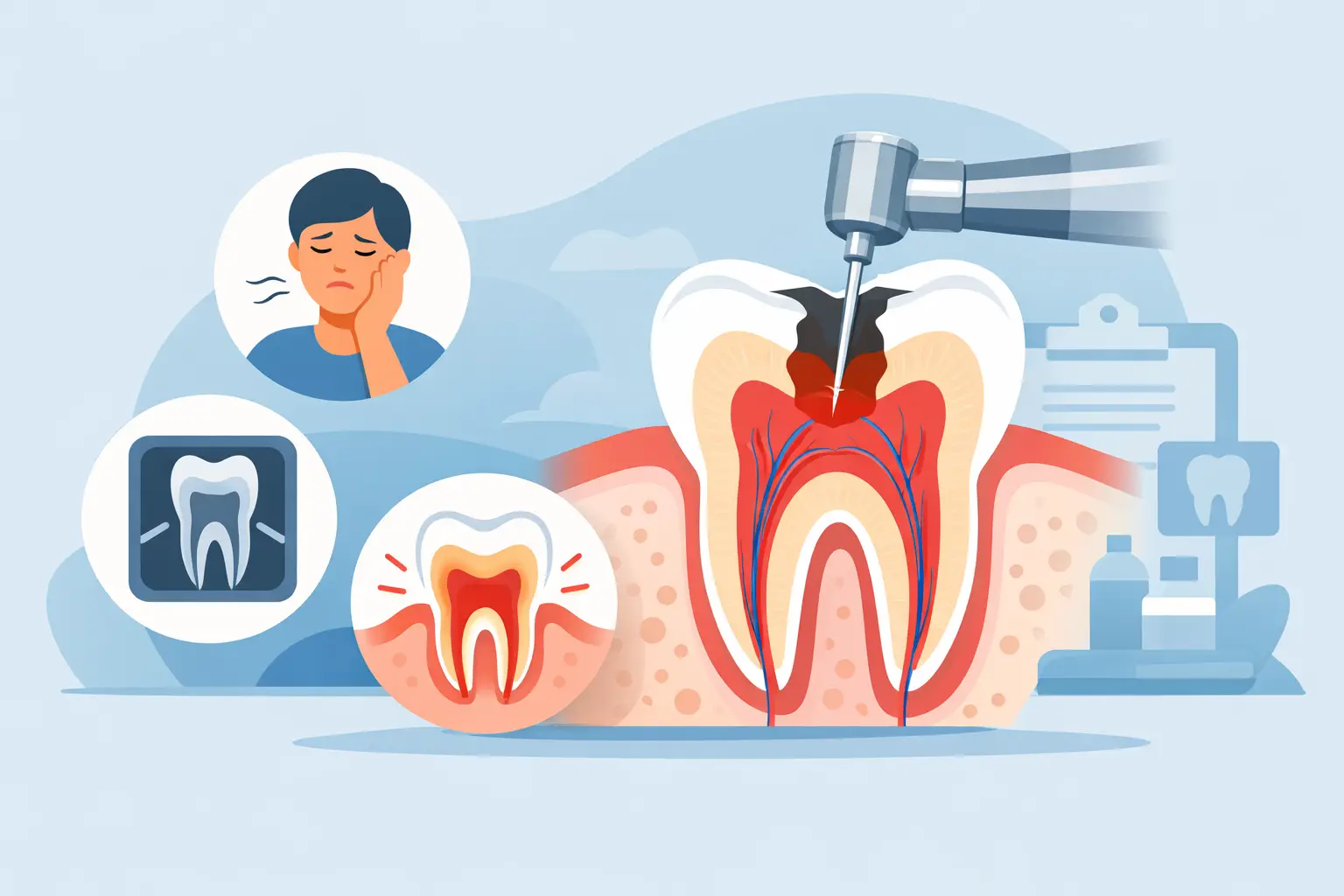
A tooth that throbs when you lie down, a sharp jolt when you drink something cold, or a deep ache that keeps coming back – these are often the moments people start asking, when do you need root canal treatment? The short answer is this: you may need one when the soft tissue inside the tooth, called the pulp, becomes inflamed or infected and cannot heal on its own. The sooner that problem is diagnosed, the better the chance of relieving pain and saving the tooth.
When do you need root canal treatment?
Root canal treatment is usually recommended when decay, trauma, cracks, or repeated dental work allow bacteria to reach the inner part of the tooth. Once the pulp is badly irritated or infected, the tooth may not recover with a simple filling. At that point, removing the damaged tissue, cleaning the inside of the tooth, and sealing it can protect the tooth structure and stop the infection from spreading.
Not every toothache means you need a root canal. Some cases turn out to be gum irritation, enamel sensitivity, a loose filling, or a bite problem. That is why a proper exam matters. Symptoms can point in the right direction, but X-rays and clinical testing help confirm what is really going on.
Common signs you may need a root canal
One of the clearest signs is pain that lingers. If hot or cold foods trigger discomfort that hangs on for more than a few seconds, the nerve inside the tooth may be inflamed. Pain when biting down can also be a warning sign, especially if it feels deep, concentrated, or different from normal sensitivity.
Swelling is another red flag. An infection at the root of a tooth can cause tenderness in the gums, a small bump near the tooth, or noticeable swelling in the face or jaw. In some cases, the tooth may darken or turn gray after trauma, which can signal damage to the nerve.
Sometimes the surprise is that there is very little pain. A tooth can be infected without severe symptoms, especially if the nerve has already started to die. That is one reason routine dental visits are so valuable. A problem that feels minor can still require prompt care.
Symptoms that deserve quick attention
If you have spontaneous tooth pain, sensitivity that lingers, swelling, a bad taste in your mouth, or pressure when chewing, it is smart to get checked sooner rather than later. Fever, facial swelling, or trouble swallowing should be treated as urgent. Those symptoms can suggest a spreading infection and should not be ignored.
What causes a tooth to need a root canal?
The most common cause is deep decay. Cavities start on the outside of the tooth, but when they grow large enough, bacteria can reach the pulp chamber. At that stage, a standard filling may no longer solve the problem.
Cracks are another common reason. A cracked tooth may let bacteria inside even if the outside damage looks small. Some cracks come from chewing hard foods, nighttime grinding, sports injuries, or old restorations that weaken over time.
Repeated work on the same tooth can also play a role. A tooth that has had several fillings or other procedures may become stressed or irritated. Trauma matters too. A hit to the mouth during sports, a fall, or even an old injury can damage the nerve, sometimes right away and sometimes years later.
When do you need root canal vs. a filling?
This is one of the biggest questions patients have, and the answer depends on how far the damage has gone. If decay is still limited to the outer layers of the tooth, a filling may be enough. If the pulp is inflamed beyond the point of recovery, a filling will not fix the source of pain.
A dentist looks at several factors: how deep the cavity is, whether the nerve is reacting normally, whether pain lingers, and whether there are signs of infection on an X-ray. In early cases, a filling or protective treatment may save the tooth without root canal therapy. In more advanced cases, waiting too long can lead to stronger pain, swelling, and possible tooth loss.
Why timing matters
Many people try to wait out tooth pain, especially if it comes and goes. The problem is that infected pulp tissue does not heal like a sore muscle. Once bacteria reach that inner space, the issue often progresses. Acting early can mean less discomfort, fewer complications, and a better chance of preserving the natural tooth.
What happens if you delay treatment?
A root canal is not usually recommended casually. It is advised to stop damage that is likely to worsen. If treatment is delayed, infection can move beyond the tooth and into the surrounding bone and gum tissue. That can cause an abscess, more intense pain, swelling, and a more complex treatment plan.
There is also a practical side to delay. A tooth that might have been saved with root canal therapy and a crown can eventually become too damaged to keep. At that point, replacement options such as a bridge or implant may be needed, and those solutions can take more time and cost more than saving the original tooth when possible.
What a root canal actually feels like
Many patients still picture root canal treatment as something extreme. In reality, modern care is designed to relieve pain, not create it. The procedure itself is typically done with local anesthesia, so the area is numb during treatment. Most people say it feels similar to getting a filling, just longer and more detailed.
Afterward, some soreness is normal for a few days, especially when biting. That does not mean something is wrong. It is usually a sign that the area is healing. Once the inside of the tooth has been cleaned and sealed, and the tooth is protected with the right restoration when needed, the goal is to return you to normal comfort and function.
Do you always need a crown after a root canal?
Not always, but often. Front teeth sometimes can be restored with a filling if enough healthy tooth structure remains. Back teeth usually take heavier chewing force, so they often need a crown for protection after root canal treatment.
This is one of those it-depends situations. The final recommendation is based on the location of the tooth, how much structure has been lost, whether there is a crack, and how the tooth fits into your bite. Protecting the tooth properly after treatment is just as important as treating the infection itself.
How dentists confirm whether you need one
A diagnosis is based on more than symptoms alone. Your dentist may check how the tooth responds to temperature, pressure, and gentle tapping. X-rays help show the extent of decay, damage around the root, or signs of infection in the bone.
In some cases, the diagnosis is obvious. In others, it takes a careful exam because pain can travel. A problem in one tooth may feel like it is coming from another area. That is why guessing based on internet advice or trying to self-diagnose can lead to more delay.
A practical next step if you are unsure
If you have been wondering when do you need root canal care, the safest answer is this: get evaluated when pain is persistent, sensitivity lingers, or swelling appears. You do not need to wait until pain becomes severe. Early diagnosis often creates more treatment options and a smoother experience.
For families and busy adults in the Inland Empire, convenience matters too. Seeing a provider who can evaluate the tooth, explain your options clearly, and help you balance comfort, timing, and cost can make the decision much easier. At Star Dental Group, that patient-first approach is part of what helps people move forward with care instead of putting it off.
If a tooth is trying to tell you something, listening early is usually the smartest move. Relief often starts with one exam, one clear answer, and one saved tooth.

