


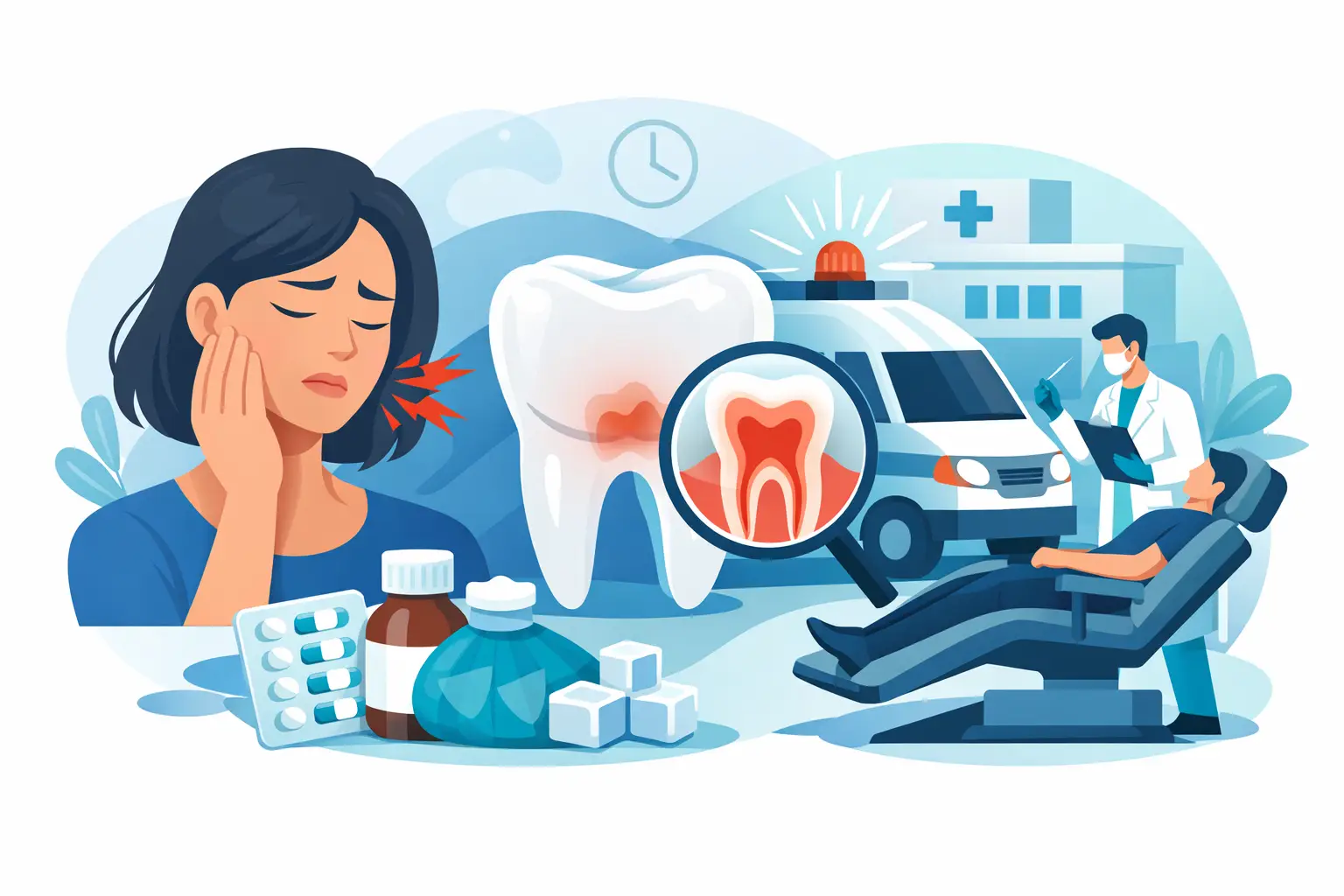
Tooth Pain Emergency Options for Fast Relief
A toothache that wakes you up, makes chewing impossible, or sends pain into your jaw is more than an inconvenience. Knowing your tooth pain emergency options can help you stay comfortable, avoid making the problem worse, and get the right level of care without delay.
Some dental pain can wait for the next available appointment. Other symptoms need same-day attention, and a small number require emergency medical care. The difference often comes down to swelling, injury, fever, bleeding, and how quickly the pain is changing.
When Tooth Pain Is a Dental Emergency
Pain alone does not always mean you need an emergency room. A deep cavity, cracked tooth, loose filling, gum infection, or inflamed tooth nerve can all cause significant discomfort and still be best treated by a dentist. However, severe pain is your body’s signal that something needs attention soon.
Call a dental office for a same-day or urgent appointment if your tooth pain is intense, persistent, or worsening; you have visible swelling around a tooth or gum; a tooth has broken; a restoration has fallen out; or pain is keeping you from sleeping, eating, or functioning normally. Prompt treatment can often save a tooth and prevent a smaller concern from becoming a more complicated infection.
Go to the emergency room for these warning signs
A hospital emergency room cannot perform most dental repairs, but it is the right choice when an infection or injury may affect your overall health. Seek emergency medical care right away if you have:
- Difficulty breathing or swallowing
- Swelling that is spreading into the jaw, face, neck, or around the eye
- A fever with facial swelling or severe dental pain
- Uncontrolled bleeding after an injury or dental procedure
These symptoms may point to a serious infection or trauma that needs immediate medical evaluation. Do not wait for a routine dental appointment if breathing or swallowing is affected.
Tooth Pain Emergency Options at Home While You Wait
Home care is meant to provide short-term relief, not to cure the cause of tooth pain. Even if the discomfort fades, the underlying problem can remain. A cracked tooth does not repair itself, and an infection can spread beyond the tooth without proper care.
Start by gently rinsing your mouth with warm salt water. This can clear food debris and soothe irritated gum tissue. If something is caught between teeth, carefully floss around the painful area. Do not use sharp objects to dig at the gums or tooth, since that can cause more injury.
A cold compress held against the outside of the cheek for short intervals may reduce swelling and numb the area. Use a cloth barrier between the cold pack and your skin. Avoid applying heat to facial swelling, especially if infection is possible, because heat can increase blood flow and may worsen swelling.
Over-the-counter pain medication may help when used exactly as directed on the label. Some patients should avoid certain medications because of allergies, kidney disease, stomach ulcers, blood thinners, pregnancy, or other medical conditions. If you are unsure what is safe for you or your child, ask a pharmacist, physician, or dental professional.
Never place aspirin, alcohol, or a pain-relief gel directly on the gums or tooth. These products can irritate or burn soft tissues. Avoid placing a crushed pill against the painful tooth as well. It will not treat the source of the pain.
What to Do for Common Dental Emergencies
The best next step depends on what caused the pain. A quick, accurate description of your symptoms can help a dental team prepare for your visit.
Cracked, broken, or chipped tooth
Rinse gently with warm water and save any large tooth fragment if you can find it. Cover a sharp edge with dental wax or sugar-free chewing gum only as a temporary measure, taking care not to swallow it. Avoid chewing on that side of your mouth. A crack can expose sensitive inner tooth structure, and early treatment may make restoration simpler.
Lost filling, crown, or temporary restoration
A lost restoration can leave a tooth sensitive to air, temperature, and pressure. Keep the area clean and avoid sticky foods. If a crown has come off intact, bring it with you to the appointment. Do not use household glue to put it back on. A dentist needs to check the tooth underneath and use materials designed for safe dental placement.
Knocked-out tooth
A knocked-out permanent tooth is one of the most time-sensitive dental emergencies. Hold the tooth by the crown, not the root. If it is dirty, rinse it briefly with milk or clean water without scrubbing. If you can gently place it back into the socket, do so and bite on clean gauze to hold it in place. If not, keep it moist in milk or in your mouth next to the cheek if you can do so safely.
Get dental care immediately. A baby tooth should not be put back into the socket, as doing so could damage the developing adult tooth underneath.
Swelling, pimple on the gums, or bad taste
A bump on the gums, drainage, swelling, or a persistent bad taste may signal an abscess. An abscess is an infection that needs professional treatment. Pain can sometimes decrease when pressure releases, but that does not mean the infection is gone. Contact a dentist promptly, and seek emergency medical care if swelling is spreading or you develop fever, trouble swallowing, or breathing difficulty.
Why Waiting Can Cost More Than a Timely Visit
Many people delay dental care because they hope the pain will settle down or they worry about the cost. That is understandable, especially for busy parents, seniors, and uninsured patients. But waiting can turn a filling-sized cavity into a root canal or extraction, or allow a repairable crack to split further.
An urgent dental exam gives you useful answers: which tooth is causing the pain, whether infection is present, what treatment is needed, and what options fit your goals and budget. In some cases, treatment may involve a filling, crown, root canal therapy, gum treatment, or extraction followed by a replacement option such as an implant. The right plan depends on the condition of the tooth, the surrounding bone and gums, and your overall oral health.
At Star Dental Group, patients can receive comprehensive care in one location, which can be especially helpful when an emergency reveals a larger restorative or full-mouth concern. A clear treatment plan lets you address immediate pain first while planning the longer-term care your smile may need.
Preparing for an Urgent Dental Visit
When you call, explain when the pain started, where it is located, whether it is constant or triggered by hot, cold, or biting, and whether you have swelling, fever, trauma, or drainage. Mention medications you have taken and any health conditions or allergies. This information helps the dental team determine how quickly you need to be seen.
Until your appointment, choose soft foods and avoid extreme temperatures. Do not chew on the painful side. If you have facial swelling, remove any oral jewelry and avoid smoking, which can slow healing and irritate already inflamed tissues.
Dental emergencies are stressful, but you do not have to guess your way through them. A quick call and the right care can turn a painful, uncertain situation into a clear path toward comfort and a healthier smile.

