


How Dental Implants Restore Function
A missing tooth changes more than your smile. You notice it when you chew on one side, when certain words feel less clear, or when your bite starts to feel slightly off. That is why so many patients ask how dental implants restore function, not just appearance. The answer comes down to structure, stability, and the way implants work with your jaw instead of simply sitting on top of your gums.
For many adults, the real frustration is practical. Meals become harder to enjoy. You may avoid steak, apples, nuts, or anything that takes pressure to chew. If several teeth are missing, even speaking confidently can feel different. Over time, those small compromises add up. A treatment that restores daily function can make a real difference in comfort, nutrition, and confidence.
How dental implants restore function in daily life
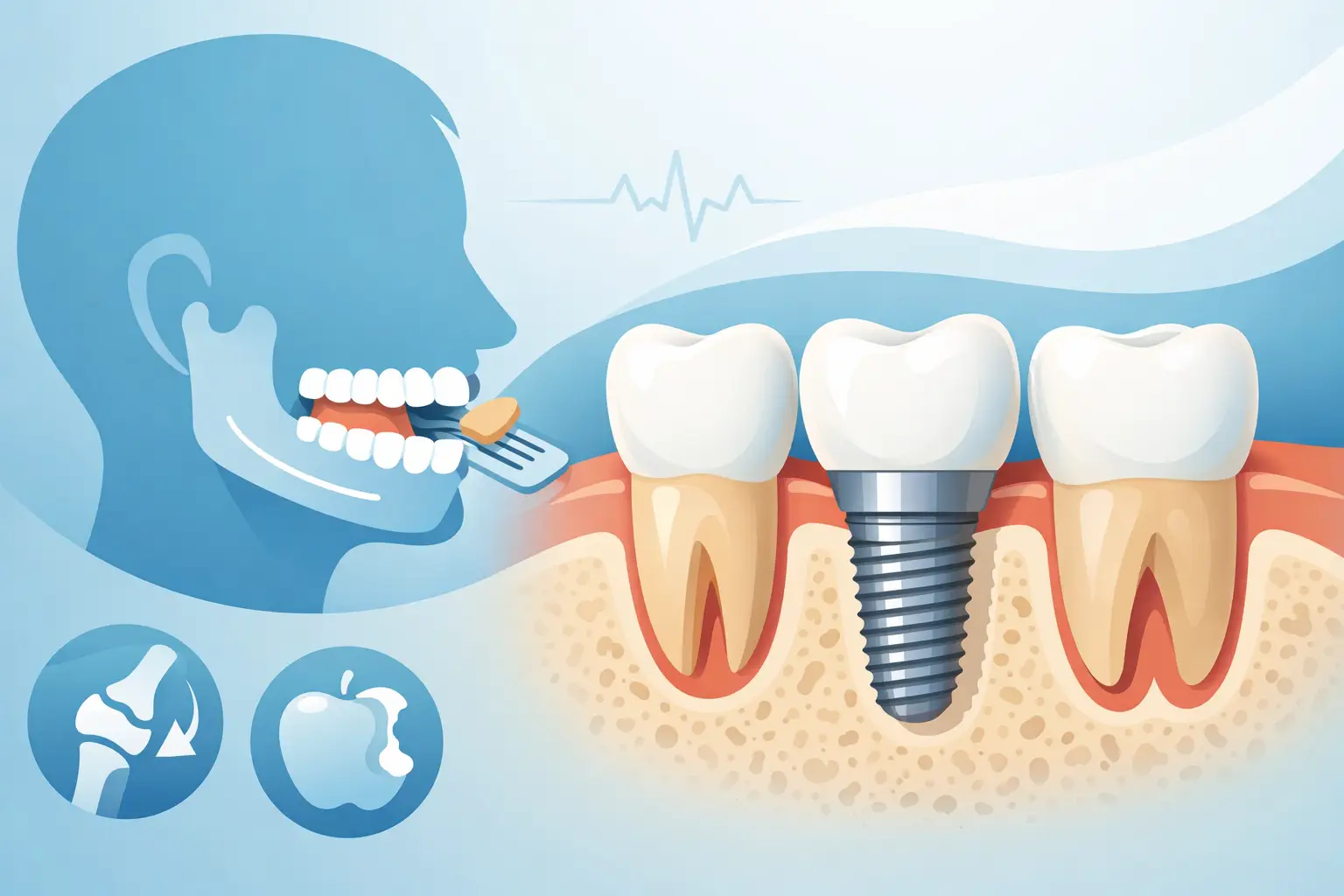
A dental implant is designed to replace the root of a missing tooth. A small titanium post is placed into the jawbone, where it heals and bonds with the bone. After that foundation is secure, a custom restoration such as a crown, bridge, or denture is attached.
This matters because natural teeth are anchored below the gums. Traditional removable options replace the visible part of the tooth, but they do not replace the root in the same way. Implants do. That root-level support is what helps restore more natural biting force, steadier chewing, and a more secure feel.
In everyday life, patients often notice function in a few clear ways. Food is easier to bite and chew, especially when compared with a loose denture or a gap that forces the rest of the mouth to overwork. Speech may sound clearer because teeth help shape certain sounds. Just as important, implants tend to feel more stable than removable appliances, which can reduce the constant awareness that something is shifting in your mouth.
The result is not that an implant becomes identical to the original tooth in every possible way. It is that it can restore a level of support and reliability that many people have been missing for years.
Why stability matters so much
Function depends on stability. If a replacement tooth moves, presses unevenly on the gums, or changes position over time, the mouth has to compensate. That compensation can lead to sore spots, altered chewing patterns, and extra stress on neighboring teeth.
Because implants are anchored in bone, they are built to stay in place. That support gives patients a stronger platform for normal use. It can also help protect the balance of the bite. When a tooth is missing, nearby teeth may begin to drift into the open space, and opposing teeth can shift as well. Those changes may not happen overnight, but they can affect how the upper and lower teeth meet.
An implant helps preserve spacing and support more even function across the mouth. This is especially valuable for patients who want a long-term solution instead of one that may need constant adjustment.
Chewing is about more than convenience
Many people underestimate how much missing teeth affect diet. If chewing is uncomfortable or unreliable, softer foods start to replace healthier but firmer options. That can mean fewer raw vegetables, fruits, lean proteins, and other foods that support overall health.
When implants restore stronger chewing ability, patients often feel more comfortable eating a wider range of foods again. That does not mean every person will have the exact same experience. It depends on how many teeth are missing, the condition of the gums and bone, and whether the implant is replacing one tooth or supporting a larger restoration. Still, the functional goal is clear – to help you chew more normally and with less effort.
Speech can improve too
Teeth play an important role in speech. Airflow and tongue placement work together with the teeth to form certain sounds. Missing front teeth or unstable restorations can make pronunciation feel awkward or less predictable.
A secure implant-supported restoration can improve that stability. Patients are often relieved by how much more natural speaking feels once they no longer have to adjust around a gap or worry about movement.
The role of jawbone support
One of the biggest reasons implants stand apart from other tooth replacement options is what they do below the gumline. When a tooth is lost, the bone in that area no longer receives the same stimulation from chewing. Over time, that bone can begin to shrink.
Bone loss affects function as well as appearance. As the shape of the jaw changes, surrounding teeth and soft tissues can lose support. In patients with multiple missing teeth, this process may contribute to a sunken facial appearance and a less stable foundation for future restorations.
Implants help stimulate the bone in a way that more closely mimics a natural tooth root. That support can slow bone loss and preserve the structure of the jaw. It is one of the most practical long-term benefits of implant treatment, especially for adults who want to protect oral health beyond the immediate replacement of a missing tooth.
What makes implants different from bridges or dentures
Every tooth replacement option has advantages, and the right one depends on the patient. A traditional bridge can be a good solution in some cases, especially when neighboring teeth already need crowns. A removable denture may offer a more affordable path for replacing multiple teeth quickly.
Still, implants offer distinct functional benefits. They do not rely on neighboring teeth for support the way a bridge does. They are also more secure than a removable denture, which may shift during eating or speaking. For patients who want the closest thing to a stable, natural-feeling replacement, implants are often the strongest option.
That said, there are trade-offs. Implant treatment usually takes longer than getting a bridge or denture because healing time matters. It may also involve additional procedures, such as bone grafting, if the jawbone needs more support. Cost can be higher upfront, although many patients see long-term value in the durability and function implants provide.
This is why a full evaluation is so important. The best treatment plan is not one-size-fits-all. It should match your oral health, goals, budget, and timeline.
How the process supports long-term results
Good implant outcomes start with planning. Your dentist evaluates the teeth, gums, bite, and jawbone to see whether implants are a good fit and how they should be placed. In a multi-specialty setting, that planning can be especially helpful because function, appearance, and overall oral health can be addressed together instead of in separate offices.
After placement, the implant needs time to integrate with the bone. This healing phase is one reason implants are so effective. The goal is not a quick cover-up. It is a stable foundation that can support daily use for years.
Once the final restoration is attached, maintenance becomes the next part of function. Implants do not get cavities, but they still require healthy gums, clean surfaces, and regular dental visits. Patients who brush well, floss or use recommended cleaning tools, and keep routine appointments tend to protect their results better over time.
When function and appearance improve together
For most patients, function and appearance are connected. If your teeth work well but you still feel self-conscious smiling, that affects quality of life too. If your smile looks better but chewing is still difficult, the job is only half done.
That is why implant treatment can be so satisfying. It often improves both at once. A well-made implant restoration is designed to fit the bite, support normal use, and blend naturally with the rest of the smile. In a practice that offers comprehensive care, those details can be planned as part of a bigger picture, whether you need one implant or a full-mouth solution.
At Star Dental Group, that kind of complete planning matters because many patients are not dealing with a single issue. They may have missing teeth, worn teeth, cosmetic concerns, or years of delayed care. Looking at function first often creates the path toward a healthier and more confident smile overall.
If you have been living around missing teeth, the biggest change may not be what you see in the mirror. It may be the first meal that feels easy again, the first conversation where you stop thinking about your teeth, or the relief of knowing your mouth finally feels stable.

