


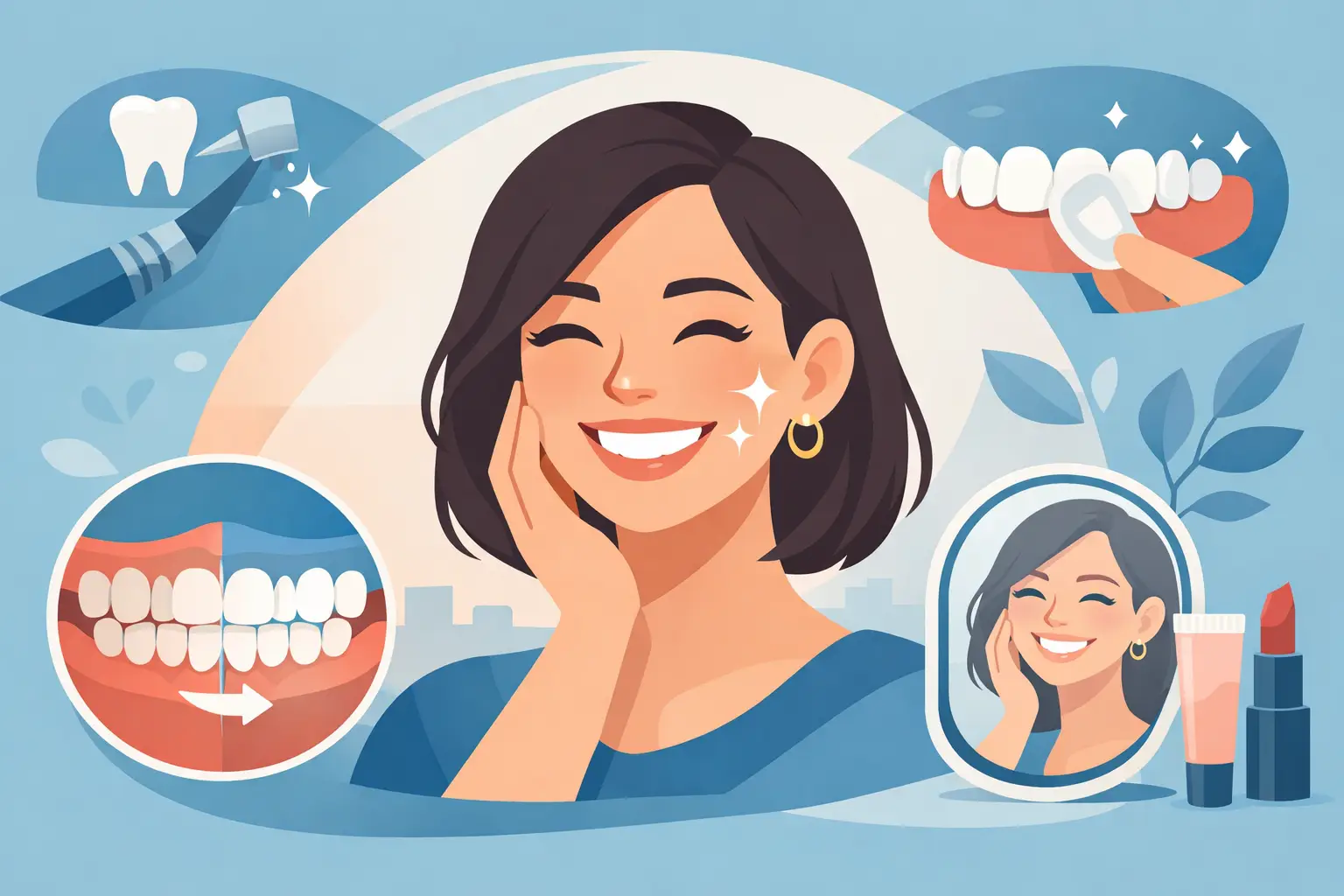
How Cosmetic Dentistry Improves Confidence
A smile can change the way a conversation starts. If you have ever covered your mouth when laughing, avoided photos, or felt distracted by chipped, stained, or uneven teeth, you already know how cosmetic dentistry improves confidence in very real ways.
Confidence is not just about appearance. It affects how you speak up in meetings, how relaxed you feel at social events, and whether you smile without hesitation. For many patients, cosmetic dentistry is not about chasing perfection. It is about feeling comfortable in their own skin again.
Why confidence and your smile are closely connected
People notice smiles quickly. That is not vanity – it is human nature. A healthy, balanced smile often reads as warmth, energy, and self-assurance. When someone feels self-conscious about their teeth, that discomfort can show up everywhere else.
Some people start talking less. Others avoid close conversations or turn down pictures with family. Over time, a cosmetic concern that may seem small on the surface can affect daily life more than expected. That is one reason how cosmetic dentistry improves confidence is such a common question in dental care. The answer has less to do with superficial change and more to do with removing a daily source of stress.
When patients like what they see in the mirror, they tend to smile more naturally. They are often less focused on hiding flaws and more focused on the moment in front of them. That shift can feel immediate.
How cosmetic dentistry improves confidence in everyday life
Cosmetic dentistry works best when it improves both appearance and comfort. A brighter smile can help, but the real impact often comes from fixing the specific issues that make someone feel self-conscious.
Stained or discolored teeth
Tooth discoloration is one of the most common reasons people hesitate to smile. Coffee, tea, wine, tobacco, certain medications, and simple aging can all darken teeth over time. Even patients with healthy teeth may feel like their smile looks tired or older than they feel.
Professional whitening can make a noticeable difference quickly. For some patients, that alone is enough to restore confidence before a wedding, interview, reunion, or major life event. If discoloration is deeper or uneven, veneers or bonding may be a better fit. The right option depends on the cause of the staining, the condition of the enamel, and the result the patient wants.
Chipped, cracked, or uneven teeth
Small flaws can carry a big emotional weight. A chipped front tooth, slight gap, or uneven edge may seem minor to others, but it can be the first thing a person sees every time they smile.
Cosmetic bonding, veneers, or reshaping can often correct these concerns with relatively conservative treatment. Patients frequently say they feel relief as much as excitement. The flaw that used to pull their attention every day is no longer in control of the way they present themselves.
Missing teeth and the effect on self-esteem
Missing teeth can affect much more than appearance. They can change speech, chewing ability, and facial support. They can also make people look older than they are or cause them to avoid smiling altogether.
This is where cosmetic and restorative dentistry often overlap. Dental implants, bridges, and other tooth replacement options can improve the look of the smile while also restoring function. That matters because confidence tends to grow when a smile not only looks complete but also feels secure and natural.
For many adults, replacing a missing tooth is not an indulgence. It is a practical step toward feeling normal again.
The emotional side of smile improvement
There is usually a personal story behind cosmetic treatment. Some patients have lived with dental damage for years after an accident. Others feel embarrassed by wear, crowding, or old dental work that no longer matches the rest of the smile. Some simply got used to not liking their teeth.
What changes after treatment is not always dramatic from the outside. Sometimes the biggest difference is internal. A patient who once avoided eye contact now feels more at ease. A parent who stayed out of photos starts smiling in family pictures again. A professional who felt hesitant during presentations now speaks with less self-consciousness.
These are meaningful changes, and they are often why cosmetic dentistry feels worth it. The goal is not to become someone else. The goal is to remove a barrier that has been holding someone back.
Confidence looks different for every patient
One of the biggest misconceptions about cosmetic dentistry is that every treatment plan aims for the same kind of smile. In reality, the best cosmetic work is personalized.
Some patients want a dramatic whitening result. Others want subtle corrections that keep their smile looking natural and familiar. A younger adult may want to fix chips or spacing before it affects professional confidence. A senior patient may be more focused on replacing missing teeth and refreshing the overall appearance of the smile.
There is no single right answer. It depends on budget, goals, oral health, timeline, and how much change feels comfortable. Good cosmetic dentistry should respect all of those factors.
That is especially important for patients who have delayed treatment because of fear, cost concerns, or uncertainty about where to start. A clear consultation can make the process feel manageable instead of overwhelming.
Cosmetic results are strongest when oral health comes first
A confident smile has to be built on healthy teeth and gums. If a patient has untreated decay, gum disease, or bite problems, those issues may need attention before cosmetic treatment begins.
This is not a drawback. It is actually part of what makes the result last. Whitening unhealthy teeth or placing veneers without addressing underlying problems may create short-term improvement, but it does not support long-term confidence.
A full-mouth approach often serves patients best because it looks at the whole picture. That can be especially helpful for adults who need a mix of cosmetic, restorative, and general dental care. Instead of bouncing between offices, they can move through a plan that makes sense functionally and aesthetically.
For patients in Rancho Cucamonga who want both convenience and comprehensive care, that kind of planning can remove a lot of friction from the process.
What to expect if you are considering treatment
The first step is usually simpler than people expect. A cosmetic consultation should focus on your concerns, your goals, and the condition of your teeth and gums. It should also include an honest conversation about what is possible.
Some smiles can be improved significantly with one treatment. Others benefit from a phased plan. If a patient wants straighter teeth, for example, orthodontic care may be the better foundation before whitening or veneers. If missing teeth are the main issue, implants or another restorative option may come first.
This is where experience matters. Cosmetic dentistry is not just about making teeth whiter or more uniform. It is about balance, facial proportions, bite alignment, and choosing treatments that fit the patient rather than forcing a one-size-fits-all result.
At a practice like Star Dental Group, where cosmetic care, implants, orthodontics, and general dentistry are available under one roof, patients can often get a more complete plan without the confusion of multiple referrals.
The trade-offs patients should know
Cosmetic treatment can be life-changing, but it is still worth being realistic. Some procedures are more affordable than others. Some require maintenance over time. Whitening may need touch-ups, bonding can stain or chip, and veneers involve a more committed decision than simple polishing or reshaping.
There is also the question of expectations. Cosmetic dentistry can improve the appearance of a smile significantly, but natural features, oral health limitations, and budget all shape what is appropriate. A trustworthy dentist will explain those trade-offs clearly instead of overselling a perfect result.
For many patients, the best outcome is not the most dramatic one. It is the one that looks natural, feels comfortable, and fits their life.
Confidence that lasts beyond the mirror
The lasting value of cosmetic dentistry often shows up in small moments. Smiling in a job interview without thinking twice. Talking closely with someone without feeling the need to hide your teeth. Sitting for a family photo and actually liking the result.
Those moments matter because they affect how people move through daily life. When a smile no longer feels like a problem to manage, confidence has more room to grow.
If you have been putting off treatment because the issue seems cosmetic, not urgent, it may help to think about it differently. Feeling good about your smile is not a minor thing when it influences how openly you laugh, speak, and connect with other people. The right dental care can do more than improve your appearance – it can help you feel more like yourself again.

