


A Practical Guide to Full Mouth Restoration
When chewing feels uneven, old dental work keeps breaking, or you avoid smiling in photos, the problem usually is not just one tooth. A guide to full mouth restoration starts with that reality: for many adults, several issues are happening at once, and the best results come from treating the whole picture instead of chasing one problem at a time.
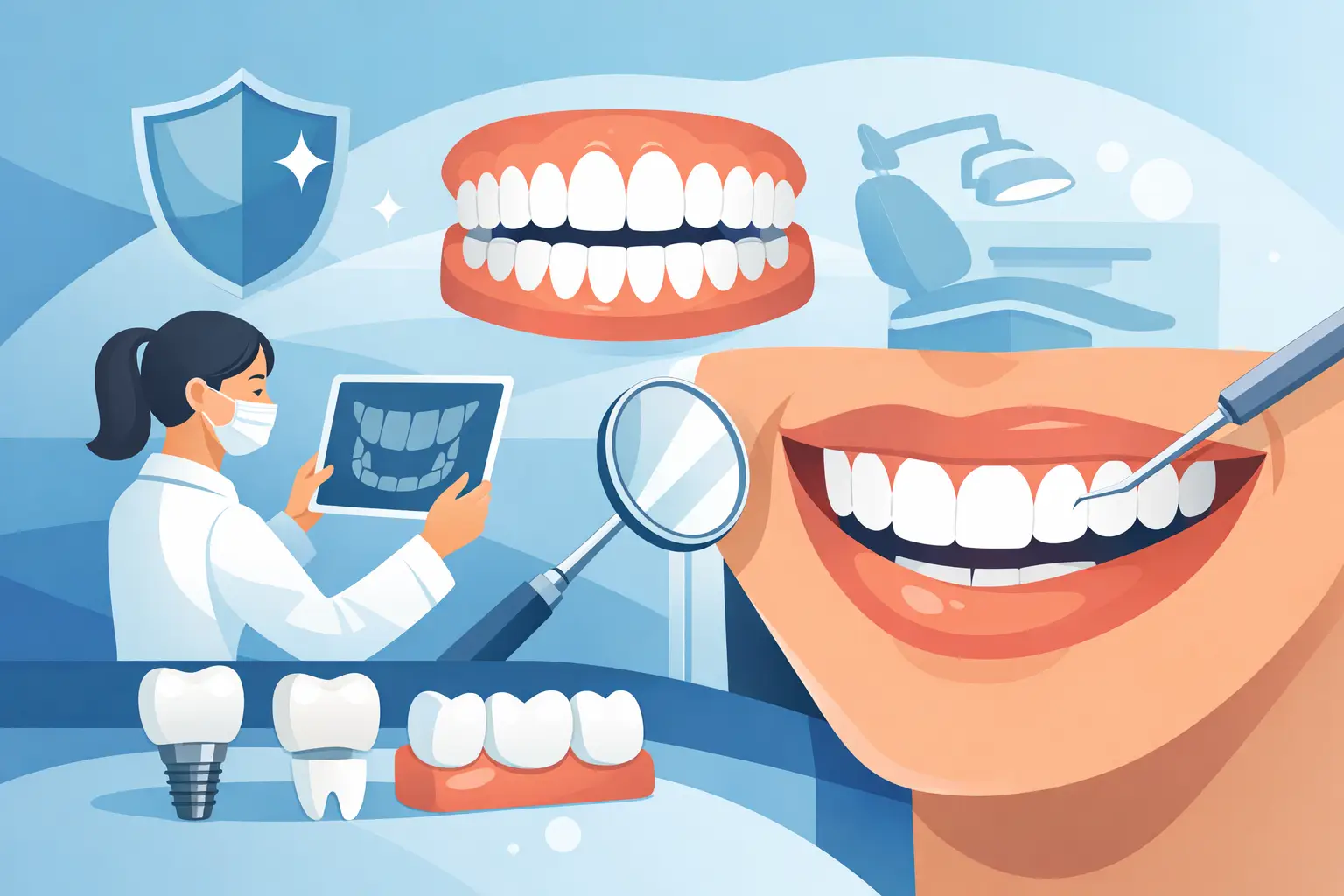
Full mouth restoration is a customized treatment plan that rebuilds the health, function, and appearance of your teeth and bite. It can involve restorative care such as crowns, bridges, implants, or dentures, and it may also include periodontal treatment, orthodontics, or cosmetic work depending on your needs. The goal is straightforward – help you eat comfortably, speak clearly, protect your long-term oral health, and feel better about your smile.
What full mouth restoration really means
People often hear different terms like full mouth reconstruction, full mouth rehabilitation, or smile makeover and assume they all mean the same thing. They overlap, but they are not identical. A smile makeover is usually more focused on appearance. Full mouth restoration is broader and typically includes function, structural stability, and oral health along with esthetics.
That matters because attractive teeth are not enough if your bite is unstable, your gums are unhealthy, or damaged teeth keep failing. A good treatment plan looks at how your teeth fit together, which restorations are still salvageable, where bone or gum support may be compromised, and whether your jaw is under strain. For many patients, the best cosmetic result happens after those deeper issues are addressed.
Who may need a guide to full mouth restoration
This kind of care is often right for adults who have delayed treatment for years, have multiple broken or missing teeth, or are tired of patchwork dentistry that never seems to last. It is also common for patients who have advanced wear from grinding, large failing fillings, severe decay, gum disease, bite problems, or trauma.
You do not need to be in constant pain to need comprehensive care. Some patients function around the problem for a long time by chewing on one side, avoiding certain foods, or living with chronic sensitivity. Others are mainly frustrated by how their smile looks. In both situations, a full mouth plan can make sense if the concerns are connected.
Seniors often benefit from this approach because older dental work may start failing in several areas at once. Busy adults like it because they can get one coordinated plan instead of bouncing between offices. If cost has kept you from moving forward before, a comprehensive consultation can also help you prioritize treatment in phases.
How the planning process works
The first step is not treatment. It is diagnosis. Your dentist needs a clear picture of your teeth, gums, jaw, bite, and bone support before recommending anything significant. That usually includes a full exam, digital imaging, periodontal evaluation, and a conversation about your goals, timeline, and budget.
This is where patients often feel relief. Instead of hearing, “You need a crown here and a filling there,” you get a roadmap. That roadmap shows what must be treated first, what can wait, and which options make the most sense for your long-term health.
A well-built plan usually answers five questions. Which teeth can be saved? Which teeth have a poor long-term outlook? Is gum treatment needed first? How should the bite be corrected or stabilized? And what final result is realistic based on your anatomy, preferences, and finances?
Common treatments used in full mouth restoration
There is no one-size-fits-all formula. One patient may need implants and crowns. Another may do better with bridges, periodontal therapy, and orthodontic correction. The right combination depends on your health, bone support, number of missing teeth, and how much structure remains.
Crowns are often used when teeth are cracked, heavily filled, worn down, or weakened after root canal treatment. Bridges can replace missing teeth when neighboring teeth also need support. Dental implants are a strong option when you want to replace missing teeth without relying on adjacent teeth, and they can help preserve bone over time.
Dentures, including implant-supported dentures, may be recommended when many teeth are missing or cannot be predictably saved. For some patients, this is the most affordable path. For others, fixed implant options provide a more secure feel and stronger chewing ability. The trade-off usually comes down to cost, surgery, maintenance, and personal preference.
Orthodontics may also be part of restoration if teeth have shifted, spacing has opened up, or the bite is placing uneven pressure on restorations. Gum treatment is another common piece. If periodontal disease is active, it has to be managed or future dental work may not hold up the way it should.
Saving teeth vs replacing teeth
This is one of the biggest decisions in any guide to full mouth restoration. In many cases, saving natural teeth is worth serious consideration. Healthy roots, adequate bone support, and well-done restorative work can give you years of function. Natural teeth also provide feedback when you bite and chew that artificial replacements cannot fully duplicate.
At the same time, not every tooth should be saved at all costs. A tooth with repeated infection, severe fracture, advanced bone loss, or very limited remaining structure may create more expense and frustration if you keep trying to repair it. The smart choice is not always the most aggressive one. It is the option with the best long-term prognosis.
This is where a multi-specialty approach can help. When restorative, implant, cosmetic, and general dental needs are considered together, treatment tends to be more efficient and more predictable.
How long full mouth restoration takes
Some cases can be completed in a matter of weeks. Others take several months, especially if extractions, implant healing, gum therapy, or orthodontics are involved. The timeline depends on complexity, healing, and whether treatment is done all at once or in stages.
For many patients, phased care is the practical path. Emergency issues are handled first, such as infection, pain, or unstable teeth. Next comes disease control – treating decay and gum problems. After that, the bite and final restorations are completed. This staged approach can spread out cost and make the process feel more manageable.
Temporary restorations are often used along the way so you can function and smile with confidence while the final work is being completed. That step is not just cosmetic. It also helps test bite position, comfort, and appearance before the final version is placed.
What affects the cost
Patients understandably want a number right away, but full mouth restoration has a wide cost range because treatment can look very different from one person to the next. The biggest factors are how many teeth need treatment, whether implants are involved, the condition of the gums and bone, and whether care includes extractions, orthodontics, or sedation.
Materials and complexity matter too. A few strategically placed restorations cost less than rebuilding an entire bite. Implant-supported options are usually more expensive upfront than removable dentures, but they may offer stronger stability and comfort. That does not mean they are automatically the better choice for every patient.
If budget is a concern, ask whether the plan can be phased without compromising the final result. Many patients are surprised to learn that there is more than one responsible way to move forward.
What to ask at your consultation
A good consultation should leave you informed, not overwhelmed. Ask which problems are most urgent, which teeth are worth saving, what your options are for replacement, and how each option will affect appearance, function, and maintenance. It is also fair to ask how long treatment should last and what kind of follow-up care will be required.
You should also ask about the trade-offs. For example, a lower-cost option may be perfectly appropriate, but it may not feel as stable or last as long as a more advanced solution. The right answer depends on your goals and your situation, not just the most ideal treatment on paper.
At a practice like Star Dental Group, where multiple services can be coordinated under one roof, patients often find it easier to understand the full plan and move forward without unnecessary delays.
Life after restoration
The work does not end when the final crown, bridge, or denture is delivered. Long-term success depends on maintenance. That includes home care, routine exams, cleanings, and in many cases a night guard if grinding contributed to the problem in the first place.
The good news is that patients often notice immediate changes in daily life. Meals feel easier. Speech can improve. Jaw strain may decrease. Smiling becomes less of a conscious effort. Those changes are not small. They affect confidence, comfort, and overall quality of life.
If you have been told you need extensive dental work, or you know your mouth has reached a point where quick fixes are no longer enough, a clear plan can make the next step feel much less intimidating. The best place to start is with a thorough evaluation and an honest conversation about what will serve you well now and years from now.

