


A Practical Guide to Wisdom Tooth Removal
A wisdom tooth can sit quietly for years, then suddenly make chewing painful, inflame the gums, or crowd a tooth that was previously easy to clean. This guide to wisdom tooth removal explains what patients can realistically expect, from the first exam through recovery, so the process feels more manageable and less intimidating.
Wisdom teeth are the final molars to develop, usually appearing between the late teens and mid-20s. Some grow in normally and remain healthy. Others do not have enough room to erupt, become trapped below the gumline, or emerge at an angle that affects the tooth in front of them. Removal is not automatically necessary for every person, but timely evaluation can prevent a small concern from becoming a more uncomfortable problem.
When Wisdom Tooth Removal May Be Recommended
Your dentist will recommend treatment based on your symptoms, X-rays, gum health, tooth position, and the condition of neighboring teeth. Pain is a common reason people seek care, but it is not the only reason a wisdom tooth may need attention.
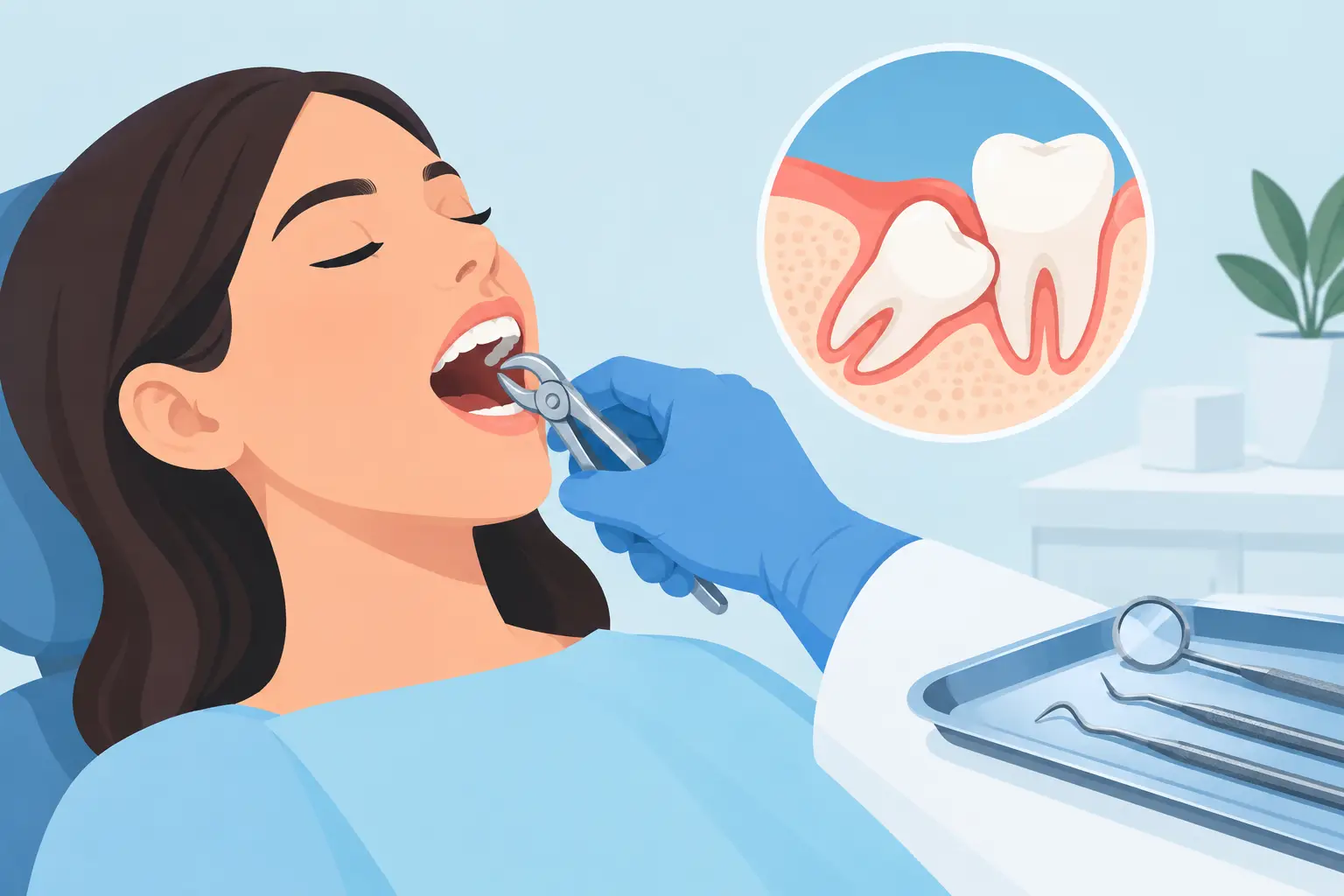
Partially erupted wisdom teeth can create a space where food and bacteria collect. This may lead to repeated gum swelling, bad breath, cavities, or infection around the tooth. A fully impacted tooth can sometimes press against the molar in front of it, potentially damaging the neighboring tooth or contributing to decay in an area that is difficult to reach with a toothbrush or floss.
You may benefit from an evaluation if you notice persistent pain in the back of the mouth, swollen or tender gums, trouble opening your jaw, an unpleasant taste, or recurring infection. Some wisdom teeth are removed before symptoms start because X-rays show a high likelihood of future trouble. In other situations, monitoring is reasonable. The right approach depends on your anatomy and oral health, not a one-size-fits-all timeline.
Your Guide to Wisdom Tooth Removal: The Consultation
A clear treatment plan starts with an exam and detailed dental imaging. Your dental team will look at the direction of each wisdom tooth, how close it is to nerves or sinuses, whether it has erupted, and whether it is affecting nearby teeth.
This appointment is also the time to discuss your medical history. Share all medications, supplements, allergies, medical conditions, and previous reactions to anesthesia or sedation. If you are pregnant, have diabetes, take blood thinners, or have a condition that affects healing, your treatment plan may need additional precautions.
Ask direct questions about the procedure: Will the tooth be simple to remove or impacted? What type of anesthesia or sedation is appropriate? How many teeth should be treated at once? What will recovery look like for your work, school, or family schedule? A caring dental team should explain the options in plain language and make sure you understand the expected costs before treatment begins.
For many patients, removing all four wisdom teeth in one visit is convenient because it combines recovery into one period. However, that is not always the best choice. If only one tooth is causing problems, or if medical or scheduling factors are involved, a staged approach may make more sense.
Preparing for Your Procedure
Good preparation can make the day of surgery less stressful. Follow the specific instructions your dental team gives you, especially if you will receive sedation. You may be asked not to eat or drink for a certain number of hours beforehand. Do not assume the same instructions apply to every type of anesthesia.
Arrange for a responsible adult to drive you home if you receive sedation or medication that affects alertness. Plan for a quiet first day, and set up a recovery area with water, soft foods, prescribed medications, ice packs, and a few pillows to keep your head elevated.
Wear comfortable clothes and avoid heavy makeup, jewelry, or contact lenses if your provider advises against them. If you have a cold, fever, or new health concern before the appointment, call the office. It may be safer to reschedule rather than proceed while you are unwell.
What Happens During Wisdom Tooth Extraction
The procedure itself varies according to the tooth’s position. A fully erupted wisdom tooth may be removed much like another molar. An impacted tooth may require a small opening in the gum tissue and, in some cases, removal of a small amount of bone around the tooth. The dentist or oral surgeon may divide the tooth into smaller sections to remove it safely and gently.
You should not feel sharp pain during the procedure. With local anesthesia, you may notice pressure or movement. Sedation can help patients who are anxious, have multiple teeth being removed, or need a more involved procedure. Your provider will review the benefits, limitations, and safety considerations of each option.
Once the tooth is removed, the area is cleaned and gauze is placed to help a blood clot form. Some extraction sites need dissolvable stitches. The clot is a key part of healing, so protecting it is one of the most important goals during the first few days.
Wisdom Tooth Removal Recovery: The First Week
Mild bleeding or oozing is common during the first several hours. Bite gently but firmly on the gauze as directed, and change it only when your dental team tells you to do so. A small amount of pink saliva can be normal. Bleeding that is heavy, bright red, or does not slow down after following instructions deserves a call to the office.
Swelling often peaks around the second or third day, then begins improving. Use an ice pack on the outside of your face in short intervals during the first 24 hours if recommended. Rest, take medications exactly as prescribed, and keep your head elevated when lying down.
Choose soft, nourishing foods that do not require vigorous chewing. Yogurt, scrambled eggs, applesauce, mashed potatoes, smoothies eaten with a spoon, soup that has cooled, and soft pasta can be easier to manage. Avoid crunchy foods, seeds, nuts, spicy foods, and anything that can lodge in the extraction area.
For the first day, do not spit forcefully, rinse vigorously, use a straw, or smoke or vape. Those actions can dislodge the blood clot and raise the risk of dry socket, a painful healing complication. After the period specified by your provider, gentle warm saltwater rinses can help keep the area clean. Continue brushing your other teeth carefully, while avoiding direct trauma to the surgical sites.
Most people can return to light routines within a few days, but strenuous exercise should wait until your dentist says it is safe. Recovery is not identical for everyone. A simple extraction may feel substantially better in several days, while deeply impacted teeth can require more time.
When to Call Your Dentist
Some discomfort, swelling, jaw stiffness, and bruising can be expected. What matters is whether symptoms gradually improve. Contact your dental office promptly if pain becomes significantly worse after a few days, swelling increases instead of improves, you develop a fever, or you have trouble swallowing or breathing.
Also call if you notice pus, a persistent foul taste or odor, numbness that concerns you, a rash or medication reaction, or bleeding that does not respond to the aftercare directions. Do not try to treat a suspected infection with leftover antibiotics or wait it out if symptoms are escalating.
Dry socket commonly causes severe, throbbing pain a few days after extraction and may radiate toward the ear or jaw. It is treatable, but it needs professional care. Calling early can provide relief and help your dental team protect your recovery.
Planning Care With Confidence
Wisdom tooth treatment should feel organized, not rushed. At Star Dental Group, patients can receive a thorough evaluation, a discussion of treatment options, and clear guidance about care before and after an extraction. For uninsured patients and families balancing dental needs with a budget, asking about available consultation and discount options can make planning easier.
If the back of your mouth has been bothering you, do not wait for pain to become an emergency. A timely exam can clarify whether your wisdom teeth simply need monitoring or whether removal is the healthier next step. Knowing what is happening is often the first step toward feeling more comfortable in the dental chair.

