


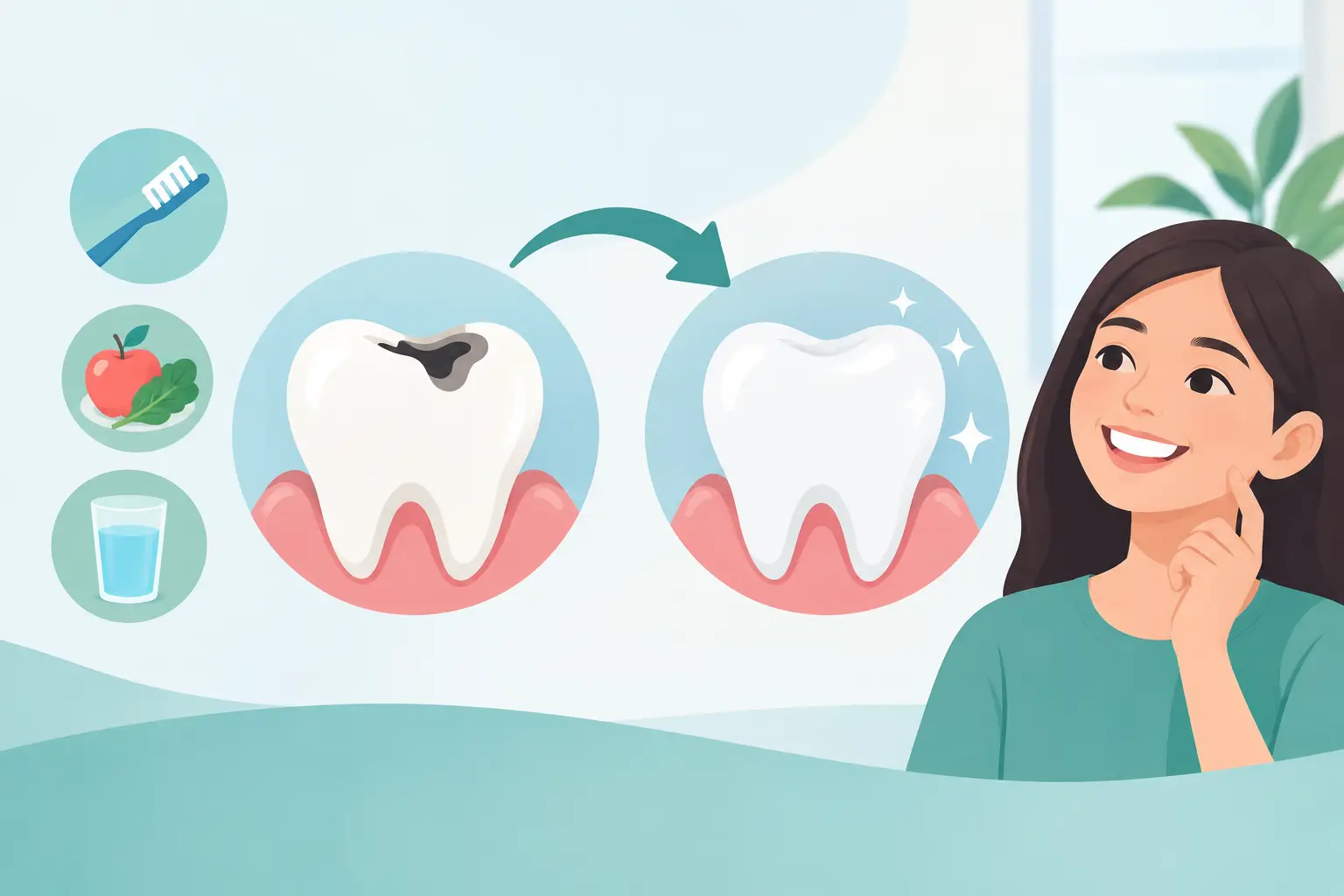
Can Cavities Be Reversed Early? What to Know
A faint white spot near the gumline can feel easy to ignore, especially when there is no pain. But this is often the stage when the answer to can cavities be reversed early is most encouraging: early enamel damage may be stopped and strengthened before a hole forms. The key is knowing the difference between a reversible warning sign and tooth decay that already needs restorative care.
Can Cavities Be Reversed Early? It Depends on the Stage
A cavity does not begin as a visible hole. It starts when bacteria in dental plaque use sugars and starches from food and drinks to create acids. Those acids pull minerals, including calcium and phosphate, out of the hard outer enamel layer. This first stage is called demineralization.
When demineralization is caught early, saliva, fluoride, and consistent home care can help return minerals to the enamel. This process is called remineralization. The weak area may become stronger and decay may stop progressing. In that limited but meaningful sense, early tooth decay can be reversed.
Once decay breaks through the enamel and creates a physical opening or reaches the softer dentin beneath it, the tooth cannot rebuild that missing structure on its own. A filling is usually needed to remove the decay and restore the tooth. Waiting at that point does not make the cavity heal – it allows bacteria to move deeper, sometimes leading to tooth sensitivity, pain, infection, or the need for a root canal.
What Early Decay Can Look Like
Early decay often has no symptoms, which is one reason routine exams matter. A dentist may spot a chalky white area on the tooth, especially near the gums or around orthodontic brackets. Some early lesions look light brown rather than white. X-rays can also reveal decay between teeth long before you can see or feel it yourself.
Sensitivity to sweets, cold drinks, or brushing can be a sign of decay, but it is not a reliable way to judge how advanced the problem is. Sensitivity can also come from gum recession, a cracked tooth, worn enamel, or other concerns. On the other hand, a cavity can be completely painless until it becomes more serious.
A dental exam helps determine whether an area is an active early lesion that can be monitored and remineralized, an inactive area that has already hardened, or a cavity that needs treatment. That distinction protects you from both undertreatment and unnecessary drilling.
How to Help Remineralize Early Enamel Damage
If your dentist identifies early, non-cavitated decay, the goal is to reduce acid attacks and give enamel the minerals and fluoride it needs to strengthen. Your care plan depends on your cavity risk, diet, dry-mouth symptoms, medical history, and the location of the weak spot.
At home, these habits make the biggest difference:
- Brush twice daily for two minutes with fluoride toothpaste. After brushing, spit out the excess toothpaste rather than rinsing right away, so fluoride has more time on the teeth.
- Clean between teeth every day with floss, interdental brushes, or another dentist-recommended option. Cavities commonly begin where a toothbrush cannot reach.
- Limit frequent sipping and snacking on sugary or acidic foods and drinks. The frequency of exposure often matters as much as the amount.
- Choose water between meals when possible. If you enjoy coffee, sports drinks, soda, juice, or flavored sparkling water, try to have them with a meal instead of taking small sips throughout the day.
- Keep regular dental cleanings and exams. Professional fluoride treatments, prescription-strength fluoride toothpaste, or sealants may be appropriate for some patients.
Fluoride is particularly effective because it helps enamel resist future acid attacks while supporting remineralization. For children, adults with dry mouth, patients with braces, and people with a history of frequent cavities, a dentist may recommend more targeted fluoride care.
Diet changes do not have to be extreme. The practical goal is to give your mouth recovery time. Each sugary snack or acidic drink can lower the pH in your mouth for a period of time. Constant grazing means enamel gets repeated acid exposure without enough time to recover. Pairing treats with meals, drinking water afterward, and avoiding bedtime snacks after brushing can make a real difference.
When a Filling Is the Better Choice
There is no safe home remedy for a cavity that has formed a hole. Toothpaste can strengthen surrounding enamel, but it cannot fill missing tooth structure. If your dentist finds cavitation, visible breakdown, spreading decay on an X-ray, or decay that has reached dentin, a filling is generally the most conservative way to protect the tooth.
Modern tooth-colored fillings are designed to blend naturally with your smile while restoring the tooth’s shape and function. Treating a small cavity early is typically simpler, faster, and more affordable than waiting until decay requires a larger restoration, crown, or root canal treatment.
Some situations call for closer attention. Decay around an old filling, under a crown, or in a tooth with a crack may be harder to detect and may not follow the same pattern as a first-time early lesion. A dry mouth caused by medications, certain health conditions, or cancer treatment can also raise cavity risk quickly. In these cases, a personalized prevention plan is especially valuable.
Can You Tell at Home If a Cavity Is Reversible?
Not reliably. A dark line in a groove is not always an active cavity, and a tooth that looks normal can still have decay between teeth. Avoid trying to scrape, pick, or test a suspicious spot. That can irritate gums or damage a weakened tooth without telling you what is happening underneath.
It is also wise to be cautious with claims that oil pulling, supplements, or homemade pastes can cure a cavity. Healthy habits can support your mouth, but they do not replace clinical diagnosis or restore a hole in a tooth. Abrasive DIY products can even wear down enamel and make sensitivity worse.
The most useful next step is a professional evaluation. Your dentist can assess the surface, review X-rays when needed, check your gums, and explain whether the area can be monitored with preventive care or should be restored now. For patients who have delayed dental visits because of anxiety or cost concerns, asking for a clear treatment plan can make the decision feel much more manageable.
A Practical Plan for Protecting Your Smile
If you have noticed sensitivity, a white or brown spot, food catching in one area, or a tooth that feels rough, schedule an exam rather than waiting for pain. Pain often signals that decay has advanced beyond the easiest stage to manage.
At Star Dental Group, patients can receive comprehensive care in one location, from preventive exams and tooth-colored fillings to more advanced restorative treatment when needed. A conversation about your goals, concerns, and budget can help create a plan that protects both your oral health and your peace of mind.
A small early warning does not have to become a major dental problem. Getting it checked while the tooth is still comfortable gives you the best chance to preserve healthy structure and keep your next step simple.

