


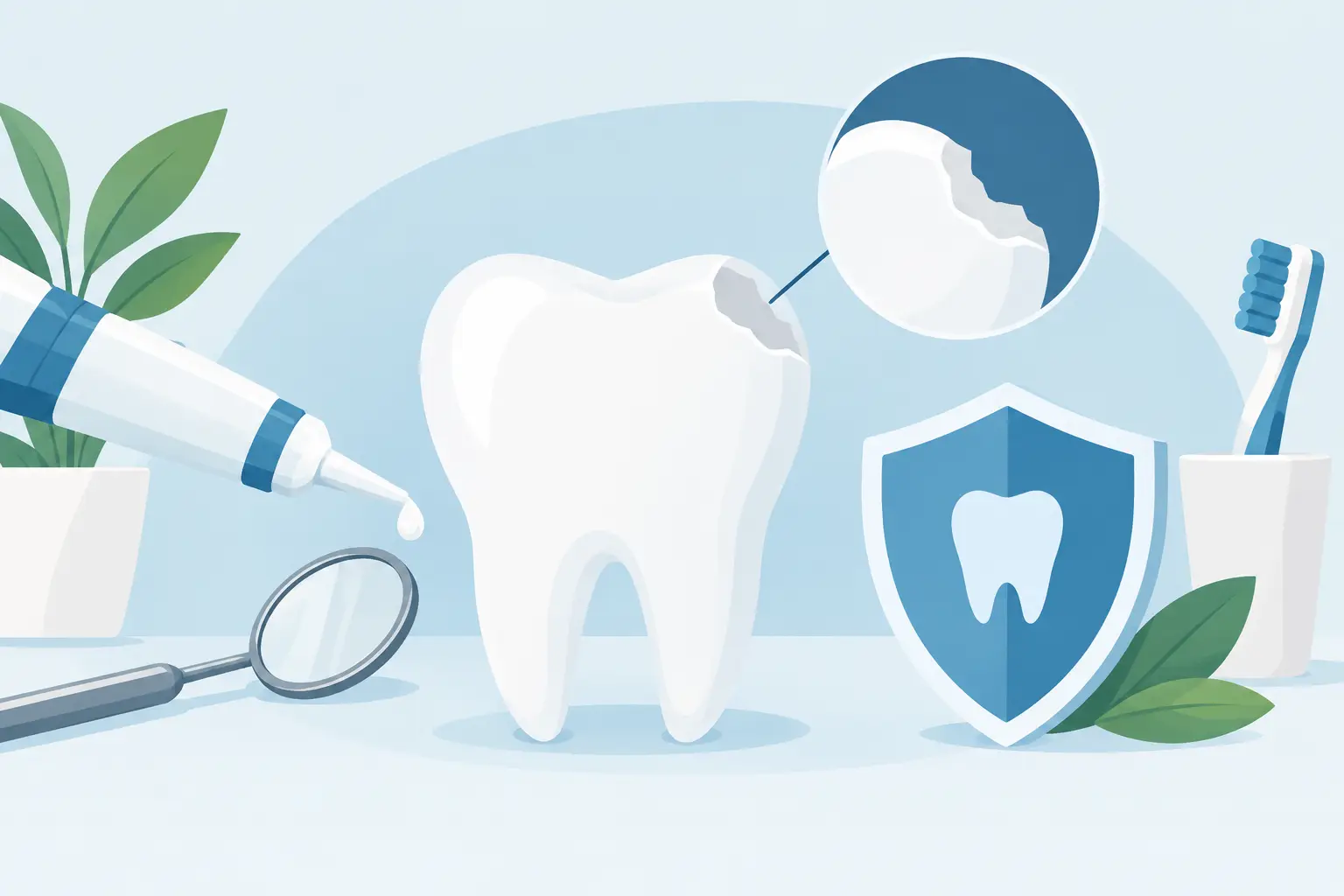
How to Treat a Chipped Tooth and Protect It
A chipped tooth can happen in one quick moment – a hard bite, a fall, a sports injury, or an old filling that gives way. Even a small chip can leave a sharp edge that catches your tongue, changes the way you bite, or makes you feel self-conscious when you smile. Knowing how to treat chipped tooth damage at home can protect the area until you are seen, but a dentist should determine whether the tooth needs repair.
Start by protecting the tooth
Rinse your mouth gently with warm water to clear away any debris. If you can find the broken piece of tooth, save it in a clean container with milk or saline solution and bring it to your dental visit. In some situations, the fragment may be useful to the dentist, although it cannot always be reattached.
If the edge feels sharp, cover it temporarily with dental wax available at many pharmacies. Sugar-free gum can work for a short time if dental wax is not available, but do not use it as a long-term fix. Avoid chewing on that side of your mouth, especially hard, crunchy, sticky, or very hot and cold foods.
A cold compress on the outside of your cheek can help reduce swelling after an injury. If you have pain, an over-the-counter pain reliever may help when used as directed on the label. Do not place aspirin directly on the tooth or gums, as it can irritate the soft tissue.
When a chipped tooth needs urgent dental care
Not every chip is an emergency, but it is always worth calling your dentist promptly. A chip can be more than a cosmetic concern. It may expose a sensitive inner layer of the tooth, weaken the remaining structure, or create a place where bacteria can collect.
Seek same-day dental guidance if you have significant pain, bleeding that does not stop, facial swelling, a loose tooth, or a chip after a blow to the face. You should also call right away if the tooth looks pink, red, or dark inside, which can indicate deeper damage. If you have trouble breathing or swallowing after an injury, seek emergency medical care.
For a small, painless chip, schedule a dental visit soon rather than waiting for your next routine cleaning. What feels minor today can worsen if the tooth continues to absorb biting pressure or develops a crack.
How dentists treat a chipped tooth
The right treatment depends on how much tooth structure is missing, where the chip is located, your bite, and whether the tooth’s nerve has been affected. At Star Dental Group, treatment planning considers both the health of the tooth and the appearance of your smile, so your repair feels comfortable and looks natural.
Smoothing and polishing
For a very small chip on an edge, the dentist may be able to gently smooth and polish the area. This is often a simple option when there is no pain, no crack, and no meaningful loss of tooth structure. The trade-off is that smoothing removes a small amount of enamel, so it is best only when the chip is minor.
Dental bonding
Cosmetic bonding is a common treatment for small to moderate chips, particularly on front teeth. The dentist applies tooth-colored composite resin, shapes it to match the natural tooth, and hardens it with a special light. Bonding can usually be completed in one visit and is often a more affordable way to restore a natural-looking edge.
Bonding is durable, but it can chip or stain over time, especially if you bite nails, chew ice, or use your teeth to open packages. With good home care and regular checkups, it can be an excellent solution for many patients.
Veneers
When a front tooth has a larger visible chip or other cosmetic concerns such as uneven shape, discoloration, or gaps, a veneer may be considered. A veneer is a custom shell placed on the front of the tooth to create a refined, balanced appearance. It can be a strong smile-enhancing option, but it generally requires more planning than bonding and may involve preparing the tooth surface.
Crowns
A crown may be recommended when a large portion of the tooth has broken away, the tooth already has a large filling, or the remaining structure is weak. A crown covers the tooth and helps restore its strength, shape, and ability to handle normal chewing forces. This is more extensive than bonding, but it can provide better protection for a heavily damaged tooth.
Root canal treatment and restoration
If the chip reaches the pulp, where the tooth’s nerve and blood supply are located, a root canal may be needed before the tooth is restored with a filling or crown. Signs can include lingering sensitivity, spontaneous pain, swelling, or a tooth that changes color. Acting early can help preserve the natural tooth when deeper injury is present.
What not to do after you chip a tooth
It can be tempting to ignore a small chip if it does not hurt. That approach can lead to more damage, especially if the chipped edge is part of a crack. Avoid trying to file the tooth at home, using household glue, or placing temporary repair material directly into a deep break without professional guidance.
Do not test the tooth by biting down repeatedly to see whether it hurts. Repeated pressure can turn a manageable chip into a larger fracture. For the same reason, switch to softer foods such as yogurt, eggs, cooked vegetables, pasta, and soup until your appointment.
If you wear a nightguard, retainer, or clear aligner, ask your dental office whether you should continue wearing it. A damaged tooth may have changed shape enough that an appliance no longer fits correctly.
Preventing another chip
Some chips are unpredictable, but many are connected to everyday pressure on the teeth. Teeth grinding, clenching, chewing ice, biting pens, and using teeth as tools can all increase the risk. If you wake with jaw soreness, frequent headaches, or worn-looking teeth, a custom nightguard may help protect your enamel while you sleep.
Sports guards matter, too. Children, teens, and adults who play contact sports should wear a properly fitted mouthguard. A custom option generally offers more secure protection and comfort than a loose, store-bought guard.
Regular exams also play a role. Dentists can spot worn enamel, old restorations, bite imbalance, and small cracks before they become a painful break. For patients who have delayed care because of cost or anxiety, asking about available treatment options early can make the repair more manageable.
A chipped tooth does not have to become a lasting source of discomfort or embarrassment. Protect the area, avoid putting it under more stress, and arrange a professional evaluation so you can get back to eating, speaking, and smiling with confidence.

