


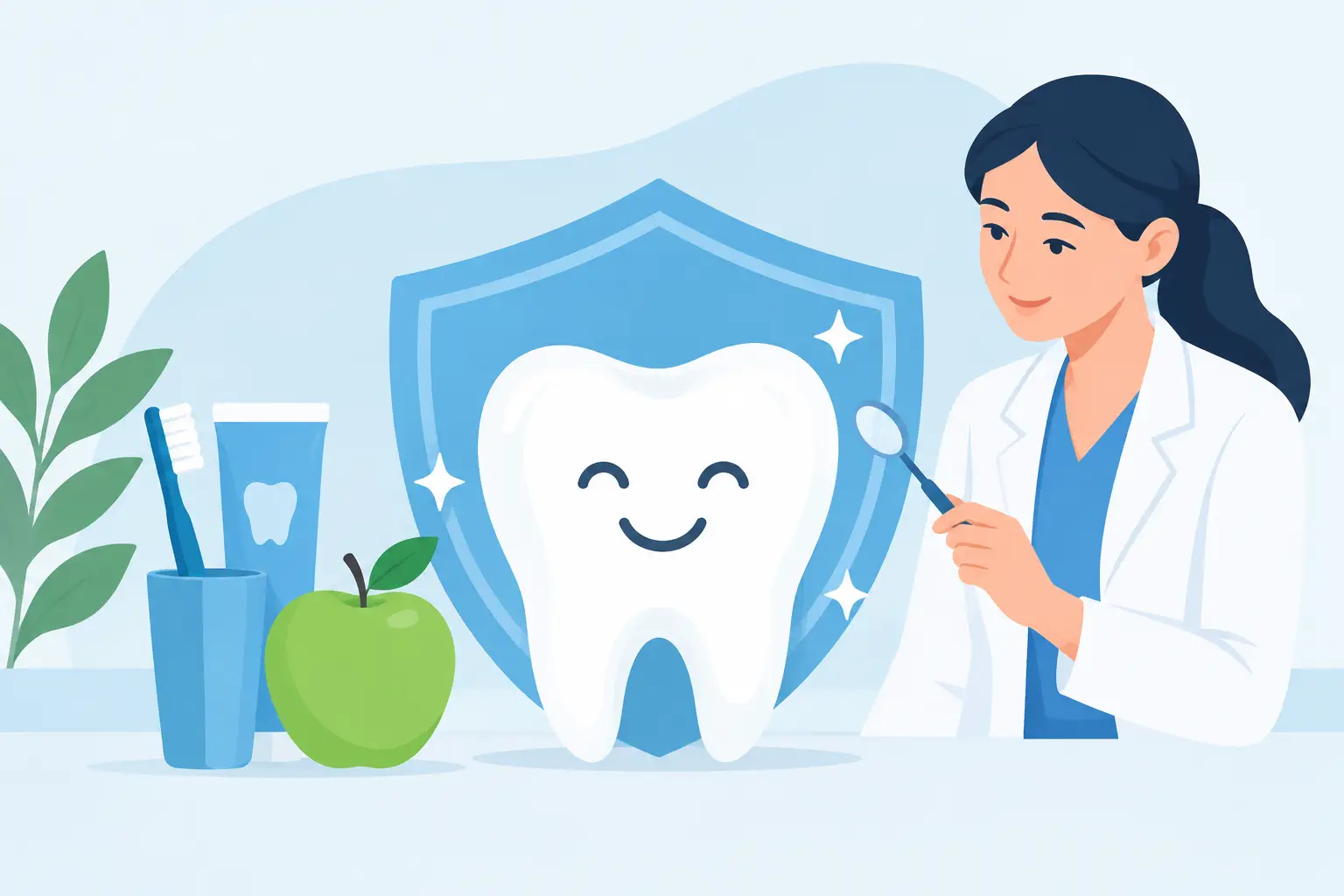
Preventive Dentistry for Healthier Smiles
A tooth can feel perfectly fine right up until a small cavity turns into a sudden toothache, an infection, or a broken tooth. That is why preventive dentistry is one of the most valuable choices you can make for your smile. Regular care helps find concerns early, when treatment is usually simpler, more comfortable, and more affordable.
For families, busy professionals, seniors, and anyone who has put off a dental visit, prevention is not about chasing a perfect smile. It is about protecting your ability to eat comfortably, speak confidently, and avoid dental surprises that disrupt your schedule and budget.
What Preventive Dentistry Includes
Preventive dentistry combines professional care at the dental office with the habits you practice at home. The goal is to stop decay, gum disease, enamel wear, and other concerns before they require more extensive treatment.
At a routine visit, your dental team may perform a professional cleaning, examine your teeth and gums, check your bite, screen for oral health concerns, and take digital X-rays when they are clinically appropriate. These services provide information that brushing alone cannot reveal. Cavities can form between teeth, gum disease can begin below the gumline, and old fillings can weaken without causing pain at first.
A cleaning removes hardened plaque, known as tartar, that cannot be brushed away at home. It also gives your hygienist and dentist an opportunity to spot changes in your oral health over time. Small changes matter. Catching early gum inflammation, a cracked filling, or a developing cavity can often prevent a more involved procedure later.
For some patients, preventive care also includes fluoride treatments, dental sealants, custom night guards, or guidance for dry mouth. The right plan depends on your age, health history, medications, diet, cavity risk, and daily habits. A child who is still learning to brush needs a different approach than an adult with a history of gum disease or a senior managing dry mouth from medications.
Why Preventive Dentistry Saves More Than Money
The most obvious benefit of prevention is avoiding larger dental bills. A routine exam and cleaning are generally far less costly than emergency treatment, root canal therapy, crowns, extractions, or tooth replacement. Yet the value goes beyond cost.
Dental pain has a way of appearing at the worst possible time: before a work presentation, during a family trip, or late on a weekend. Preventive visits reduce the likelihood of these urgent situations by identifying concerns before they reach that point. They also allow you to plan treatment on your timeline rather than making a rushed decision while in discomfort.
Preventive care supports your overall quality of life as well. Healthy gums and teeth make it easier to enjoy the foods you love, speak without self-consciousness, and maintain a smile that feels like your own. For patients considering cosmetic dentistry, a healthy foundation is essential. Whitening, veneers, orthodontics, and other smile improvements begin with teeth and gums that are stable and well cared for.
The Habits That Matter Between Visits
A professional cleaning twice a year is helpful, but it cannot replace daily home care. Your habits between appointments have the greatest influence on plaque buildup and cavity risk.
Brush twice a day for two full minutes using a soft-bristled toothbrush and fluoride toothpaste. Pay special attention to the gumline and the back teeth, where plaque often collects. Brushing too aggressively is not better. A gentle, thorough technique protects your gums and enamel more effectively than scrubbing hard.
Clean between your teeth once a day with floss, floss picks, or an interdental brush. Your dentist or hygienist can help you choose an option you will actually use consistently. The best tool is the one that fits comfortably into your routine and cleans areas your toothbrush cannot reach.
What you eat and drink also matters. Frequent sipping on soda, sports drinks, sweet tea, juice, or flavored coffee exposes teeth to sugar and acid throughout the day. You do not have to eliminate every treat to care for your smile, but reducing frequent snacking and choosing water between meals can make a meaningful difference. If you enjoy something acidic or sugary, having it with a meal is often easier on your teeth than slowly consuming it over several hours.
When Your Prevention Plan May Need More Attention
Not everyone needs the same appointment schedule. Many patients benefit from checkups and cleanings every six months, but some need care more often. This is not a sales tactic. It is based on the individual factors that affect how quickly plaque accumulates and how likely someone is to develop decay or gum disease.
You may need more frequent preventive visits if you have a history of periodontal disease, smoke or use tobacco, have diabetes, are pregnant, wear braces, or have dry mouth. Patients with dental implants, bridges, crowns, or dentures also benefit from regular monitoring. Restorations are durable, but they still need professional evaluation to make sure the supporting teeth and gums remain healthy.
Bleeding gums, persistent bad breath, tooth sensitivity, pain when chewing, loose teeth, or a change in your bite should not wait until your next routine appointment. These symptoms do not always mean a serious problem, but they deserve an examination. Early attention can protect more of your natural tooth structure and help avoid unnecessary discomfort.
Prevention for Children, Teens, and Adults
For children, preventive visits build familiarity with the dental office before treatment is ever needed. Early appointments give parents practical help with brushing, fluoride use, diet, thumb-sucking concerns, and the timing of orthodontic evaluations. A calm, positive experience can make future dental care much less stressful.
Teens often face different challenges. Braces, sports activities, energy drinks, and inconsistent brushing can all raise the risk of cavities or chipped teeth. Protective mouth guards and focused hygiene coaching can help safeguard a growing smile.
Adults are often managing old fillings, crowns, gum recession, grinding, and the effects of busy schedules. Preventive care makes it possible to monitor these concerns before they become urgent. For seniors, regular visits are especially useful for managing dry mouth, checking the fit of dentures, and maintaining the gums and bone that support natural teeth or implants.
A Comfortable Way to Get Back on Track
Dental anxiety, a difficult past appointment, and concerns about cost can all make it easy to delay care. If it has been years since your last cleaning, you are not alone, and you should not feel embarrassed. The first step is simply an exam and an honest conversation about your goals, concerns, and budget.
A patient-centered office should explain what it sees, what treatment is necessary now, what can be monitored, and what options may be available. Not every concern requires immediate extensive treatment. On the other hand, waiting on an active infection or progressing gum disease can make care more complex. Clear information helps you make decisions with confidence.
At Star Dental Group, preventive visits can be the starting point for a complete, personalized view of your oral health. With general, restorative, cosmetic, implant, and orthodontic care available in one practice, patients can receive guidance that considers both function and appearance without being sent from office to office.
Make Prevention Part of Your Routine
The right time to schedule a dental visit is before a tooth starts hurting. A regular checkup gives you a clear picture of where your smile stands and a practical plan for keeping it healthy. Whether you are bringing in your child for a first visit, returning after a long break, or maintaining dental work you already have, prevention gives you more control over your oral health.
A healthy smile is built through small, repeatable decisions: brush thoroughly, clean between your teeth, choose water more often, and keep your regular dental appointments. Those simple steps can help protect the smile you rely on every day.

