


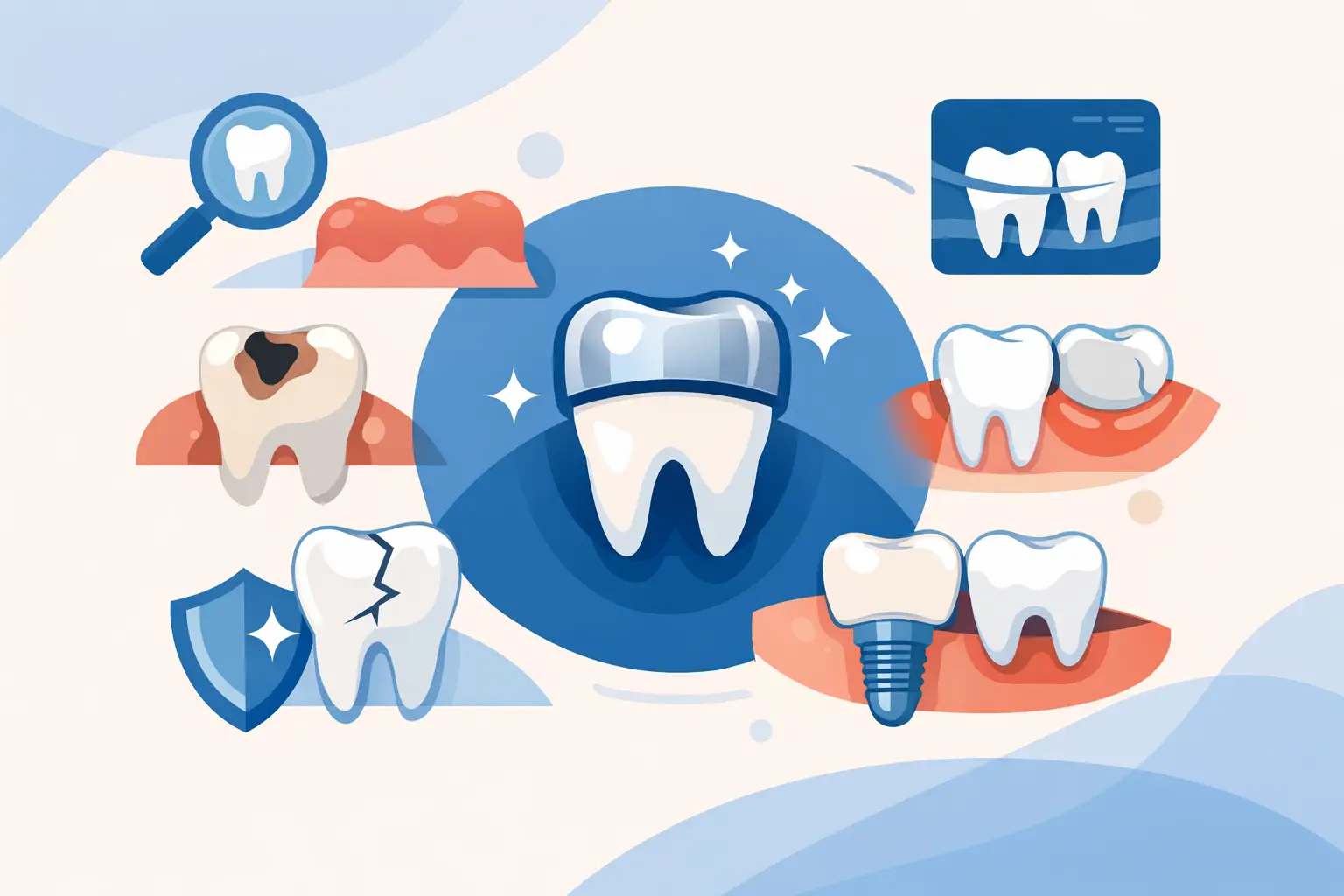
What Does a Dental Crown Fix? 6 Common Problems
A tooth can look only slightly damaged and still be too weak to handle everyday chewing. A deep cavity, a large old filling, or a crack can leave the remaining tooth structure vulnerable to breaking at the worst possible time. So, what does a dental crown fix? A crown restores and protects a tooth that is damaged, weakened, worn down, or cosmetically compromised while helping it function more like a natural tooth again.
A dental crown is a custom-made cover that fits over the visible portion of a prepared tooth. It is not a one-size-fits-all solution, and it does not replace healthy enamel unnecessarily. When a tooth has enough healthy structure to save but needs stronger protection than a filling can provide, a crown may be the right treatment.
What Does a Dental Crown Fix?
Dental crowns are designed to restore the shape, strength, appearance, and chewing function of a tooth. Depending on your needs, a crown may be made from porcelain, ceramic, zirconia, metal, or a combination of materials. The best choice depends on the tooth’s location, your bite, your cosmetic goals, and how much pressure the tooth receives.
A crown can address several common concerns at once. It can reinforce a damaged tooth, cover discoloration or irregular shape, restore a more comfortable bite, and reduce the chance that a weakened tooth will fracture further. However, a crown does not cure every dental issue. Active gum disease, untreated decay, or an infection inside the tooth may need care before a final crown is placed.
1. A Tooth With Severe Decay
Small cavities can often be repaired with fillings. But when decay removes a large amount of tooth structure, there may not be enough strong enamel left to support a filling over time. The tooth can crack around the filling or break during chewing.
After the decay is removed, a crown can cover the remaining healthy structure and help distribute biting forces more evenly. This is especially common for molars, which handle much of the pressure from chewing. Treating major decay before it reaches the nerve can also help patients avoid more extensive treatment later.
2. A Cracked, Chipped, or Broken Tooth
A noticeable chip may be a cosmetic concern, but a crack can be a functional concern as well. Some cracks cause pain when biting or when releasing the bite. Others may not hurt right away but can deepen over time, allowing bacteria to reach the inside of the tooth.
A crown holds the tooth together by covering it on all sides. It is often recommended when a crack is too large for bonding or a filling to reliably protect. The outcome depends on where the crack extends. If it reaches below the gumline or deeply into the root, saving the tooth may not be possible. An examination and X-rays help determine whether a crown is appropriate.
3. A Tooth After Root Canal Treatment
Root canal treatment removes infected or inflamed tissue from inside a tooth, allowing the tooth to remain in place rather than being extracted. Once treatment is complete, the tooth needs a durable restoration to seal and protect it.
Back teeth treated with a root canal often need crowns because they absorb heavy chewing forces and may already have lost significant structure from decay or an old filling. Front teeth do not always require crowns after root canal treatment. If enough tooth structure remains and cosmetic needs are limited, another restoration may be recommended. Your dentist will assess the tooth rather than applying the same treatment to every case.
4. A Worn-Down Tooth
Teeth can gradually lose height and shape due to grinding, clenching, acidic erosion, or years of normal wear. Worn teeth may look shorter, feel sensitive, or make the bite feel uneven. In more advanced cases, the changes can affect chewing comfort and the appearance of the smile.
Crowns can rebuild a tooth’s original form and restore lost height. But the cause of wear matters. If grinding or clenching continues without protection, even a high-quality crown can chip, loosen, or wear prematurely. A custom night guard may be advised to protect both your restoration and your natural teeth.
5. A Tooth With a Large or Failing Filling
Large fillings are helpful when they are appropriate, but they can leave thin walls of tooth structure around the edges. Over time, those walls may weaken or fracture. Old fillings can also leak, crack, or develop recurrent decay beneath them.
When replacing a large filling, a crown may provide more complete coverage and strength. This choice is based on how much healthy tooth remains, the size of the restoration, and whether the tooth shows signs of cracks. In some situations, an inlay or onlay can preserve more natural tooth structure while still providing added protection. A careful evaluation helps identify the most conservative option that will last.
6. A Tooth That Needs Cosmetic Improvement
Crowns can improve the appearance of a tooth that is severely discolored, irregularly shaped, undersized, or damaged by trauma. They are often used when whitening will not change the color of a tooth, such as discoloration caused by certain medications, old dental materials, or prior root canal treatment.
For minor cosmetic concerns, bonding or veneers may be a less extensive option. A crown is generally better suited to a tooth that also needs structural support. The goal should be a result that looks natural and complements your facial features, neighboring teeth, and bite – not simply a brighter shade.
What a Dental Crown Cannot Fix by Itself
A crown is strong, but it does not make a tooth indestructible or eliminate the need for ongoing care. It cannot reverse untreated gum disease, repair a tooth with an untreatable root fracture, or replace a missing tooth on its own. For a missing tooth, a crown may be attached to a dental implant or used as part of a bridge, depending on your oral health and treatment goals.
A crown also cannot stop future decay at the margin where the crown meets the natural tooth. Daily brushing with fluoride toothpaste, cleaning between teeth, and regular professional visits remain essential. If bacteria collect at the edge of a crown, a new cavity can form beneath it without obvious symptoms at first.
What to Expect When Getting a Crown
The process usually begins with an exam, X-rays when needed, and a conversation about what is happening with the tooth. Your dentist will check the health of the tooth, surrounding gums, root, and bite before recommending a crown.
To prepare the tooth, a small amount of its outer surface is reshaped so the crown can fit naturally. Digital scans or impressions are then used to create a custom restoration. Many patients wear a temporary crown while the final crown is being made. Once the final crown is ready, it is checked for fit, color, comfort, and bite before being securely bonded in place.
Some offices offer same-day crown technology for qualifying cases. Other situations call for a traditional laboratory-made crown, particularly when more detailed shade matching or complex treatment planning is needed. The right approach should prioritize a precise, comfortable result rather than speed alone.
How Long Do Dental Crowns Last?
With good care, many crowns last 10 to 15 years or longer. Their lifespan varies based on the crown material, the location of the tooth, oral hygiene, diet, bite forces, and habits such as chewing ice or using teeth to open packages.
Call your dentist if a crowned tooth becomes sensitive, painful when biting, loose, chipped, or rough along the gumline. These changes do not always mean the crown has failed, but they deserve prompt attention. Early care may prevent a small concern from becoming a larger repair.
If you have a damaged or painful tooth, you do not have to guess whether it needs a filling, crown, root canal treatment, or another option. A personalized evaluation at Star Dental Group can clarify what is happening and help you choose care that protects your comfort, smile, and budget.

