


Complete Guide to Dental Implants
Missing a tooth changes more than your smile. It can affect how you chew, how clearly you speak, and how confident you feel when you laugh or meet someone new. This complete guide to dental implants is here to make the process easier to understand, especially if you have been putting off treatment because of cost, fear, or not knowing where to start.
Dental implants are one of the most reliable ways to replace missing teeth because they do more than fill a gap. They replace the root of the tooth, help support the jawbone, and create a stable foundation for a crown, bridge, or denture. For many adults, that means a result that feels more secure and natural than traditional options.
What dental implants actually are
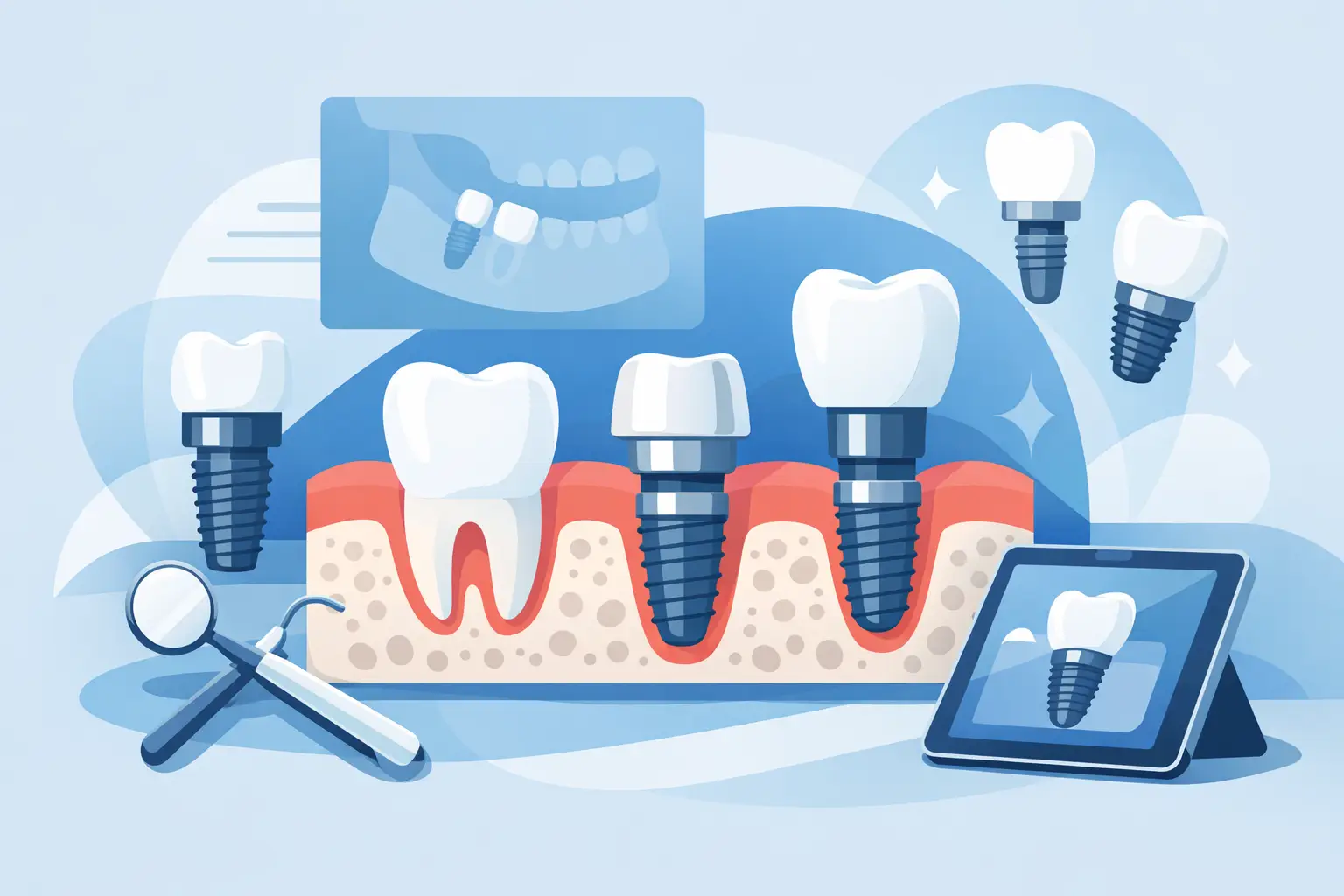
A dental implant is a small post, usually made of titanium, that is placed in the jawbone where a tooth root used to be. Over time, the bone fuses with the implant in a process called osseointegration. Once healing is far enough along, the implant can support the visible replacement tooth.
That visible part may be a single crown, a bridge that replaces several teeth, or a full-arch restoration for patients missing most or all of their teeth. This is one reason implants are so versatile. The same basic technology can solve very different problems, from one missing tooth to a full-mouth rebuild.
A complete guide to dental implants starts with candidacy
Not everyone has the exact same path to treatment. A good candidate for dental implants usually has healthy gums, enough jawbone to support the implant, and a commitment to good home care. That said, not having perfect oral health does not always rule you out.
Some patients need gum treatment first. Others need a bone graft because the jaw has shrunk after a tooth was lost. Smokers, patients with uncontrolled diabetes, and people with certain health conditions may still be candidates, but the plan may need extra caution. This is where a full evaluation matters. The right answer is not always yes or no. Often, it is yes, with the right preparation.
Why so many patients choose implants
Traditional bridges and dentures still have value, and in some cases they may be the better fit for your budget or timeline. But implants offer benefits that matter in everyday life.
They are designed to stay in place, so you do not have to think about slipping or movement while eating or talking. They also help preserve bone in the jaw, which can reduce the sunken look that sometimes develops after tooth loss. Many patients also like that implants do not require neighboring healthy teeth to be filed down the way a conventional bridge often does.
The biggest benefit, though, is often peace of mind. When treatment is done well, implants can feel much closer to having your own teeth back.
The dental implant process step by step
The first step is a consultation and exam. This usually includes digital imaging and a close look at your teeth, gums, bite, and bone levels. If you are missing several teeth or have complex needs, a full-mouth plan may be recommended so the final result looks balanced and functions well.
Next comes any preliminary treatment. That might mean removing a damaged tooth, treating gum disease, or performing a bone graft. Some patients can have an implant placed right after an extraction, while others need a healing period first. It depends on the condition of the area and the stability needed for long-term success.
The implant placement itself is a surgical procedure, but for many patients it is more manageable than expected. The area is numbed, and the implant is placed into the jawbone. After that, healing begins. Over the next few months, the implant bonds with the bone.
Once the implant is stable, an abutment is attached. This connects the implant to the final restoration. Then the custom crown, bridge, or denture is placed. The goal is not just to fill space, but to create a bite that is comfortable, functional, and natural-looking.
Does getting implants hurt?
This is one of the first questions patients ask, and it is a fair one. During the procedure, local anesthesia is used so you should not feel sharp pain. Afterward, some soreness, swelling, and tenderness are normal, especially in the first few days.
For many people, recovery is easier than they expected. If you have had a tooth extraction before, the healing may feel somewhat similar, though every case is different. The amount of discomfort depends on how many implants are placed, whether grafting was done, and your personal pain tolerance. Following aftercare instructions makes a real difference.
How long dental implants last
Dental implants are designed to be a long-term solution. The implant post itself can last for many years, and often much longer, when it is properly placed and well maintained. The restoration on top, such as a crown, may eventually need repair or replacement because of normal wear.
Longevity depends on several factors, including oral hygiene, bite forces, smoking habits, and regular dental visits. Grinding and clenching can also put extra pressure on implants, which is why some patients benefit from a night guard.
Implants are not a set-it-and-forget-it treatment. They need the same kind of daily attention your natural teeth do.
Cost and value: what affects the price
One reason patients delay treatment is concern about cost. That is understandable. Implant treatment can be a bigger upfront investment than other tooth replacement options. But the total value depends on more than the first number you hear.
The final cost can vary based on how many teeth are being replaced, whether an extraction or bone graft is needed, the type of restoration used, and how complex the case is. A single implant is very different from full-mouth implant treatment. Materials, imaging, and sedation options can also affect pricing.
For many patients, the better question is not simply what implants cost, but what they prevent. Replacing missing teeth can help protect chewing function, reduce shifting of nearby teeth, and support better long-term oral health. Affordable care matters, but so does choosing a treatment that will hold up over time.
Single tooth, multiple teeth, or full arch?
If you are missing one tooth, a single implant with a crown is often the most straightforward option. It replaces the root and the visible tooth without relying on adjacent teeth for support.
If you are missing several teeth in a row, an implant-supported bridge may work well. This can restore function without placing an implant for every single missing tooth.
If you wear dentures or are facing widespread tooth loss, full-arch implant treatment may be worth discussing. In some cases, a full upper or lower arch can be supported by a strategic number of implants. This option can improve stability, comfort, and confidence compared with removable dentures. It is not right for everyone, but for the right patient, it can be life-changing.
Common concerns patients have
Some patients worry they have waited too long. Others assume they are too old for implants. Age by itself is usually not the deciding factor. Overall health, bone support, and treatment goals matter more.
Another concern is appearance. Patients often ask if the implant tooth will look fake. A well-made restoration should be shaped and shaded to blend with your smile. If several teeth are involved, treatment planning becomes even more important so the result looks natural with your face, bite, and gumline.
Patients with dental anxiety often worry about the process before they even worry about the result. That is why a supportive, clearly explained treatment experience matters. When a practice can handle implant planning, restorative work, and related dental needs under one roof, the process often feels less stressful and more coordinated.
How to protect your implant investment
The basics matter. Brush well, clean around the implant carefully, and keep up with professional checkups and cleanings. Gum health is essential because implants still depend on healthy surrounding tissue for support.
If you smoke, cutting back or quitting can improve healing and long-term outcomes. If you grind your teeth, ask about protecting the restoration from excess force. Small habits can make a big difference in how well your implant performs over the years.
At a practice like Star Dental Group, where patients can receive comprehensive care in one location, implant treatment can be planned with the bigger picture in mind. That matters when your goal is not just to replace a tooth, but to restore comfort, appearance, and long-term oral health.
If you have been living with a missing tooth, a loose denture, or a smile you no longer feel good about, the next step does not have to be overwhelming. A clear exam, honest answers, and a treatment plan built around your needs can turn a big decision into a manageable one.

