


Best Ways to Replace Missing Teeth
Losing a tooth changes more than your smile. It can change the way you chew, the way you speak, and even how confident you feel when you laugh or meet someone new. If you are weighing the best ways to replace missing teeth, the right choice depends on where the tooth is, how many teeth are missing, your budget, and what you want long term.
Some patients want the option that feels most like a natural tooth. Others want the most affordable way to restore function now and plan for something more permanent later. Both are reasonable goals. The key is choosing a solution that fits your health, your timeline, and your daily life.
Best ways to replace missing teeth: what actually works?
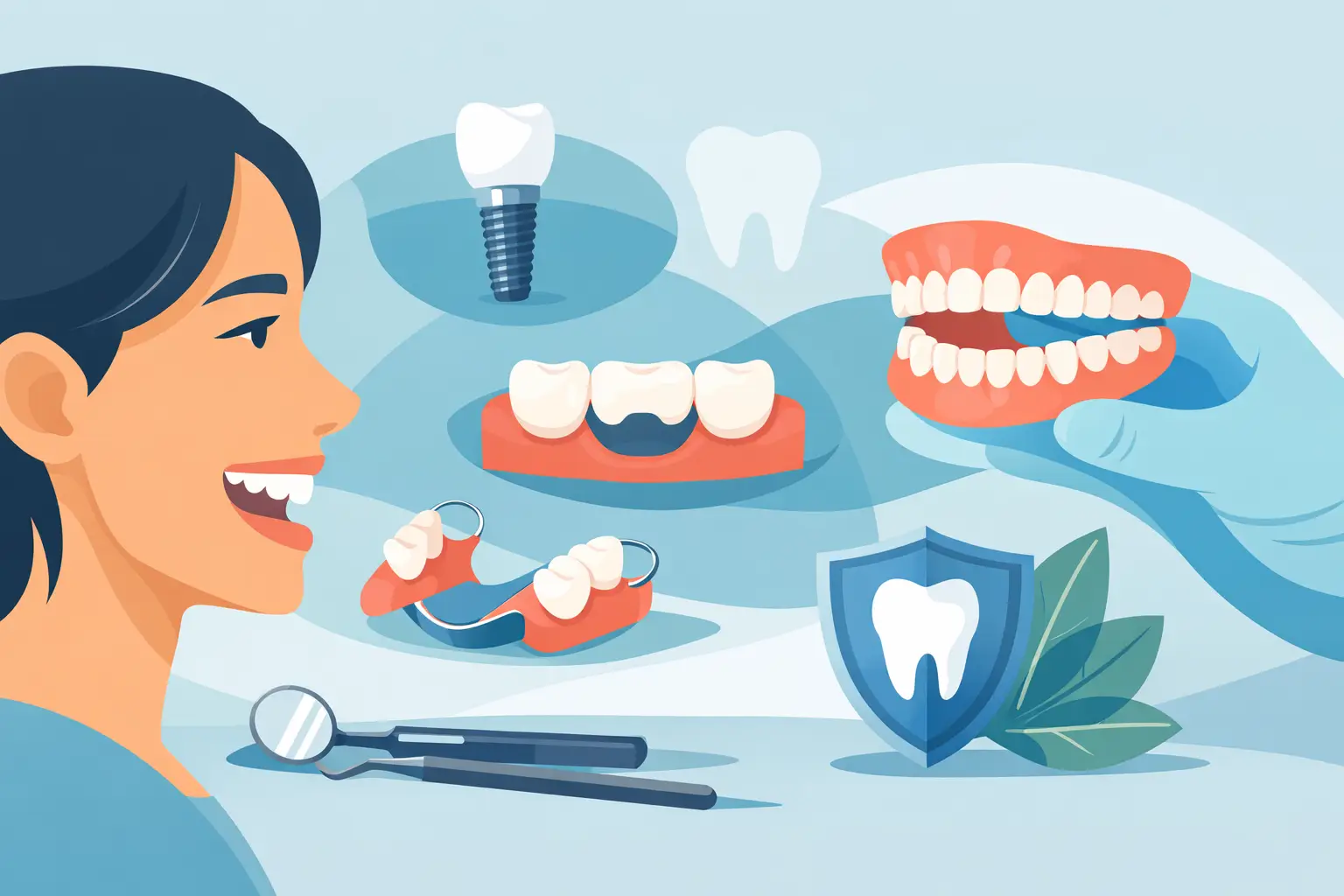
There is no single answer for everyone, but there are three main treatment categories dentists recommend most often: dental implants, dental bridges, and dentures. Each option can restore appearance and function, but they work very differently.
The best treatment is usually the one that solves your current problem without creating a bigger one later. That means looking beyond the upfront price and considering comfort, maintenance, durability, and how the treatment affects the rest of your mouth.
Dental implants
Dental implants are often considered the closest replacement to a natural tooth. An implant uses a small titanium post placed in the jawbone, topped with a custom crown. Because the implant is anchored in bone, it stays stable and helps support the jaw over time.
For a single missing tooth, this is often the most complete option. It does not rely on neighboring teeth for support, and it can look very natural when properly planned. Many patients also prefer implants because they do not shift or need to be removed.
The trade-off is time and cost. Implants usually take longer than other options because healing is part of the process. Some patients also need bone grafting before implant placement if bone loss has already occurred. The upfront investment is higher, but the long-term value can be strong because implants are built to last with good care.
Implants can also replace multiple missing teeth. In some cases, several teeth can be restored with implant-supported bridges or full-arch solutions rather than one implant per tooth. That can make treatment more efficient and more stable than traditional removable dentures.
Dental bridges
A dental bridge fills the gap by attaching an artificial tooth to the natural teeth on either side. This option is commonly used when one tooth is missing and the neighboring teeth are strong enough to support the bridge.
Bridges are popular because treatment is usually faster than implants, and they can provide a fixed solution without surgery. For many patients, that makes them a practical middle ground between removable dentures and implants.
Still, bridges come with trade-offs. The teeth next to the gap often need to be reshaped to support the crowns that hold the bridge in place. If those teeth are healthy and untouched, some patients prefer not to alter them. Bridges also do not replace the tooth root, so they do not stimulate the jawbone the way an implant does.
That does not make a bridge a poor choice. In the right case, it can be an excellent one. If the neighboring teeth already need crowns, a bridge may offer a smart and efficient way to restore the area.
Dentures
Dentures remain one of the most common and affordable ways to replace missing teeth, especially when several teeth or a full arch are missing. They can be partial, replacing some teeth, or full, replacing all teeth in the upper or lower arch.
Today’s dentures can look much more natural than many people expect. They can restore facial support, improve chewing, and help patients who have been struggling with multiple damaged or missing teeth finally feel comfortable smiling again.
The biggest advantage is accessibility. Dentures are often more budget-friendly upfront and can be completed without oral surgery. For some patients, that makes them the best first step.
The challenge is stability. Traditional removable dentures can move while eating or speaking, and they may need adjustments over time as the shape of the gums and jaw changes. Some patients adapt well to them. Others find them frustrating.
That is why implant-supported dentures have become such a strong option. They combine the broader tooth replacement of a denture with the added retention of implants, often creating a more secure and comfortable fit.
How to choose among the best ways to replace missing teeth
The right treatment starts with the details of your case. A single missing back tooth is different from several missing front teeth. A healthy jawbone creates different options than a mouth with bone loss, gum disease, or untreated decay.
Your health matters too. Some patients are excellent candidates for implants right away. Others may do better starting with periodontal treatment, extractions, or bone support procedures first. This is one reason full-mouth treatment planning matters. Looking at the whole picture helps avoid short-term fixes that do not hold up.
Lifestyle is another factor that gets overlooked. If you want the least maintenance and the most natural feel, implants may rise to the top. If you want a fixed option without surgery, a bridge might make more sense. If affordability is the main concern, a partial or full denture may be the most realistic place to start.
None of these priorities are wrong. They just lead to different recommendations.
Cost, value, and what patients often regret
When patients ask about cost, they are usually trying to answer a bigger question: what will I be happiest with a year or five years from now?
The lowest upfront cost is not always the lowest lifetime cost. A traditional denture may be more affordable at first, but if it becomes uncomfortable, needs frequent relines, or leaves you wanting more stability, it can feel like a temporary answer. A bridge may solve the problem well, but if the supporting teeth later need more treatment, the long-term picture can change.
Implants often cost more at the beginning, but many patients appreciate that they are independent, stable, and designed to preserve bone. For the right candidate, that can make them a strong long-term investment.
What patients most often regret is waiting too long. Missing teeth can lead to shifting, bite changes, uneven wear, and continued bone loss. The longer the space is left untreated, the more complex the solution can become.
What if you are nervous about treatment?
That is common, especially if you have delayed care because of fear, time, or financial concerns. The good news is that replacing missing teeth is not one-size-fits-all. A good dental team should explain your options clearly, show you what is urgent versus what can wait, and help you understand both the clinical and financial side before treatment starts.
For many patients, the most reassuring part is simply having a plan. Once you know whether your best option is an implant, bridge, denture, or phased treatment, the process feels more manageable.
If you need multiple services, it is often easier when one practice can coordinate everything from diagnostics to restorative and cosmetic care. That reduces confusion and helps keep treatment aligned from start to finish.
Which option looks the most natural?
All three options can look attractive when they are properly designed. The most natural-looking result depends on gum shape, tooth position, materials, and how the restoration blends with your smile.
For a single tooth, implants and high-quality bridges usually offer the most natural appearance because they emerge more like real teeth. Dentures can also look very good, especially when they are customized carefully, but esthetics can be more challenging when there has been significant bone and tissue loss.
If appearance is a major concern, especially for front teeth, planning matters just as much as the restoration itself. This is where a multi-specialty approach can help. At Star Dental Group, patients who need function restored and want a confident smile often benefit from having both restorative and cosmetic goals considered together.
The best tooth replacement is the one you can live with comfortably, maintain confidently, and trust every time you eat, speak, and smile. If you are not sure where to start, start by getting clear answers. A well-planned solution can do more than fill a gap. It can make everyday life feel normal again.

