


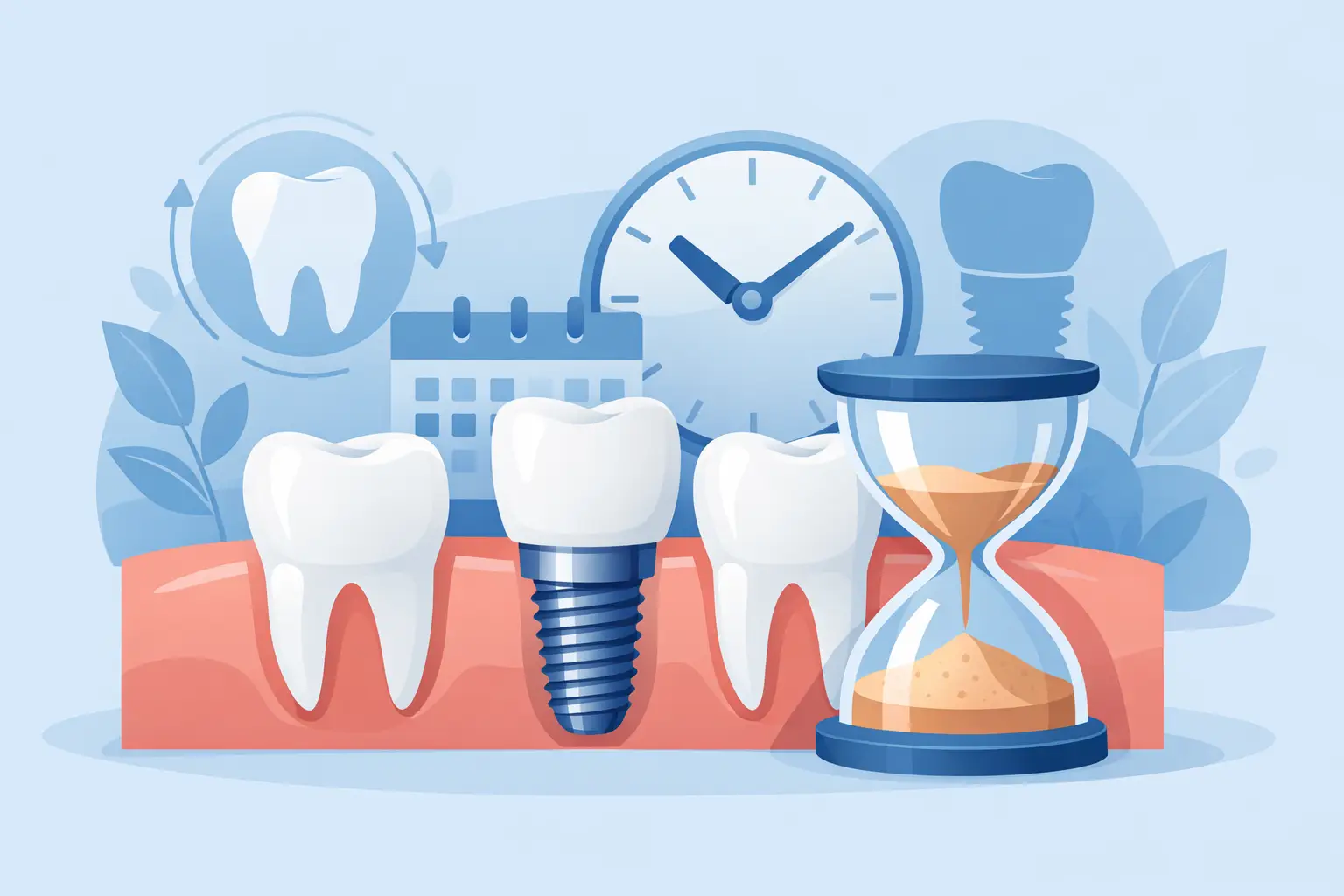
How Long Do Dental Implants Last?
A dental implant is not something most people want to replace twice. If you are weighing the cost, healing time, and long-term value, one of the first questions you will ask is how long do dental implants last. The short answer is that the implant post itself can last for decades, and in many cases a lifetime, but the visible restoration on top may need maintenance or replacement sooner.
That distinction matters. A dental implant has multiple parts, and they do not all age at the same rate. When patients hear that implants are built to last, that is generally true, but it does not mean every component will stay untouched forever.
How long do dental implants last in real life?
The titanium implant post that is placed in the jawbone is designed to be a long-term replacement for a natural tooth root. With good placement, healthy bone support, and solid home care, that post can remain stable for 20 years or much longer. Many patients keep their implants for life.
The crown, bridge, or denture attached to the implant usually has a shorter lifespan than the post. A single implant crown often lasts 10 to 15 years before it shows enough wear that repair or replacement makes sense. Some restorations last longer, especially when bite pressure is well controlled and the patient keeps up with dental visits.
So if you are asking how long do dental implants last, the most accurate answer is this: the implant itself may last decades, while the restoration on top may eventually need attention.
What affects how long dental implants last?
Implants are durable, but they are not indestructible. Their lifespan depends on a mix of clinical factors and daily habits.
Bone quality is a major one. An implant needs enough healthy bone to integrate properly with the jaw. If bone loss is already advanced, additional treatment such as grafting may be needed to create a stable foundation. The stronger the foundation, the better the long-term outlook.
Placement also matters. Implant dentistry is precise. The angle, depth, and position of the implant affect both function and longevity. A well-planned implant is easier to clean, better able to handle bite forces, and less likely to create stress on surrounding structures.
The restoration design matters too. A crown that fits well and distributes pressure properly will generally last longer than one that takes too much force in one area. This is especially important for molars, where chewing pressure is strongest.
Then there is the part patients control every day. Oral hygiene, smoking, teeth grinding, diet, and consistency with checkups all play a role in how an implant performs over time.
The biggest reasons implants fail early or wear down later
Early implant failure is uncommon, but it can happen. In most cases, it occurs when the implant does not fully fuse with the bone during healing. Infection, uncontrolled medical conditions, smoking, or too much pressure on the implant too soon can all interfere with that process.
Later failure tends to look different. Sometimes the implant post stays in place, but the gum and bone around it become inflamed. This condition, often called peri-implant disease, can threaten the stability of the implant if it is not treated. It usually starts with plaque buildup and poor cleaning around the implant site.
Mechanical wear is another issue. Crowns can chip. Screws can loosen. Dentures attached to implants can need relining or replacement over time. That does not always mean the implant has failed. Often, it means the supporting restoration needs maintenance, just like other dental work.
For patients who clench or grind their teeth at night, wear happens faster. The implant cannot shift the way a natural tooth can, so heavy force may transfer directly to the restoration and surrounding structures. A night guard can make a meaningful difference in protecting that investment.
Do dental implants last longer than bridges or dentures?
In many cases, yes. Traditional dental bridges often last around 7 to 15 years, depending on oral hygiene, bite forces, and the health of the supporting teeth. Removable dentures can work well, but they usually require more frequent adjustments and may need replacement every several years as the mouth changes shape.
Implants offer an advantage because they replace the tooth root, not just the visible tooth. That helps preserve bone and can create more long-term stability. They also do not rely on neighboring teeth for support the way a traditional bridge does.
That said, implants are not automatically the best option for every patient. Treatment planning should account for bone levels, gum health, medical history, budget, and overall goals. Some people are ideal candidates for a single implant. Others may benefit more from an implant-supported bridge or denture. This is one reason a full-mouth approach can be so helpful. It allows the dentist to look at function, appearance, and long-term maintenance together instead of treating one tooth in isolation.
How to make dental implants last as long as possible
Good habits matter more than many patients realize. Even though an implant cannot get a cavity, the tissue around it can still become infected or damaged.
Brushing twice a day and cleaning carefully around the implant is essential. Flossing, interdental brushes, or other tools recommended by your dentist help remove plaque from the gumline and around the restoration. Skipping this step is one of the fastest ways to shorten the life of an implant.
Routine dental visits matter just as much. Professional cleanings help remove buildup in hard-to-reach areas, and exams allow your dentist to spot early signs of inflammation, bite problems, or wear before they turn into larger repairs.
If you smoke, cutting back or quitting can significantly improve your long-term outcome. Smoking affects blood flow and healing, and it raises the risk of implant complications.
If you grind your teeth, treating that issue is not optional. A custom night guard may protect both your implant and your natural teeth from excessive force.
And if something feels off, do not wait. A loose crown, sore gum tissue, or a change in your bite is easier to address early than after damage builds up.
Signs your implant may need attention
A healthy implant should feel stable and comfortable. You should be able to chew confidently without pain or movement.
If you notice bleeding around the implant, swelling, a bad taste, discomfort when chewing, or a crown that feels loose, it is time to schedule an exam. These symptoms do not always mean the implant is failing, but they should not be ignored.
In many cases, the fix is relatively simple when caught early. A crown may need adjustment. A screw may need tightening. Gum inflammation may respond well to professional treatment and improved home care. Waiting tends to make every problem more complicated.
Are dental implants worth it for the long term?
For many patients, yes. Implants tend to cost more upfront than some other tooth replacement options, but they often deliver better long-term value because of their stability, function, and durability. They can help preserve bone, support a stronger bite, and restore confidence in a way that feels closer to a natural tooth.
They are also one of the few restorative options that can improve both function and appearance without putting extra strain on neighboring teeth. For adults who want a solution that looks natural and holds up well over time, that can be a major benefit.
Still, worth is personal. If someone is not ready to commit to home care or follow-up visits, an implant may not perform as well as expected. The best results usually come when the treatment plan fits the patient’s health, budget, and daily habits.
At a modern multi-specialty practice like Star Dental Group, that planning can happen under one roof, which makes it easier to evaluate implants in the context of your full oral health instead of as a stand-alone procedure.
The bottom line on how long do dental implants last
If you want the clearest answer to how long do dental implants last, think in terms of decades, not just years. The implant post can often last a lifetime, while the crown or other restoration may need replacement after 10 to 15 years or more. Your habits, your health, and the quality of the treatment plan all influence that timeline.
The encouraging part is that implants are not high-maintenance in a complicated way. They simply reward consistency. If you keep them clean, protect them from excess force, and stay on top of routine care, they can serve you very well for a long time.
If you are considering implants, the smartest next step is not guessing from averages. It is getting a personalized evaluation so you know what your mouth needs now and what will give you the best result years from now.

